Education & Research
Antioch University Connection and Interns

Reservoir Woods supports an intern each year to assist us with conservation projects. The potential intern must be self-driven, conservation minded and eager to learn. Experience with computers is a must as well as working with others. We seek an intern who is interested in exploring new ideas, demonstrates good communication skills and has a love of nature and working outside.
We offer the opportunity for projects done at Reservoir Woods to be developed into Master’s projects or thesis research for which additional grant funding is available.
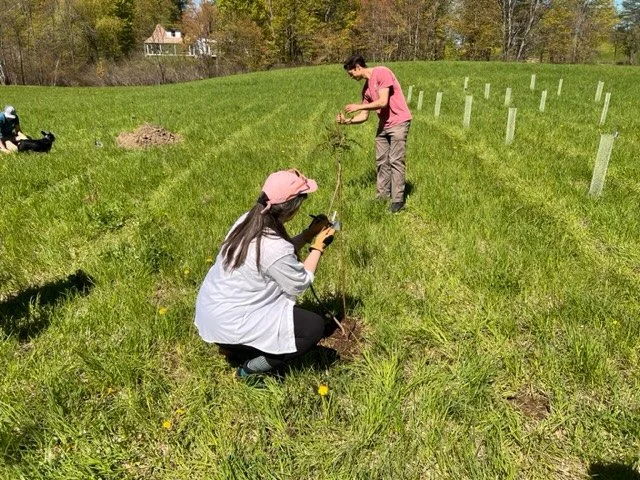
Our first intern from Antioch University in 2022 was instrumental in organizing and implementing the spring planting of over 200 native shrubs and trees. With help from our local forester, they plotted out the best and most advantageous locations on the property to plant as well as the specific species for habitat enhancement.
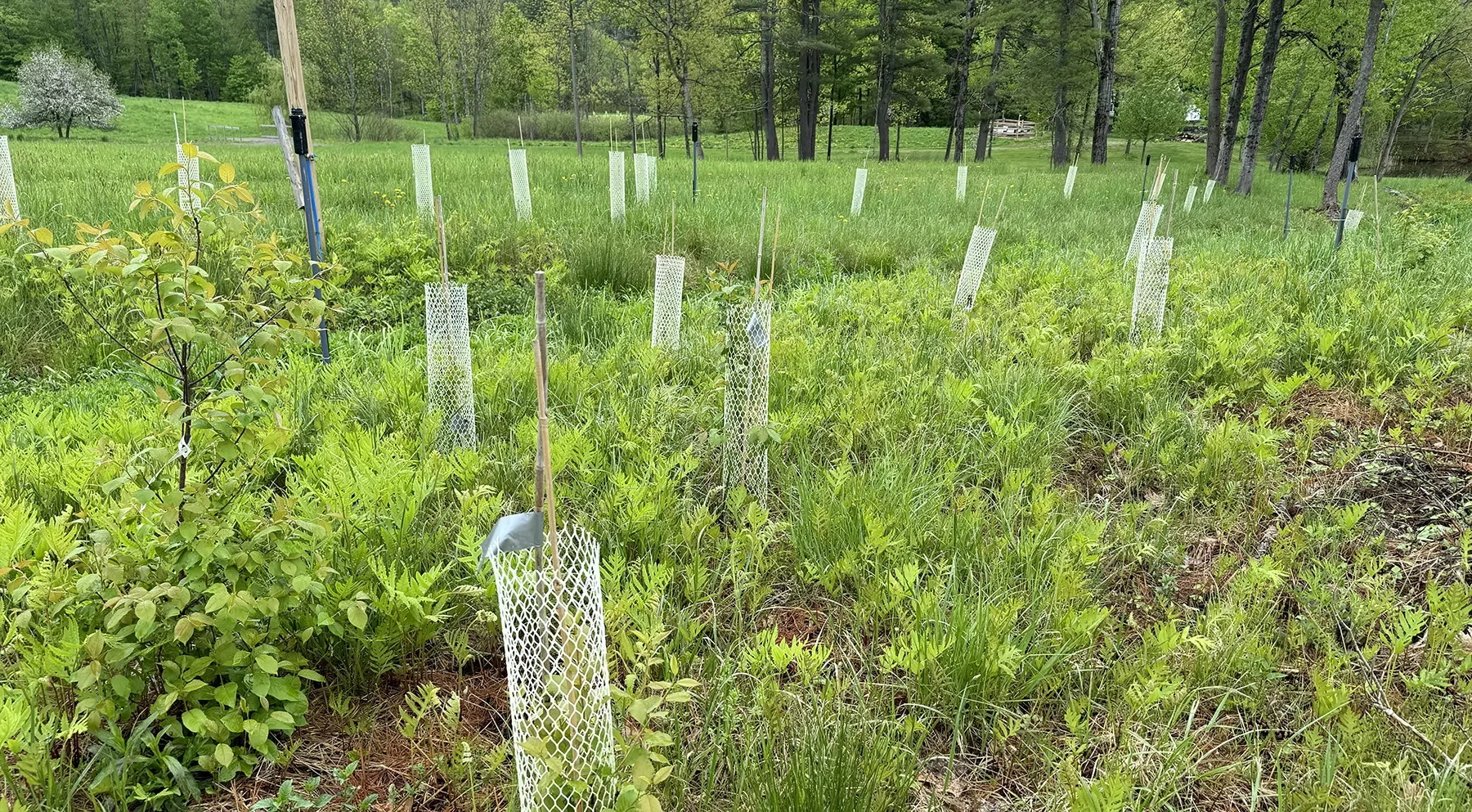
She researched native shrubs and trees, placed orders with local New England nurseries, organized the Planting Day event, and delivered the whips to Reservoir Woods prior to the planting day.
She led two bioblitzes with other Antioch graduate students, collecting data on wildlife and plant species on the property. In the office, she planned agendas for board meetings, sent out communications, organized the library and photo files collected by the trail cameras and documented ongoing projects.
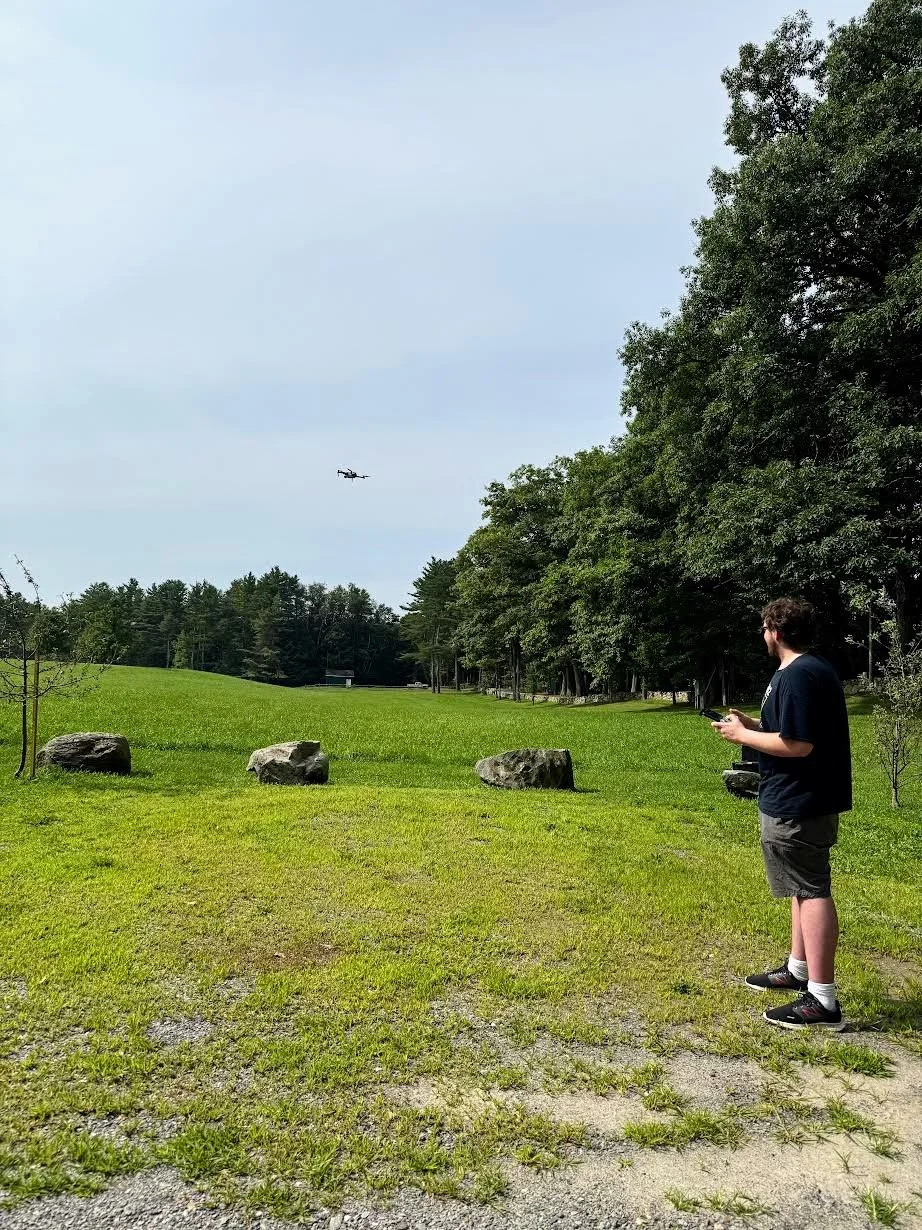
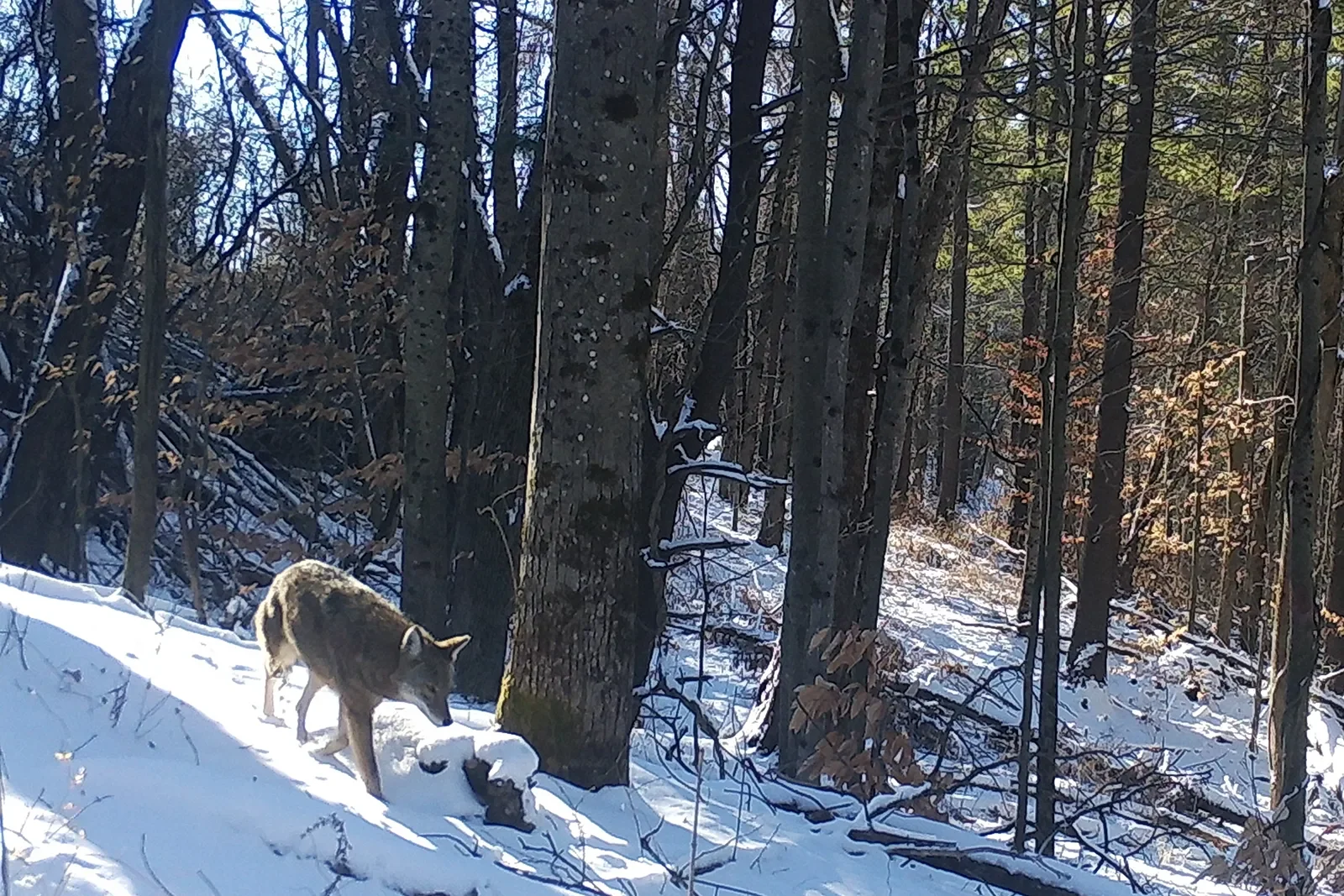
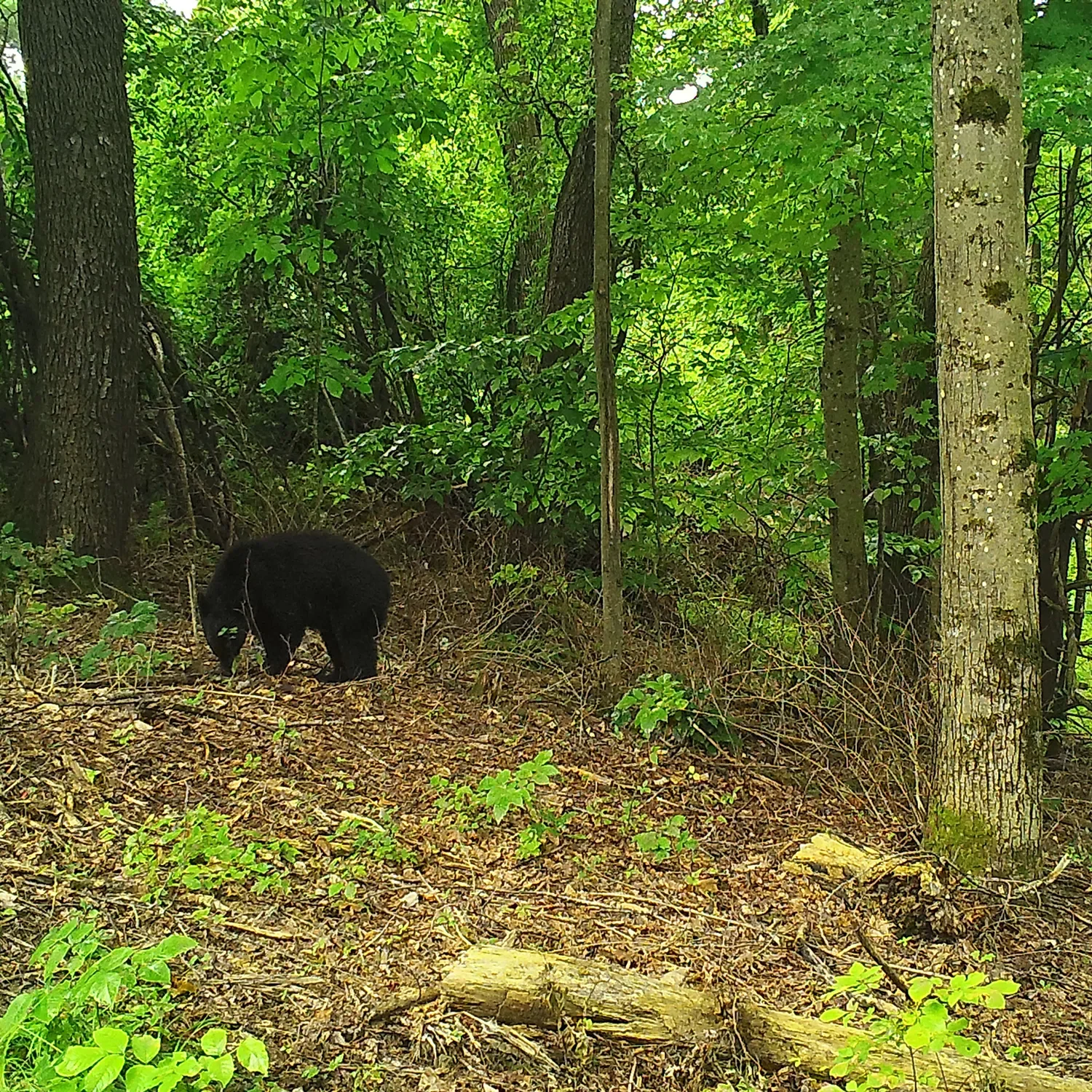
Our second Antioch intern in 2023, joined us with GIS skills and FAA drone certification. He created maps of the newly planted shrub and tree species and was responsible for creating a database to record future measurements. He maintained the running of all nine trail cameras, downloading photos, organizing them into files and creating a map of their locations.
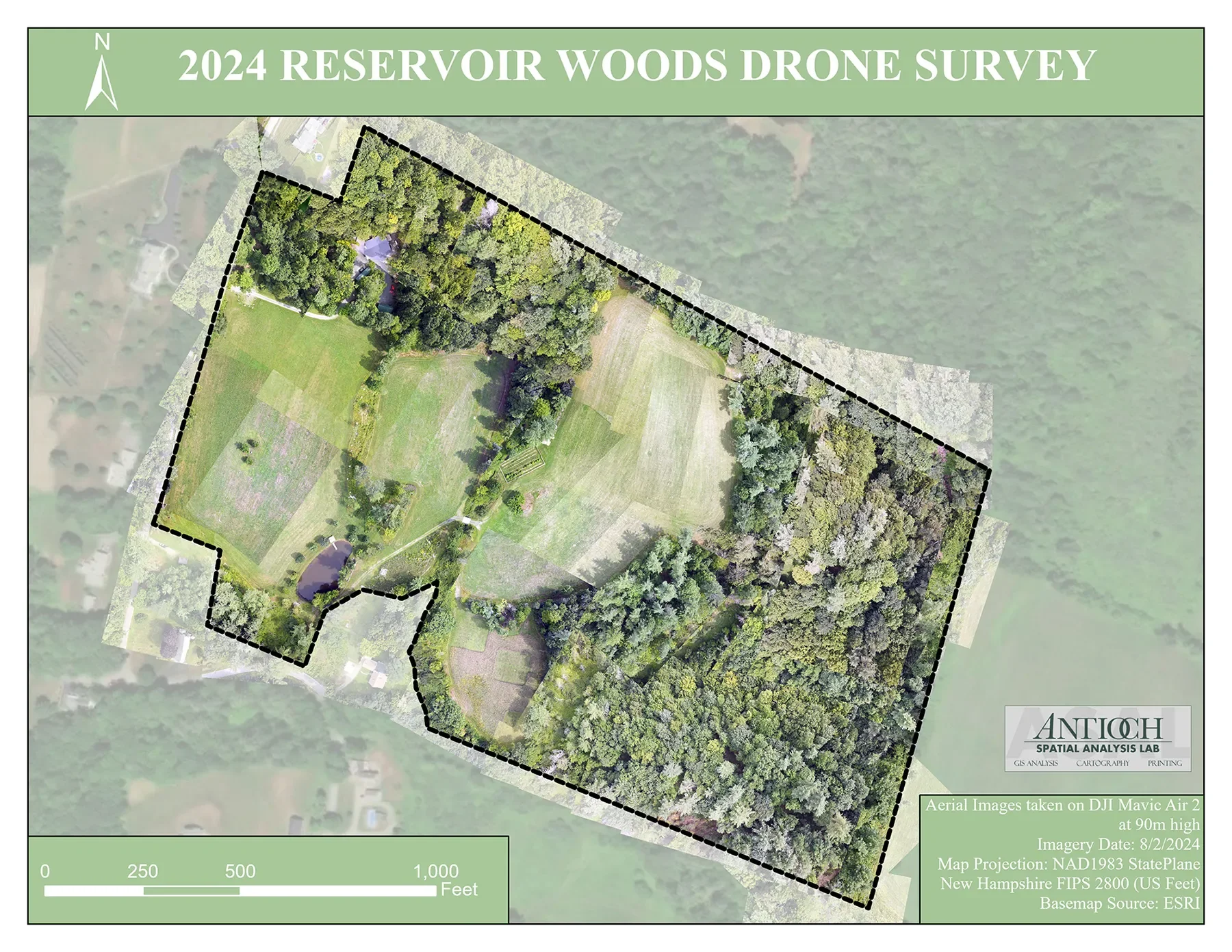
With the help of our IT crew, he helped to set up our new DELL computer. He organized files and created how-to tutorials for us.
He returned in summer of 2024 to conduct more drone work and create the trail maps that we have posted at each entry to the property.
We hired our most recent Antioch grad student in late 2024. She helped collect the second year measurements and health/survivorship data of the trees and shrubs planted in 2023.
She began the work on data entry for the hundreds of photos captured by the trail cameras over the last nine years. She worked with a fellow Antioch graduate student who recommended a software program that became an efficient method of data entry.
Conservation Research
Biodiversity
Biodiversity research helps Reservoir Woods better understand the ecological setting and its connection to local habitats within the regional ecosystem.
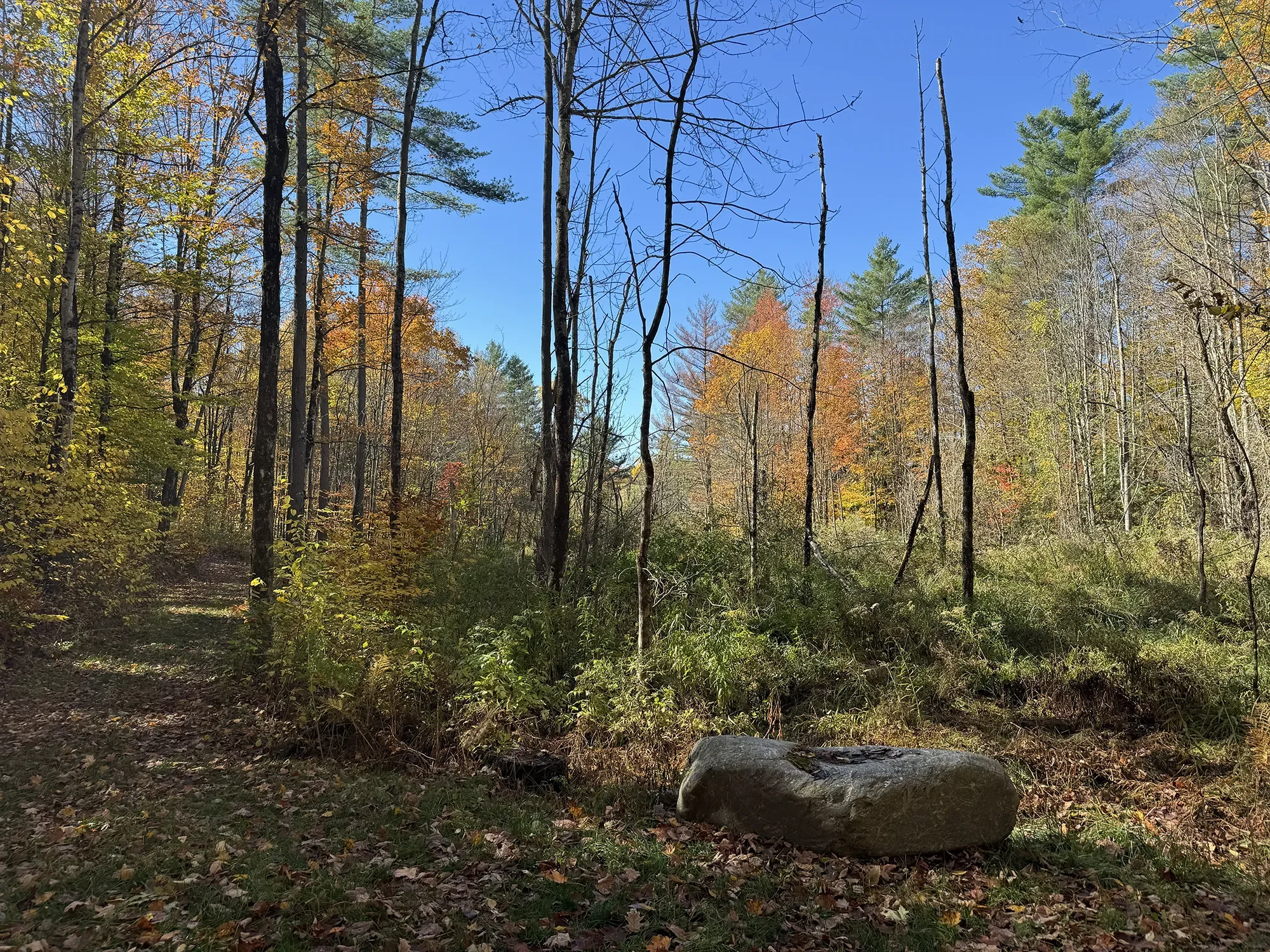
This research helps us track native and non-native species and create thoughtful management plans.
In addition, documented locations of rare and uncommon species help inform the property’s stewardship so that these populations can be protected.
Reservoir Woods Foundation has hosted 3 bioblitz events which contribute to community science projects using eBird and iNaturalist to document species observed or heard.
As of June 2025, there have been 450 species documented at Reservoir Woods.
Documented Species at Reservoir Woods
99 bird species
126 plant species
112 insect species
19 fungi and lichens species
8 amphibian species
7 arachnid species
3 mollusk species
Student Projects
A core part of Reservoir Woods’ educational ethic is providing opportunities for students to conduct research and other projects on topics related to biodiversity, ecosystem health, and sustainable land use. Reservoir Woods maintains a strong partnership with graduate programs at Antioch University, and we have been fortunate to support a growing number of students with their research pursuits. Example projects include a wildlife and forest management plan, biodiversity inventories, and breeding bird surveys.
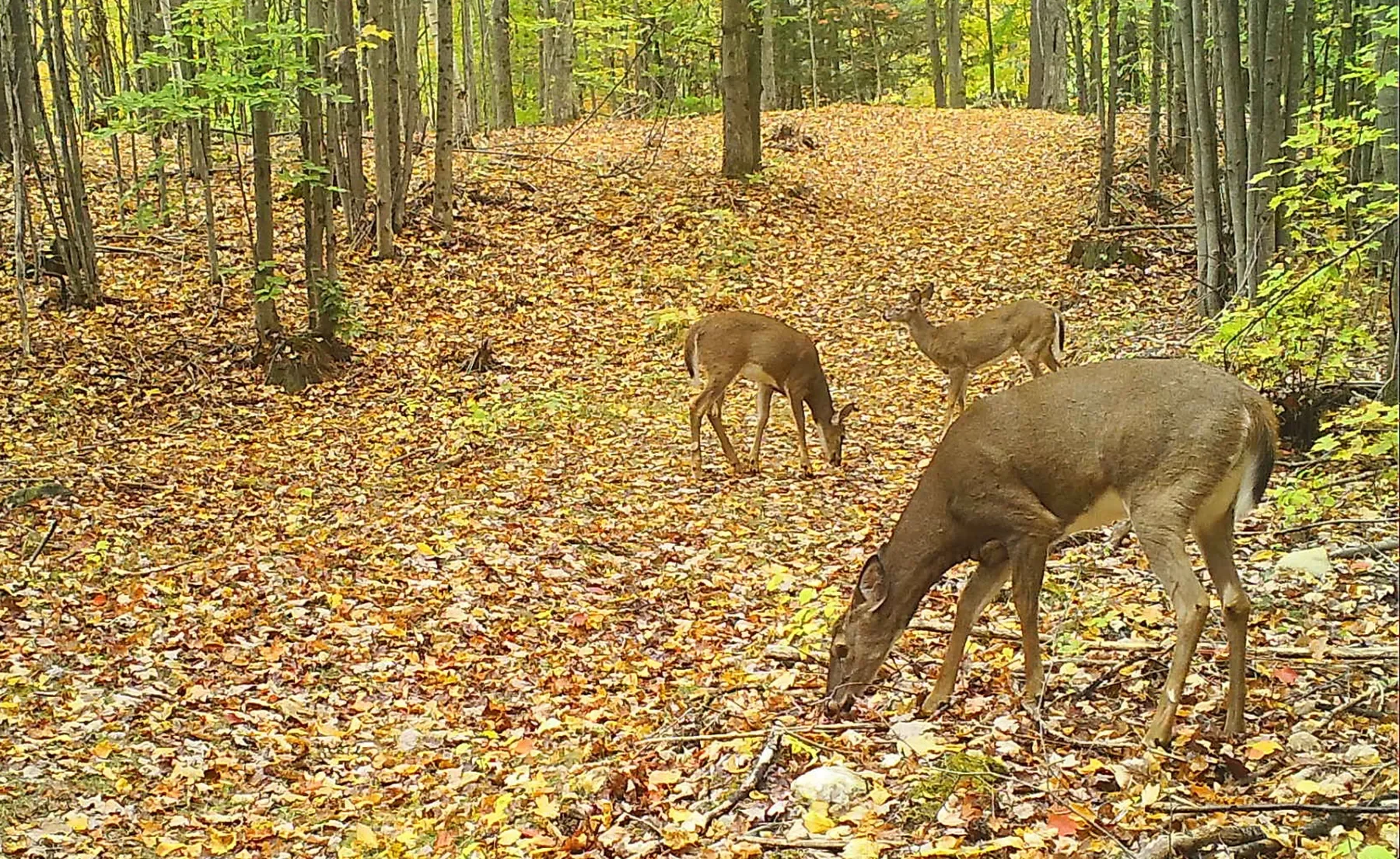
Students also contribute immensely to some of Reservoir Woods’ long-term projects. Examples of long-term projects include planning and implementing a large native shrub and tree planting; cataloging trail camera photos; creating trail maps and aerial maps of the property; monitoring trail cameras, and collecting shrub and tree data.
Breeding Bird Project
Bird surveys have been conducted by Antioch University graduate students and faculty to better track Reservoir Woods’ importance for breeding, migrating, and overwintering birds alike. In 2018, 91 bird species were observed at Reservoir Woods.
This project has since grown to catalog all bird sightings from all seasons.
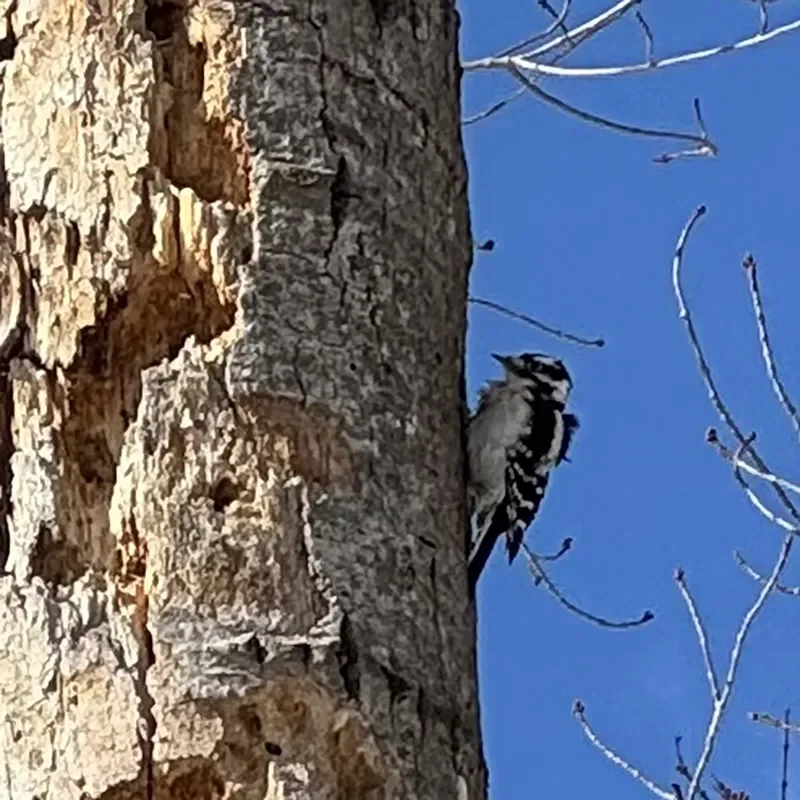

We invite visitors to share their bird observations to the Reservoir Woods hotspot on eBird. These sightings contribute to a growing database that is publicly accessible to scientists, students, educators, and conservation practitioners, including the staff at Reservoir Woods.
Outcomes from this project included hours of recorded birdsong, a map of Reservoir Woods with representative species pictured at locations where they can be detected, and a bird monitoring protocol, which is also used at Glover’s Ledge, Antioch University’s nearby field research station.
Reservoir Woods provides habitat for at least 13 of New Hampshire’s bird species of greatest conservation need, including migrating Bay-breasted and Blackpoll warblers, as well as breeding Bobolink, Ruffed Grouse, Veery, and Wood Thrush.