Stewardship
Agriculture
Reservoir Woods Foundation endeavors to implement best agricultural practices for the health of the soil that will sustain hay crops for local use.
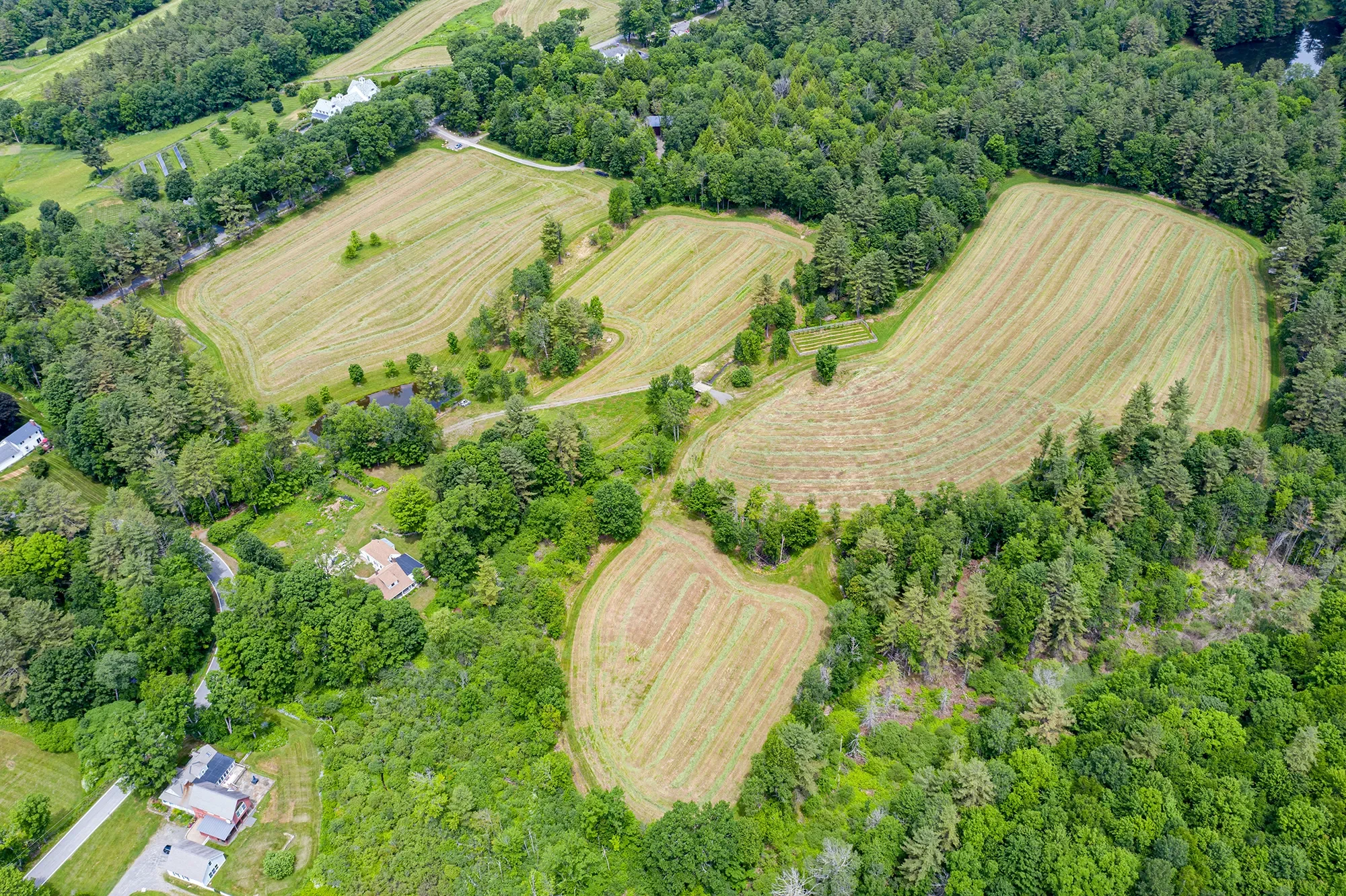
Currently 17 acres of fields at Reservoir Woods are hayed by the Britton Farm. These Walpole dairy farmers planted and harvested the fields while rotating crops from corn to hay and back to corn for years, leasing the land from the previous owners. Today the Reservoir Woods land continues to be farmed by that same family’s third generation.
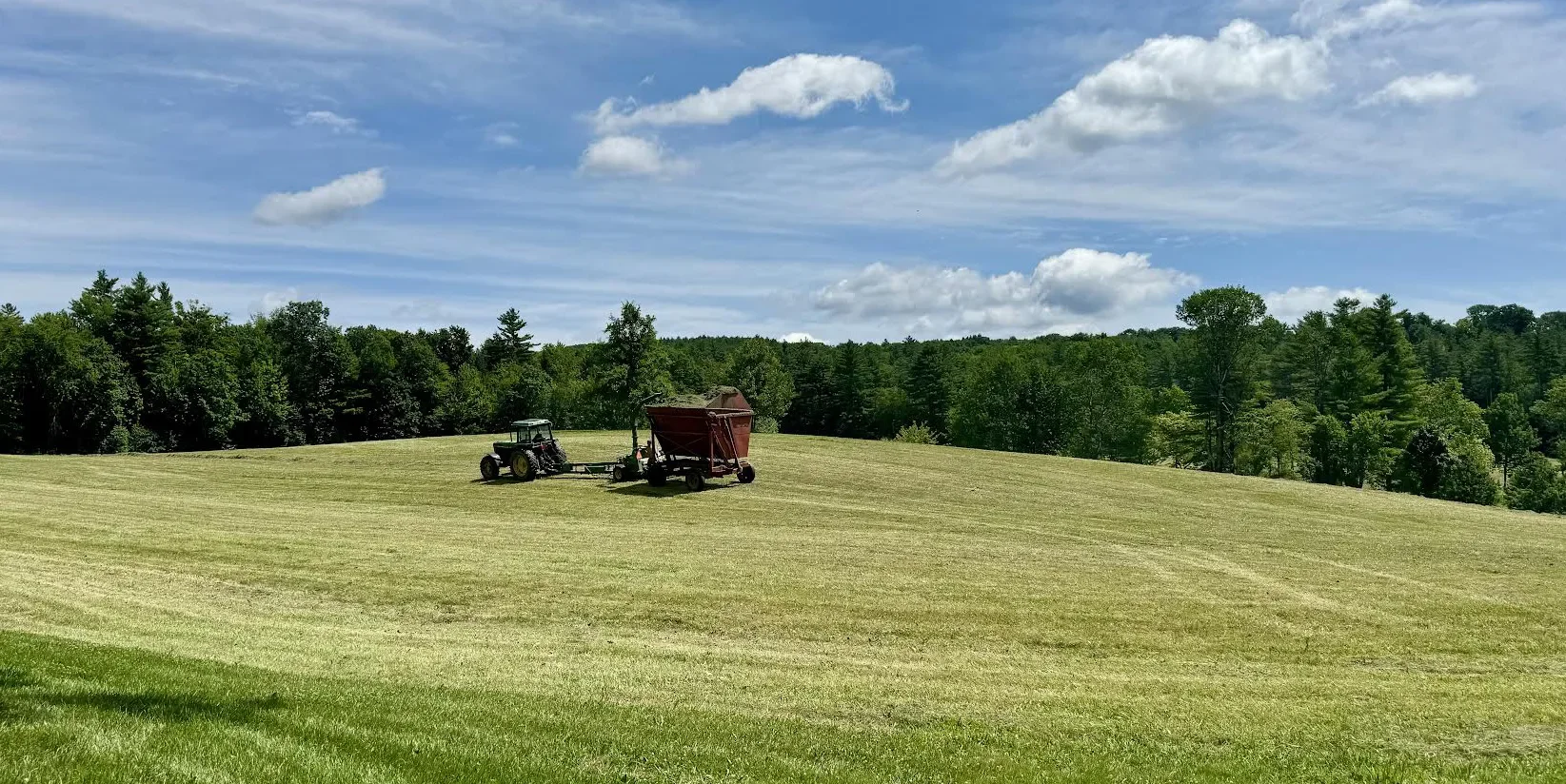
Prior to the establishment of the Reservoir Woods Foundation, with a goal to promote sustainable agricultural management practices, the landowner contracted to have a Soil Health Test Report completed by Cornell in 2017. A soil health management program was then implemented in 2019, guided by the USDA and Natural Resources Conservation Services in contract with the Britton Farm. This practice includes cover cropping, no-till farming, crop rotation and nutrient management. Lime was applied in the fall after the corn harvest followed by the planting of a cover crop. A 12 foot no-till drill was rented from Cheshire County Conservation District to be used in planting the grass custom seed blend. The plan was to permanently convert the acreage in corn to hay incrementally over the 3 year period which was completed in 2021.
The soil continues to be tested every other year by a local certified crop consultant, Tom Beaudry, who advises the Britton Farm on meeting their desired production goals.
Reservoir Woods uses no till seeding which decreases surface hardness and increases active carbon levels. No till helps to retain nutrients and improve water infiltration and retention. No till helps to increase microbial activity, improve nitrogen which facilitates root growth and reduce atmospheric carbon dioxide emissions.
Forest Management
Prior to the establishment of the Reservoir Woods Foundation, several practices were implemented with the goal in mind to support the use of best forest practices in order to enhance forest health and wildlife habitat.
One of the first steps was completing the Comprehensive Assessment of Soil Health of the property in 2017. This document provided vital information for promoting and managing soils that support sustainable and resilient forests.
The next step was the completion of the Wildlife and Forest Management Plan prepared by Brianne Fagan and Steven Lamonde from Antioch University in Keene, NH in January of 2018. This report was the first guidebook describing and recommending management prescriptions for all aspects of the 56 acres. This included water, wildlife habitat, timber and recreation resources.
In 2021, Geoff Jones, a local licensed forester, was contracted to create a new Forest Management Plan which was completed in early 2022. This detailed report is an in-depth analysis with goals and objectives for careful stewardship of the 29+ acres of forested land. This report includes a brief history of projects completed in the initial 5 years (2015-2020), descriptions and stewardship actions for each of the forest stands, management tips for song bird habitat and preparations for climate change.
The Foundation’s goals are to manage old-growth characteristics in specific locations and increase biodiversity across the property. We plan to encourage northern forest species such as sugar and red maple, bitternut hickory, black birch and black cherry which Reservoir Woods soils will support. The Reservoir Woods forested land is dominated by white pine but also contains oak and hickory which are all supported by Cardigan-Kearsarge soils. Also present are hemlock and northern hardwoods of sugar maple, beech, white ash, black birch which are supported by Dutchess Loam and Bernardston Loam soil types.
In 2023, the Foundation implemented a multi-year Timber Stand Improvement (TSI) plan to thin out the white pine and allow for a new age of forest growth. These small strategic cuts opened up the canopy to allow new genetic material to take root, enhancing the wildlife habitat, providing new growth for food and shelter resources.
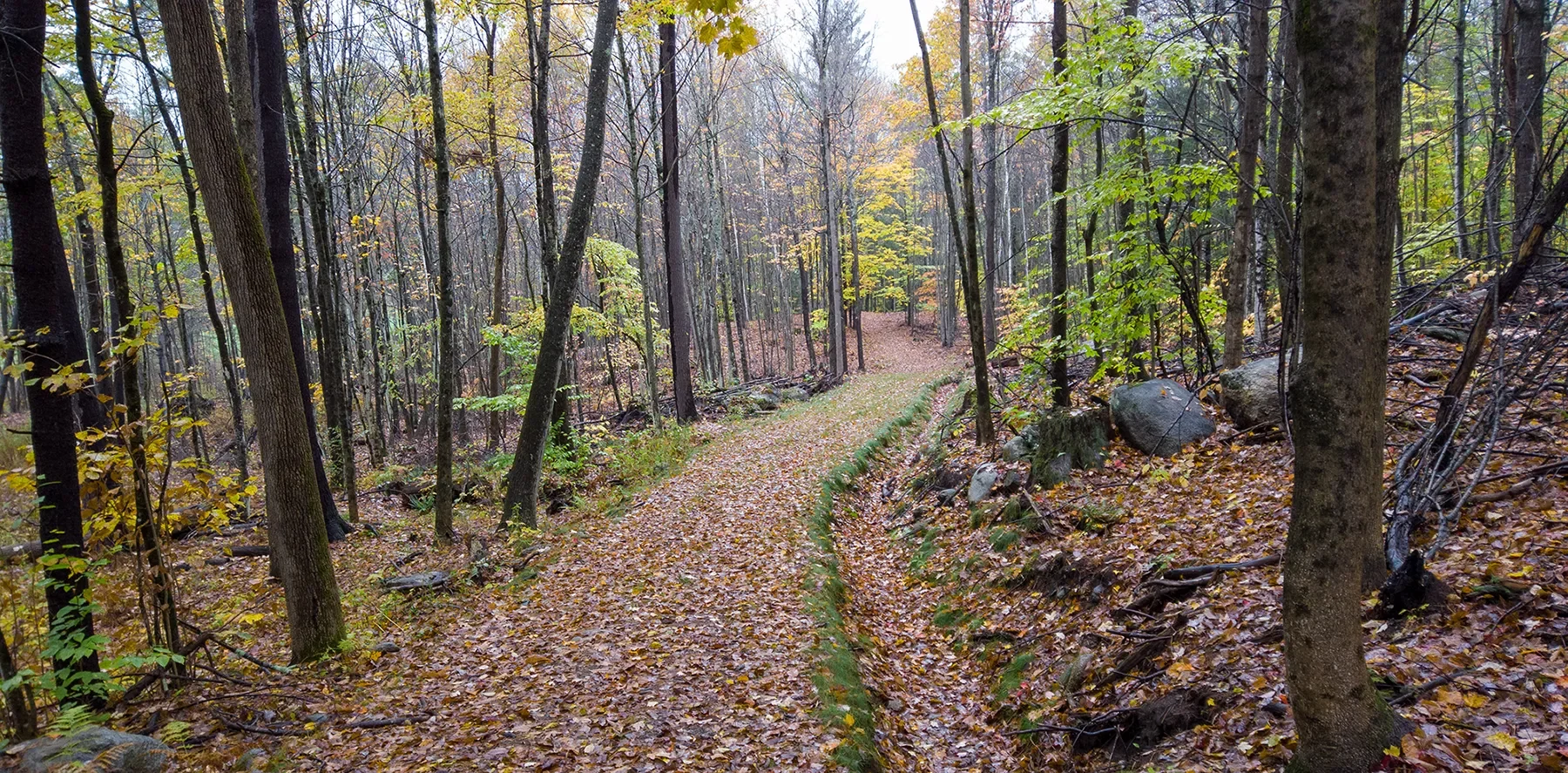
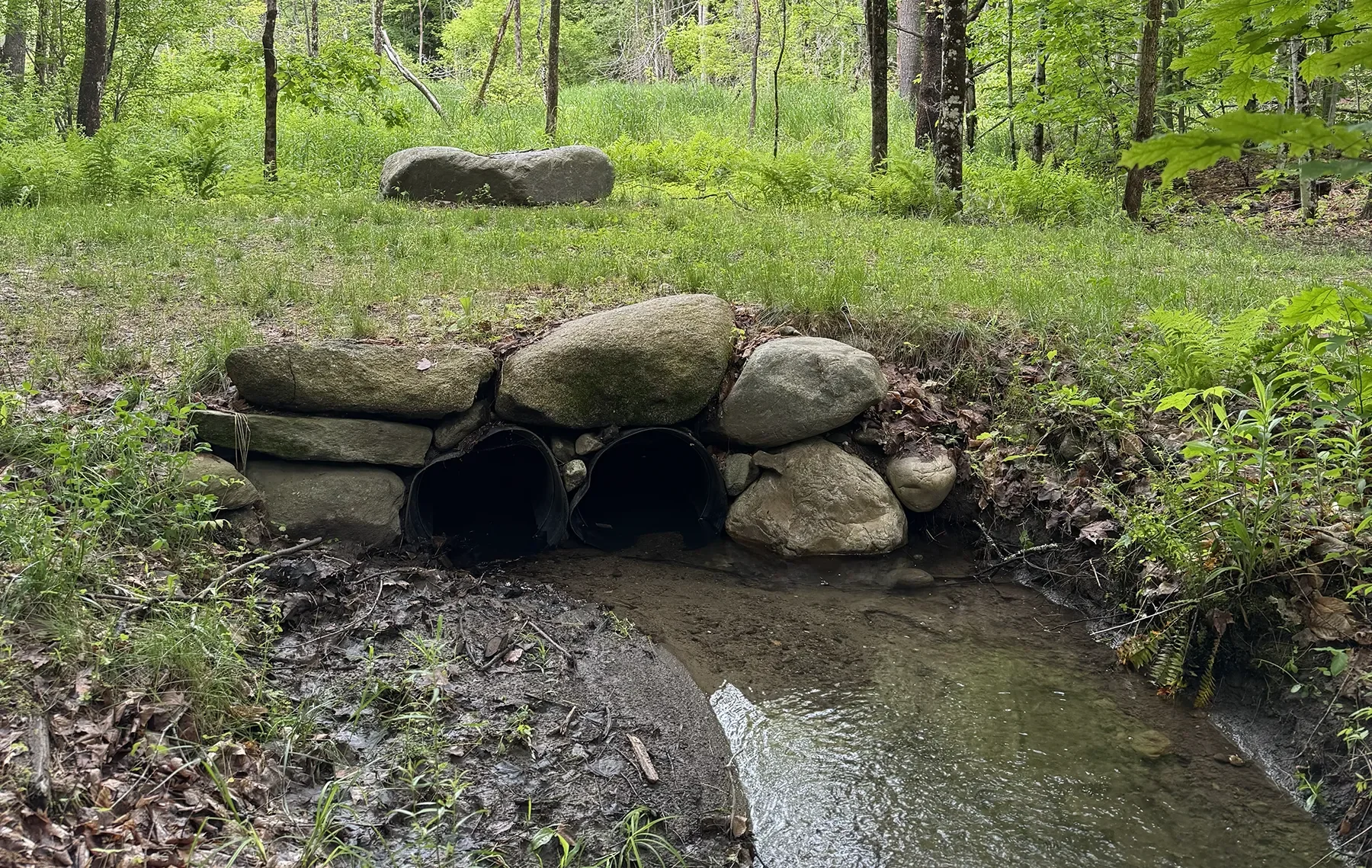
In preparation for the TSI work, existing skid roads were improved, an old culvert was reused in a streambed and a larger gate was installed to accommodate logging trucks.
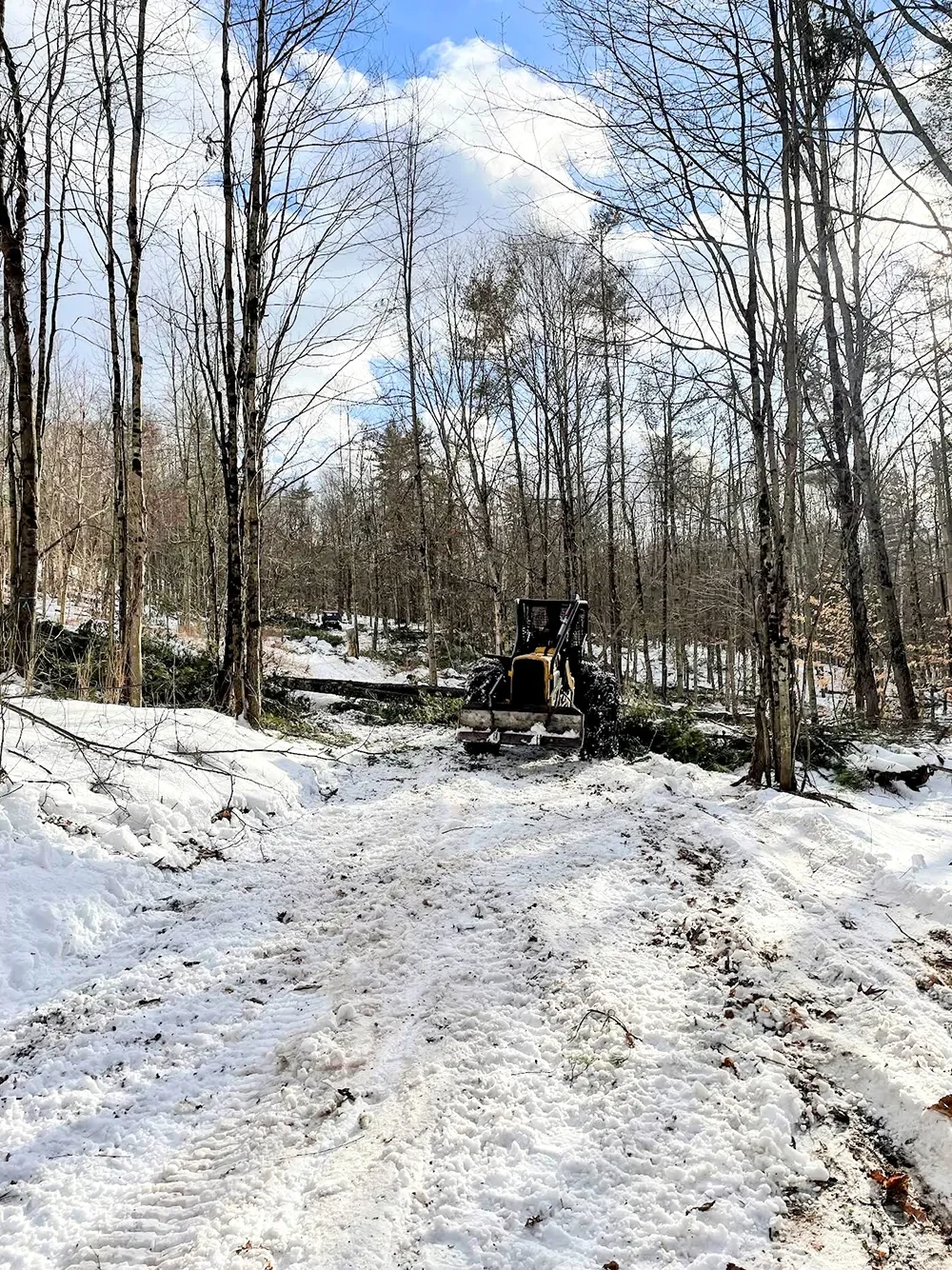
In the winter of 2023, following the prescribed silviculture treatment, we used small versatile equipment with highly skilled woodsman to conduct surgical like felling and removal of trees. Trees considered for removal depended on their size, species, crown position, and neighboring trees that might benefit or be harmed by their removal. Trees were felled following single tree removal guidelines or in small group removals.
The TSI was done following best forest management practices to protect the water quality of the streams by preventing soil erosion helping to maintain a healthy forest. Each culvert was assessed afterwards and cleaned out, allowing rainwater to drain optimally.
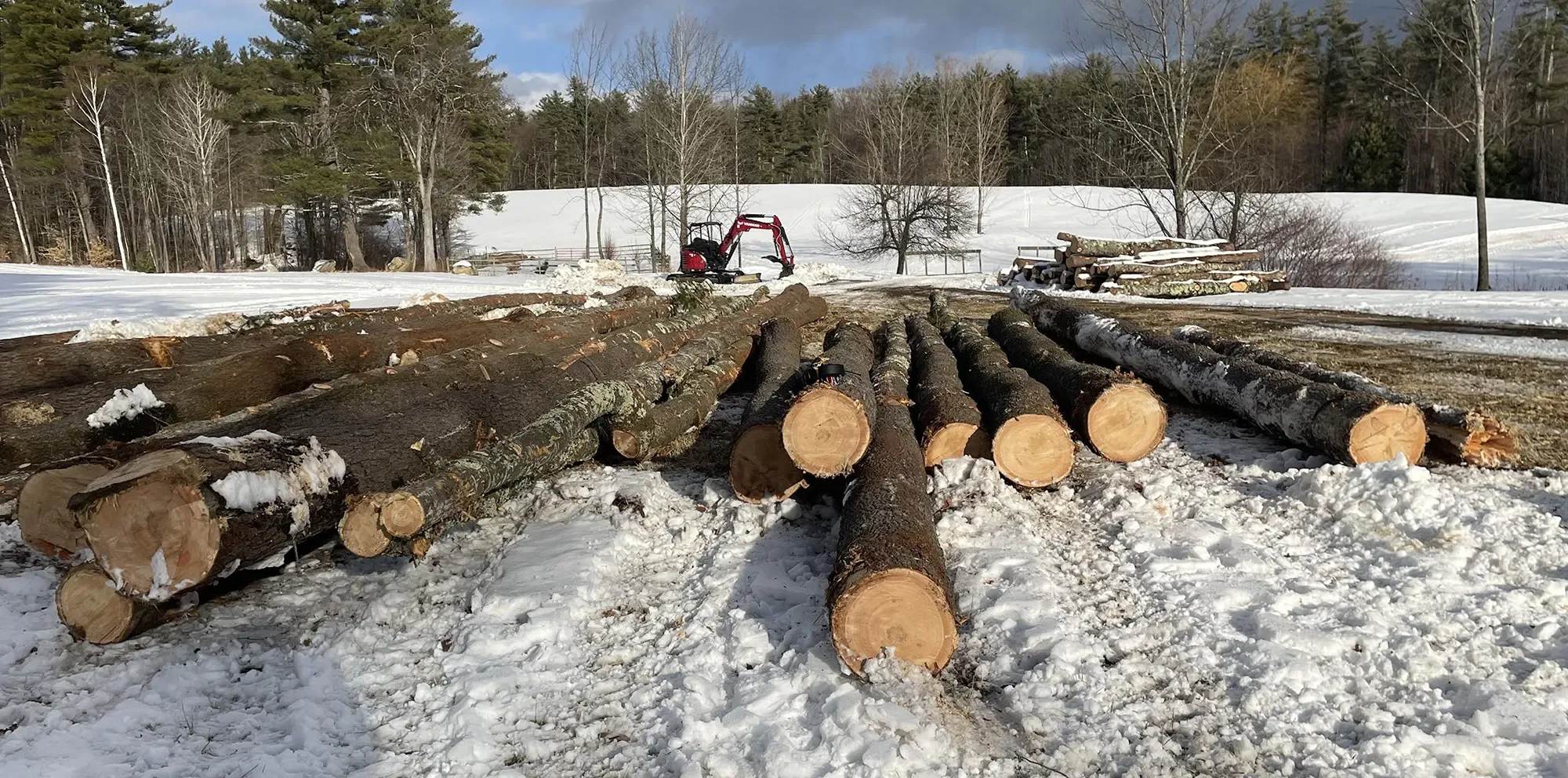
Our knowledgeable crew harvested white pine, ash, maple and black cherry. The volume board feet harvested was 37,860 from 4.5 acres. Coarse woody debris was left on the forest floor which provides nutrients to plants, habitat for insects and food and shelter for birds and mammals as well as drumming logs for Ruffed Grouse. Standing snags were left for small and large species that require cavity nests.
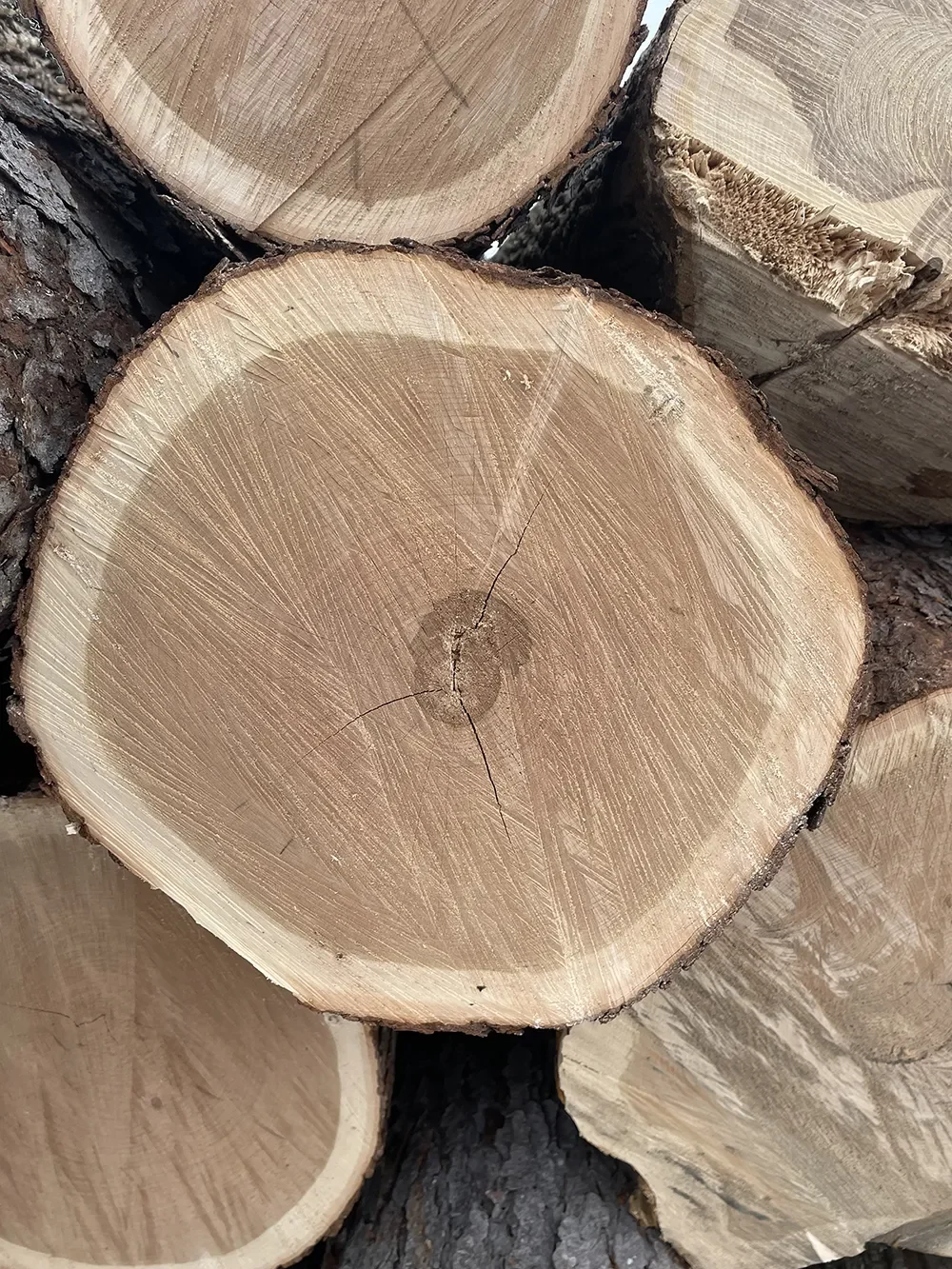
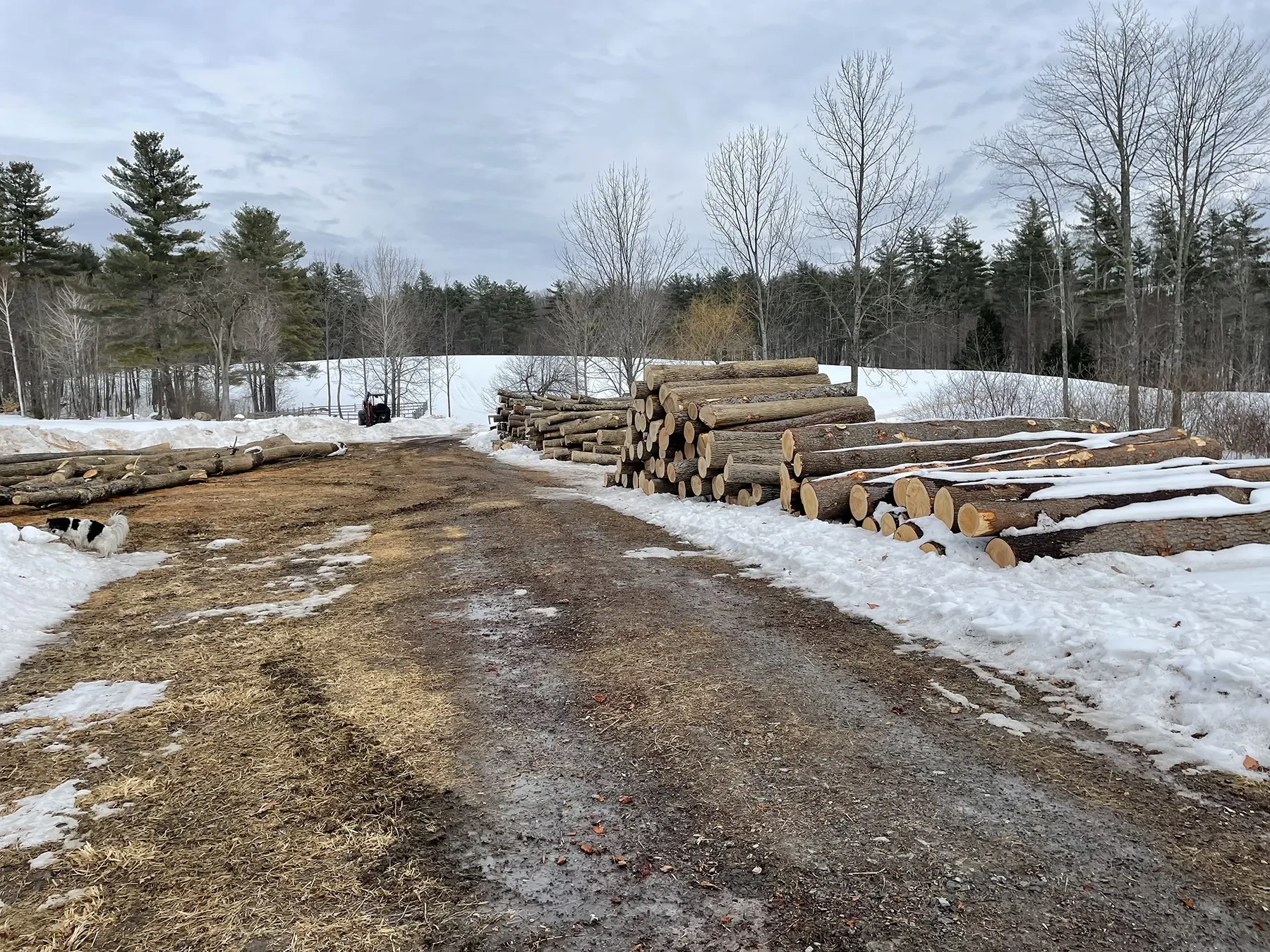
Work was done in late 2023 in preparation for the next TSI in 2024. Unfortunately, a warmer winter did not provide the right conditions and we postponed it to 2025.
Late December 2024 and early 2025 provided the right conditions with very cold temperatures and little snow for the second phase of our TSI.
In February, we were able to begin a short ten-day operation ahead of a series of snowstorms. Our Forest Management Plan provided the guidelines for the TSI, including cutting trees within two feet of the ground or less, avoiding hauling and yarding when soil is too soft, cutting trees in a manner to prevent or minimize injury to unmarked trees, and leaving snags for wildlife when they are not a safety hazard. This also included returning existing roads and trails to equal or better condition prior to the start of the operation, removing all logging debris from the landing area, removing brook crossings and installing water bars when needed.
The crew again harvested mainly white pine, some ash, maple and black cherry. The volume board feet harvested was 9,166 from 4 acres. Coarse woody debris was left on the forest floor while culverts and trail roads were cleared in mid spring.
With this being our last TSI for the next ten years, some of the skid roads will be closed to regenerate the forest for wildlife habitat and corridors.
Wildlife & Trail Cameras
Reservoir Woods Foundation is committed to protecting and conserving the 56 acres which is part of a wildlife corridor connecting other parcels of conserved and protected lands in the Monadnock region and Connecticut River Valley. To identify the species that inhabit Reservoir Woods, citizen science bioblitz events have been led by board members as well as Antioch University students and faculty. Using iNaturalist, observations of species have been recorded that will aid in monitoring the natural populations of plants, insects, bird and animal life of Reservoir Woods. From shelf fungi to red oaks, to monarchs and crayfish, native and introduced species, this data helps us learn about the world around us and consider responsible options and actions we might take in protecting and stewarding them.
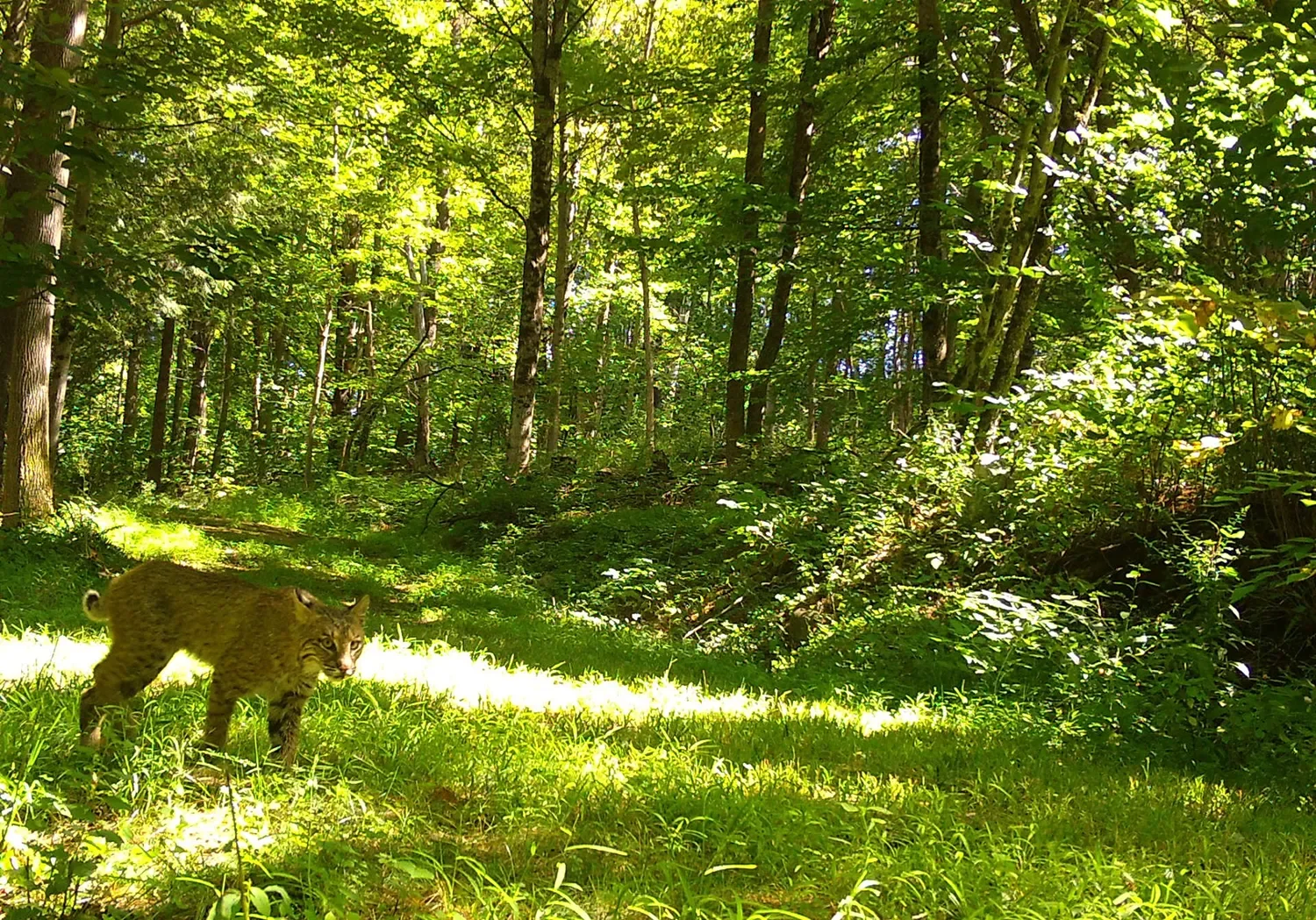
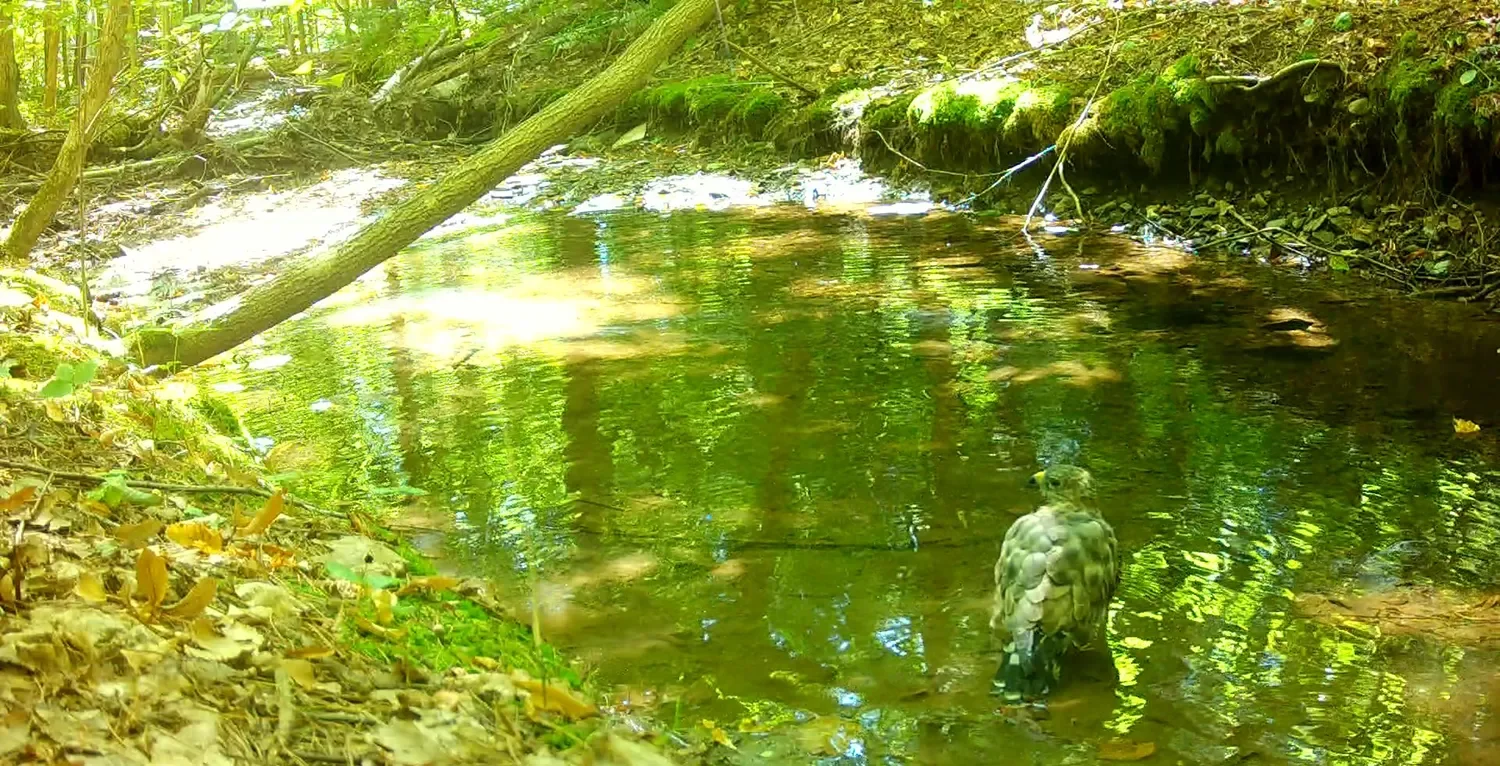
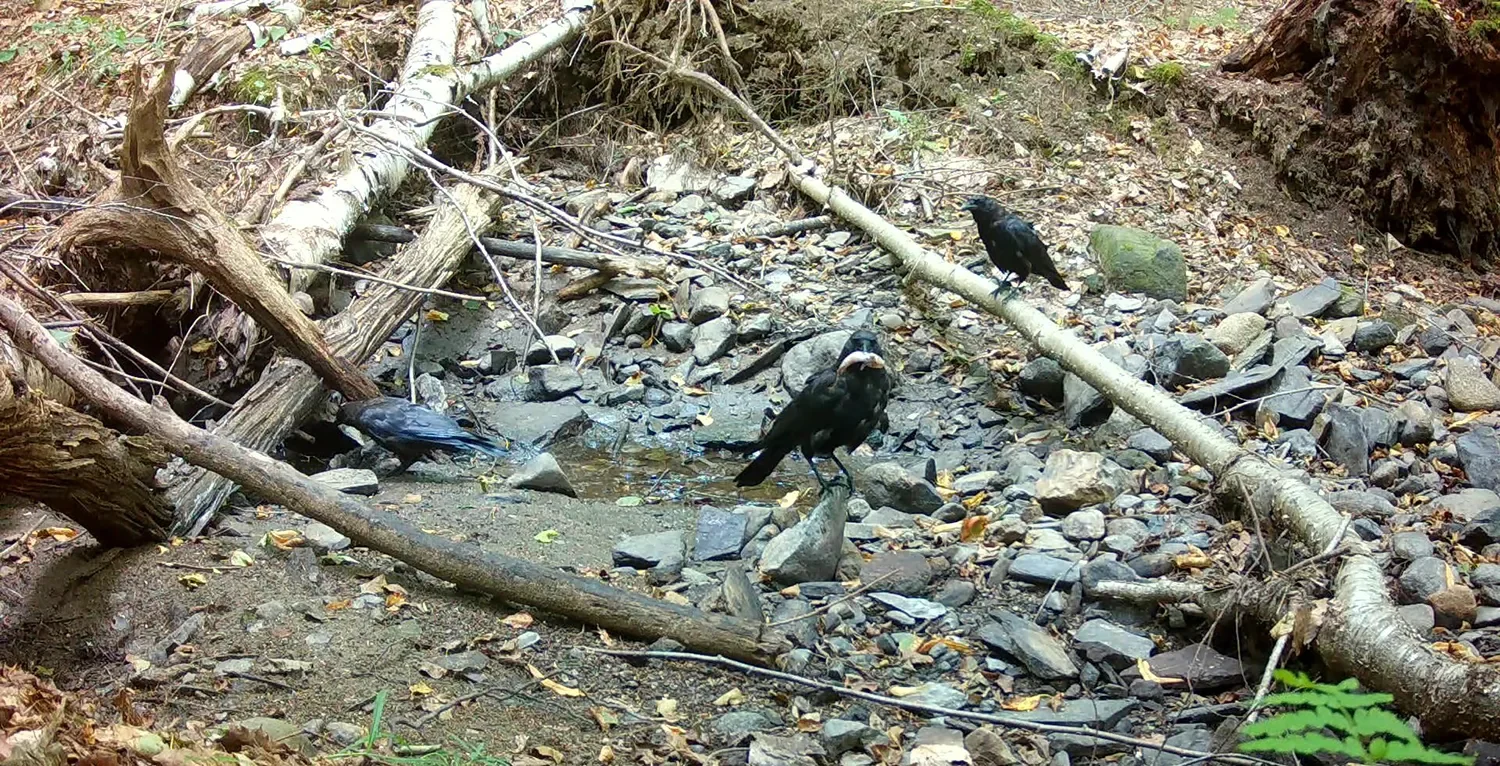
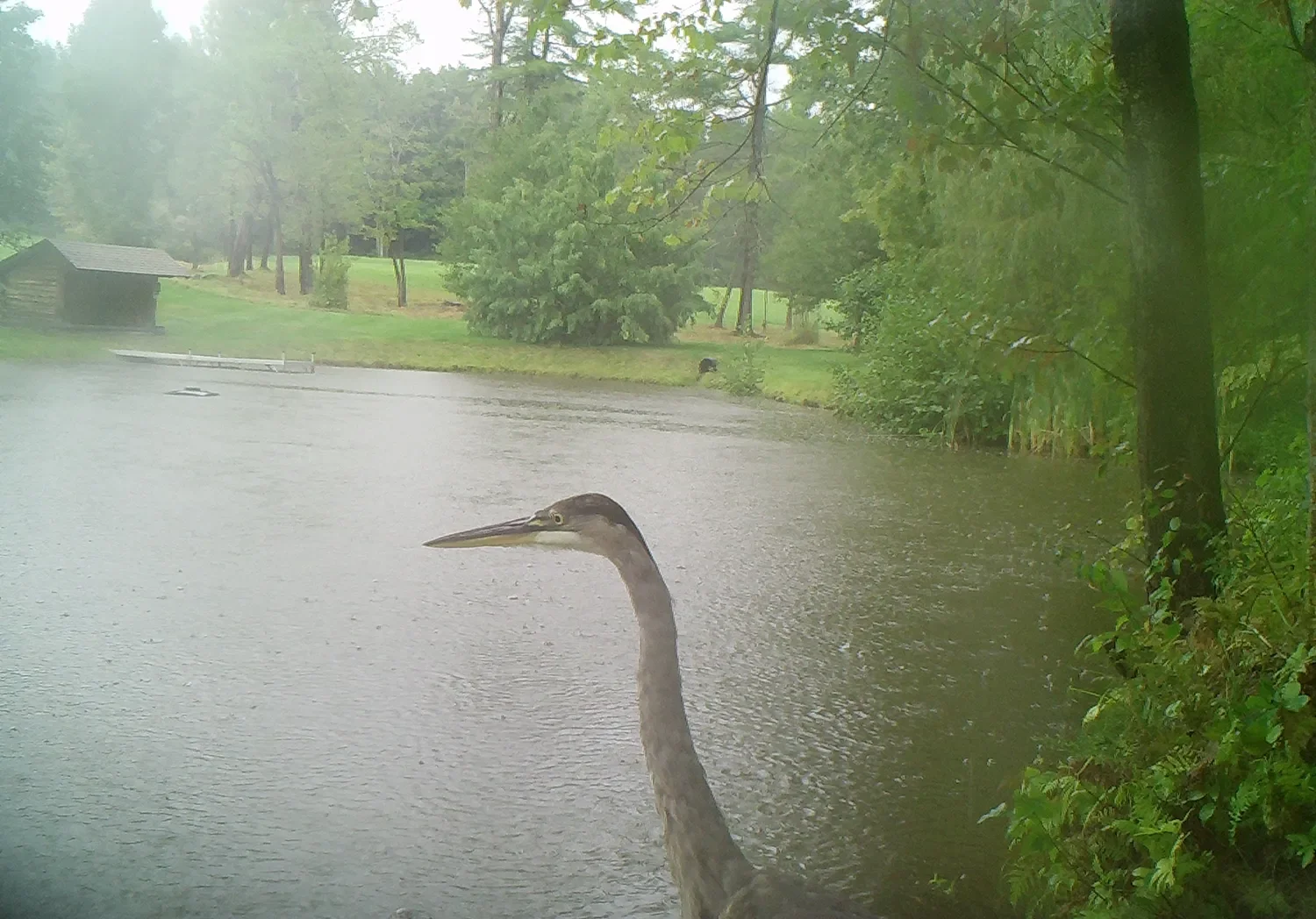
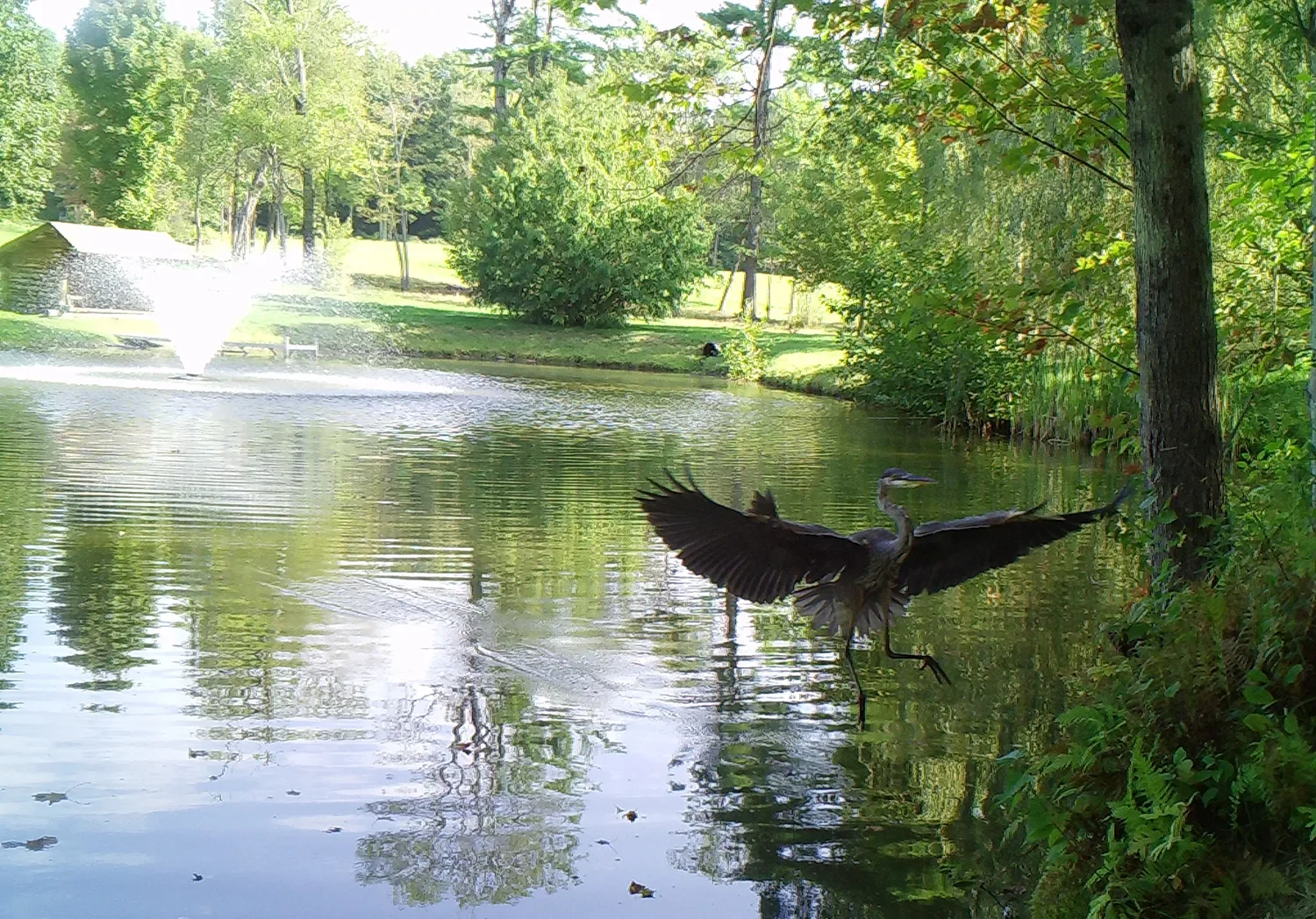
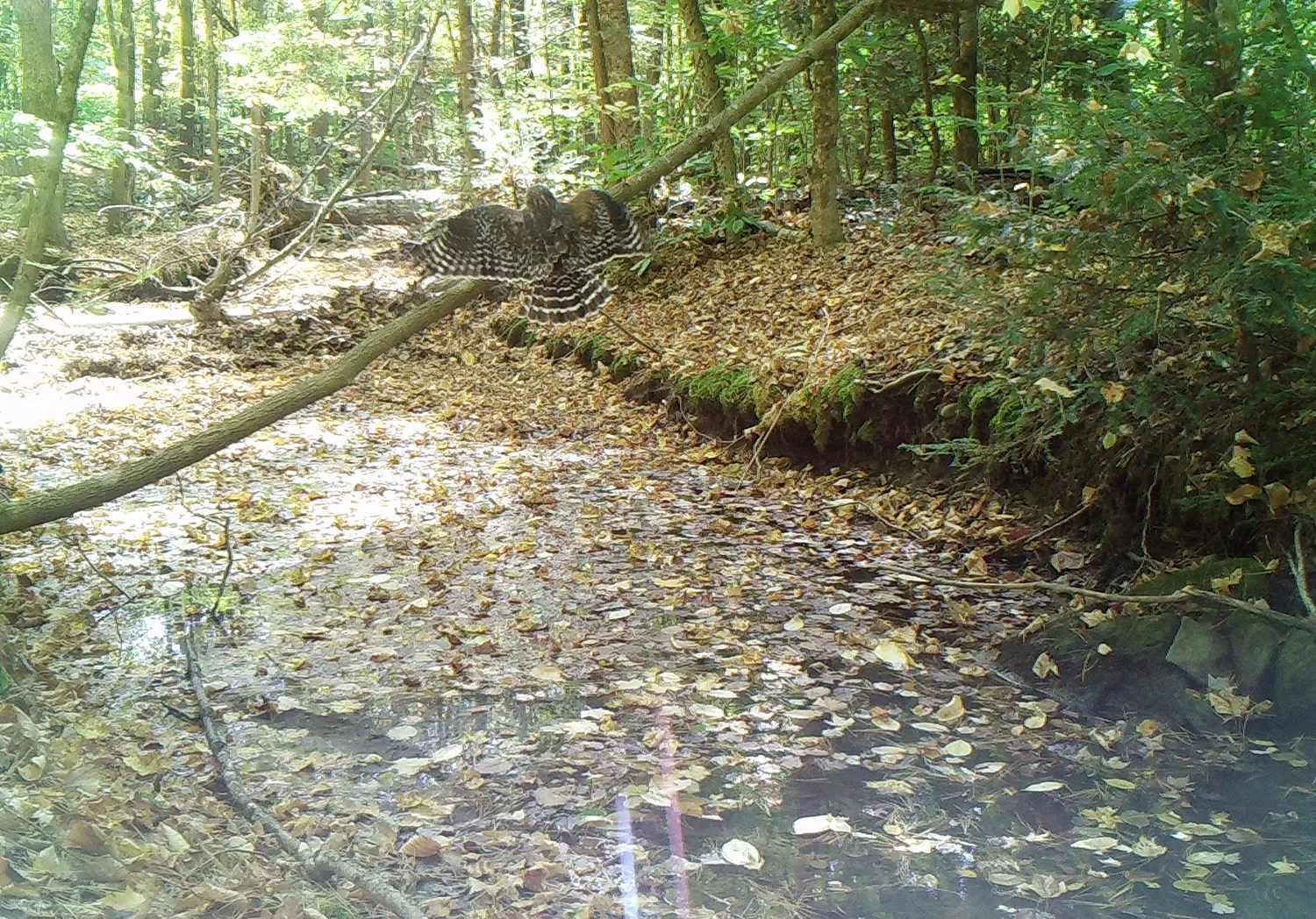
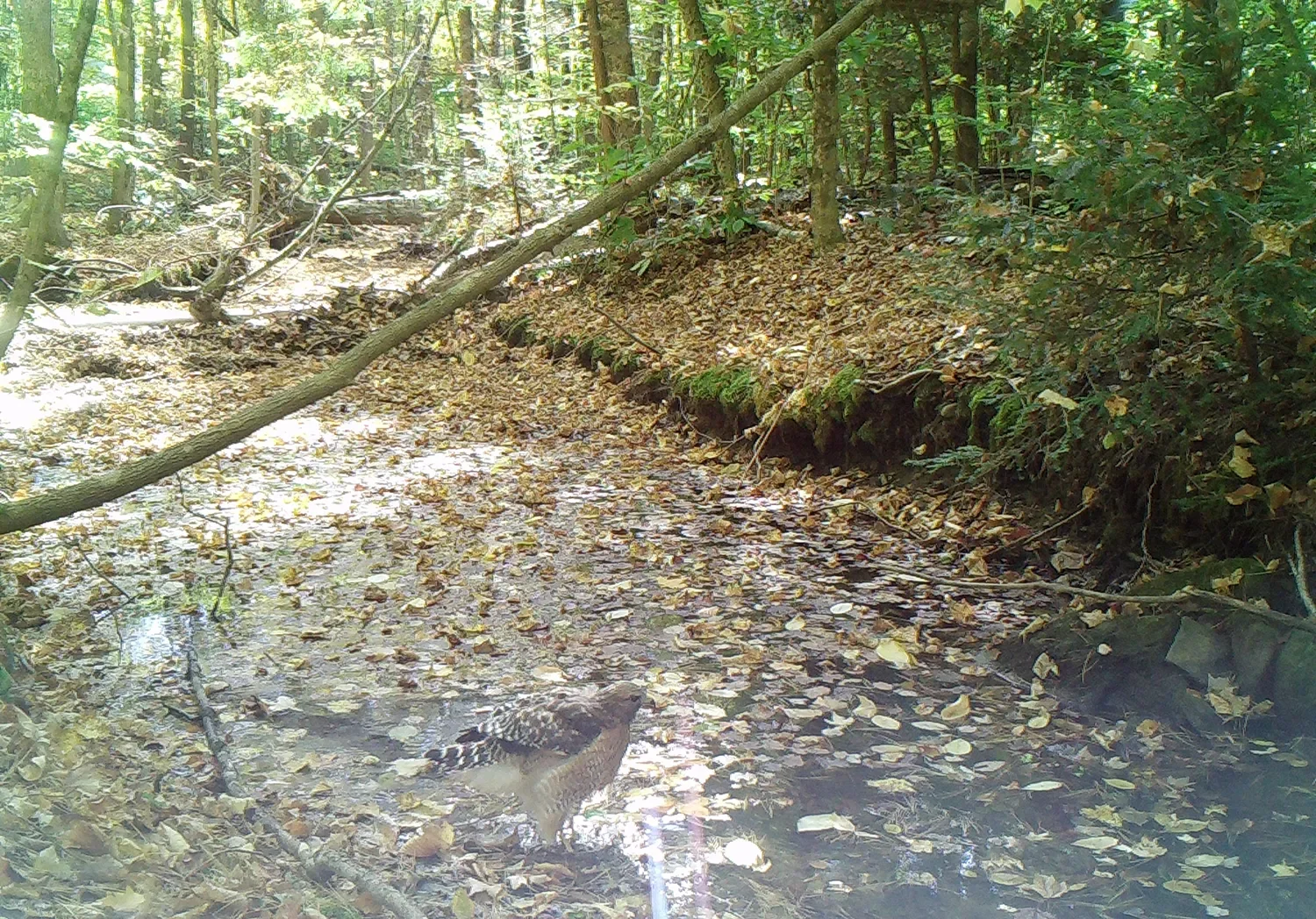
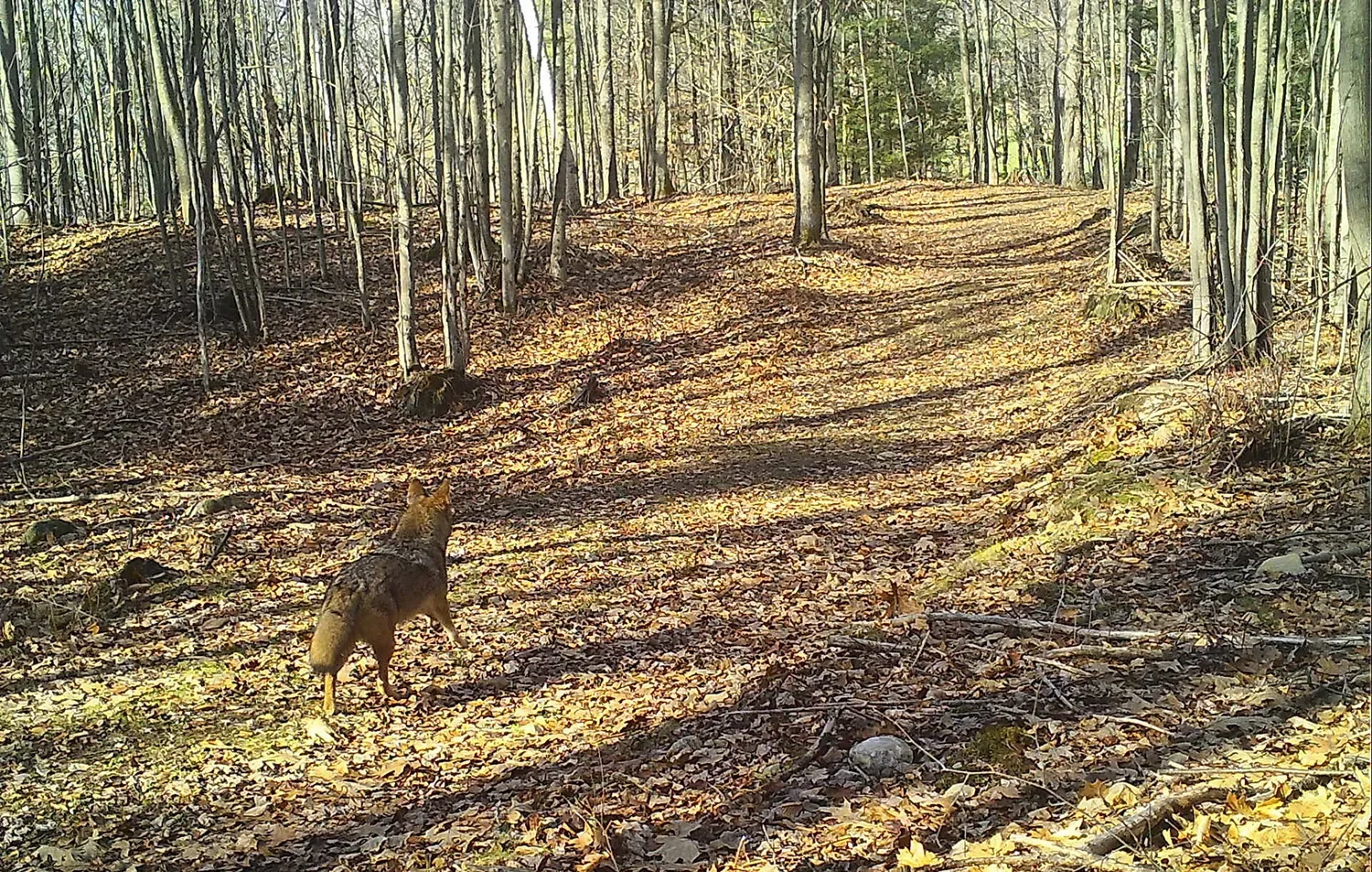

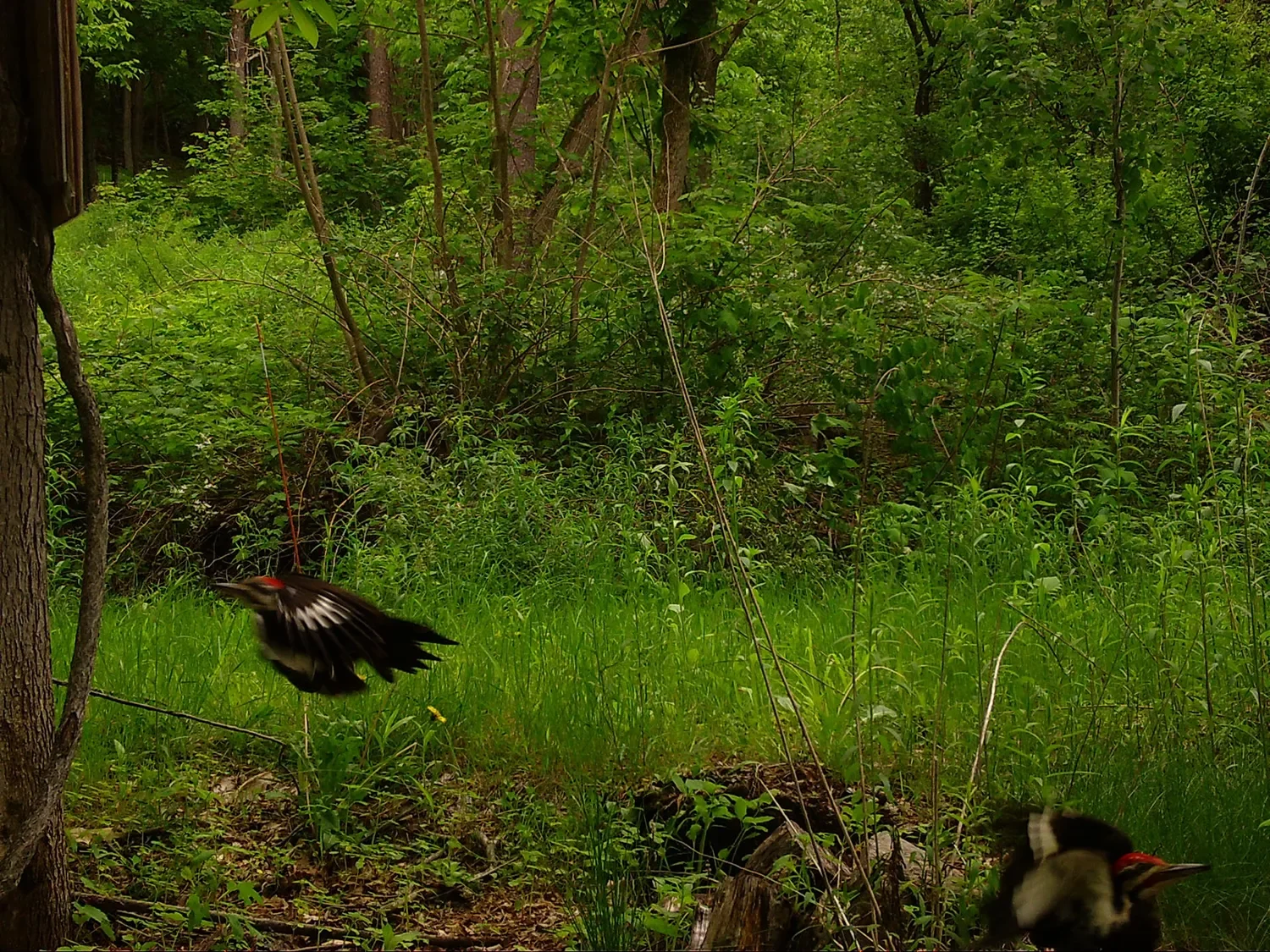
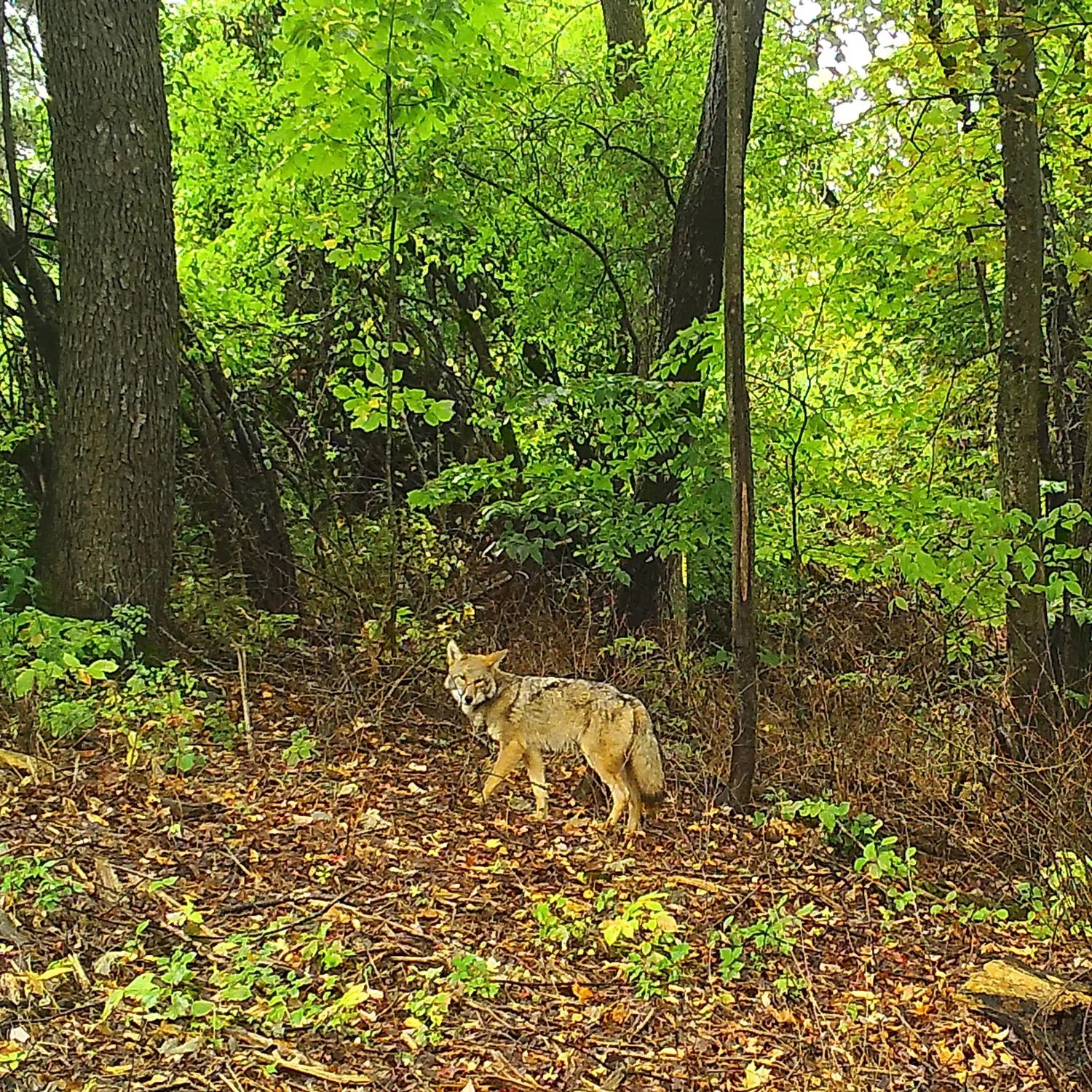
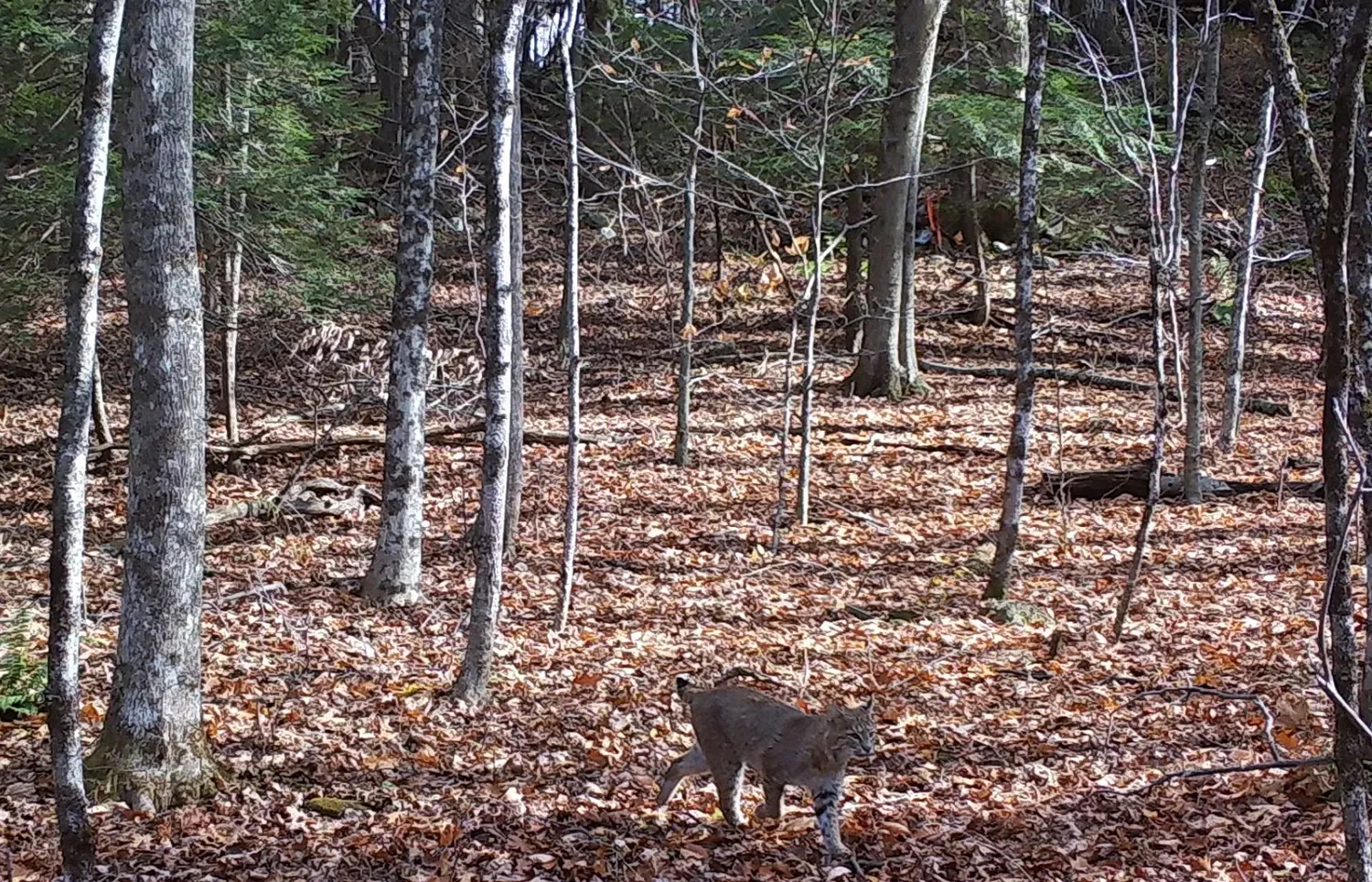
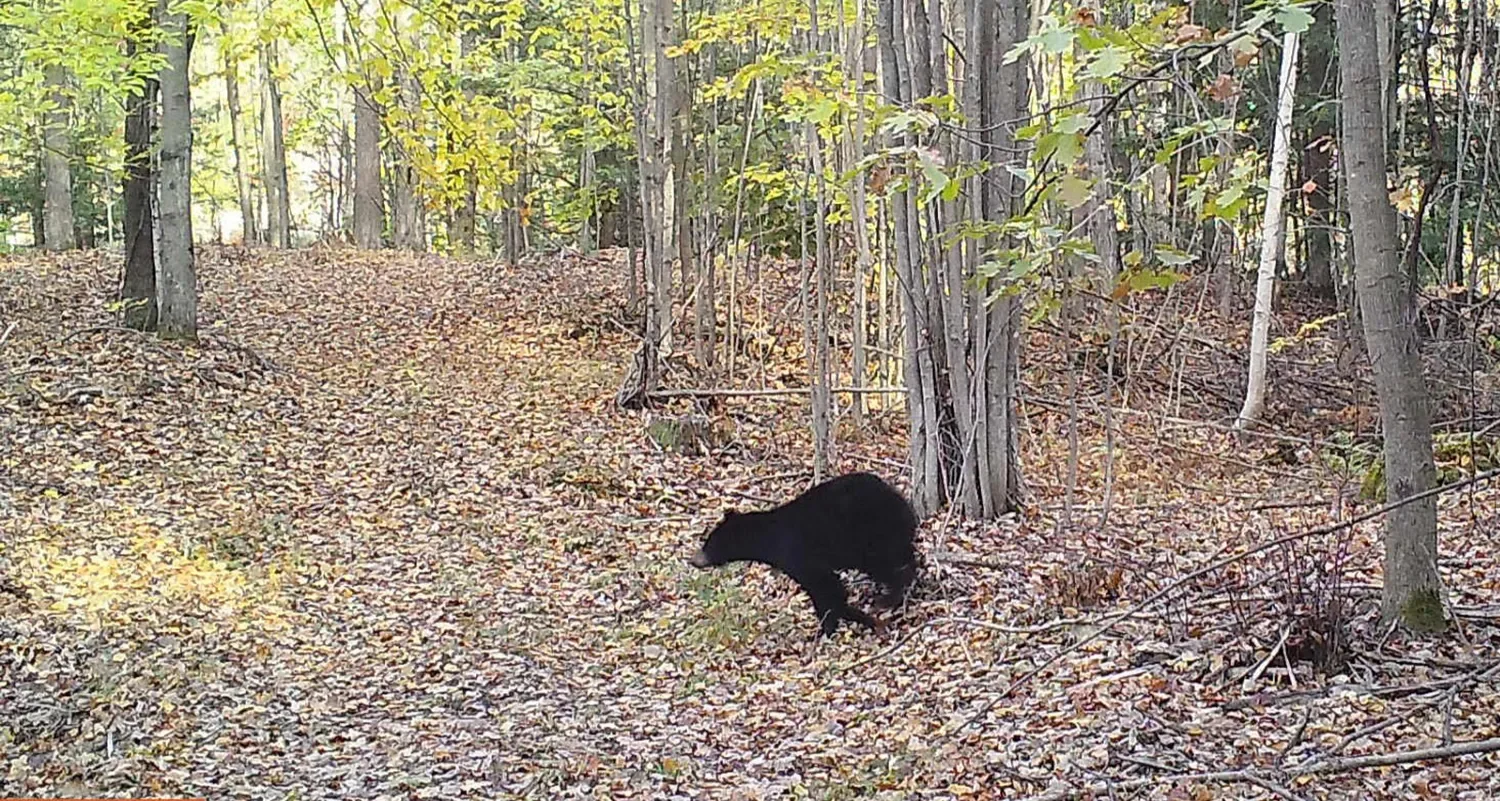
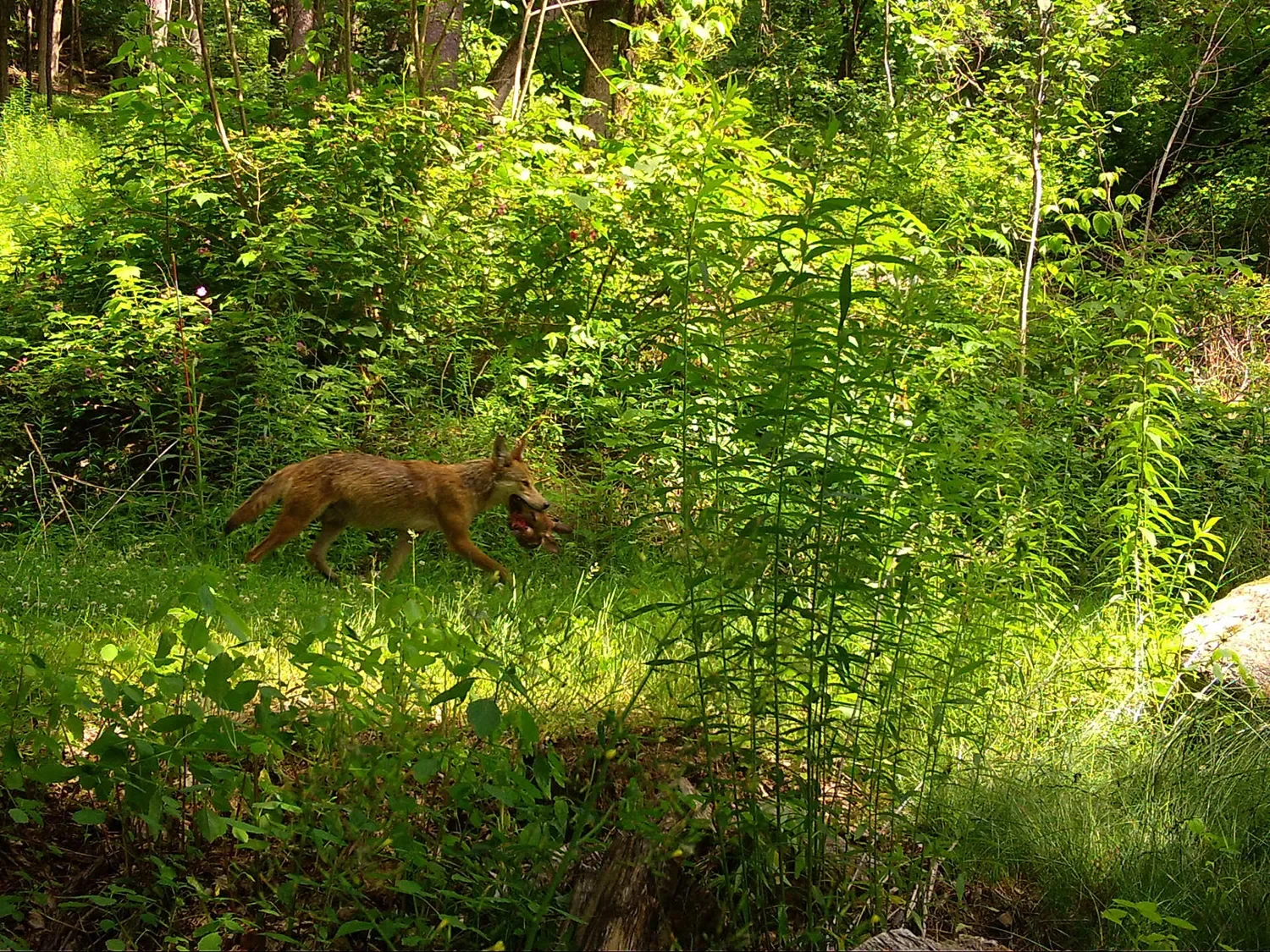
Reservoir Woods was listed as one of New Hampshire’s top 100 birding hotspots on eBird in 2023. Now anyone can enter bird observations seen here on both eBird and iNaturalist. Ten songbird species from the Audubon VT Birder’s Dozen were heard or sighted here in 2023. These are “twelve of the forty species that have been identified by Audubon Vermont as being high priorities for protection in the Northeast.” With this information, we have the opportunity to monitor, protect and improve their breeding habitat and help keep them off the endangered species list. (Learn more here.)
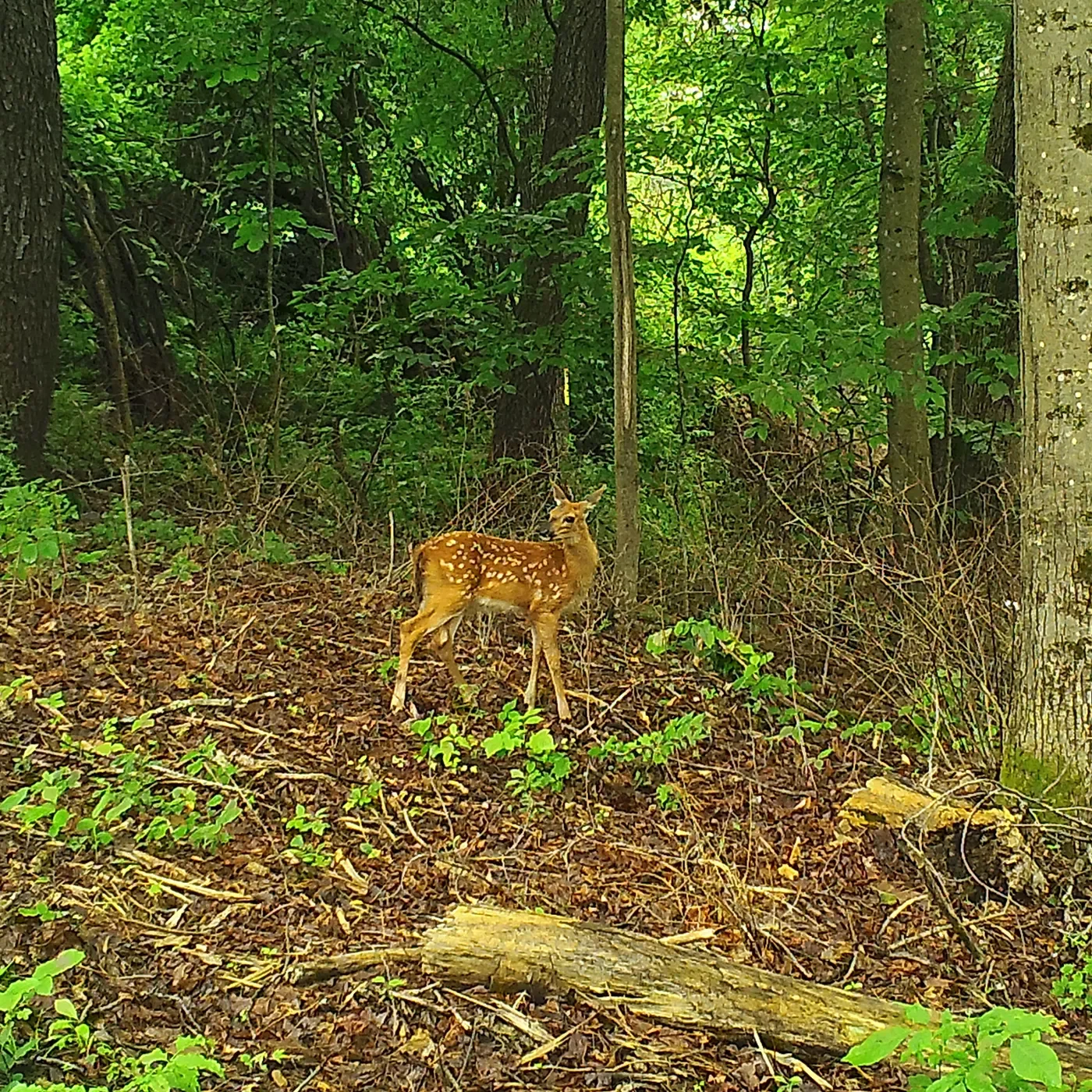
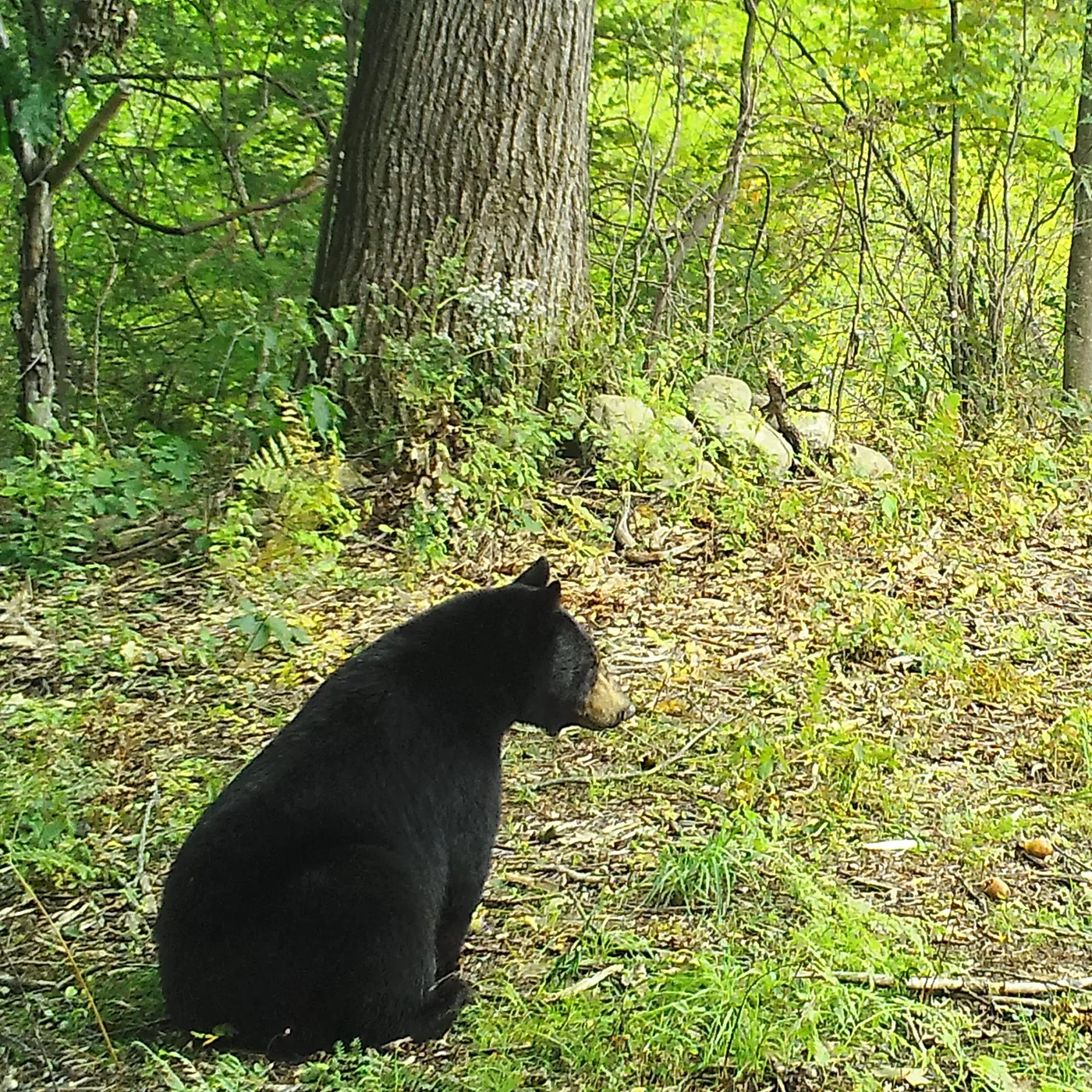
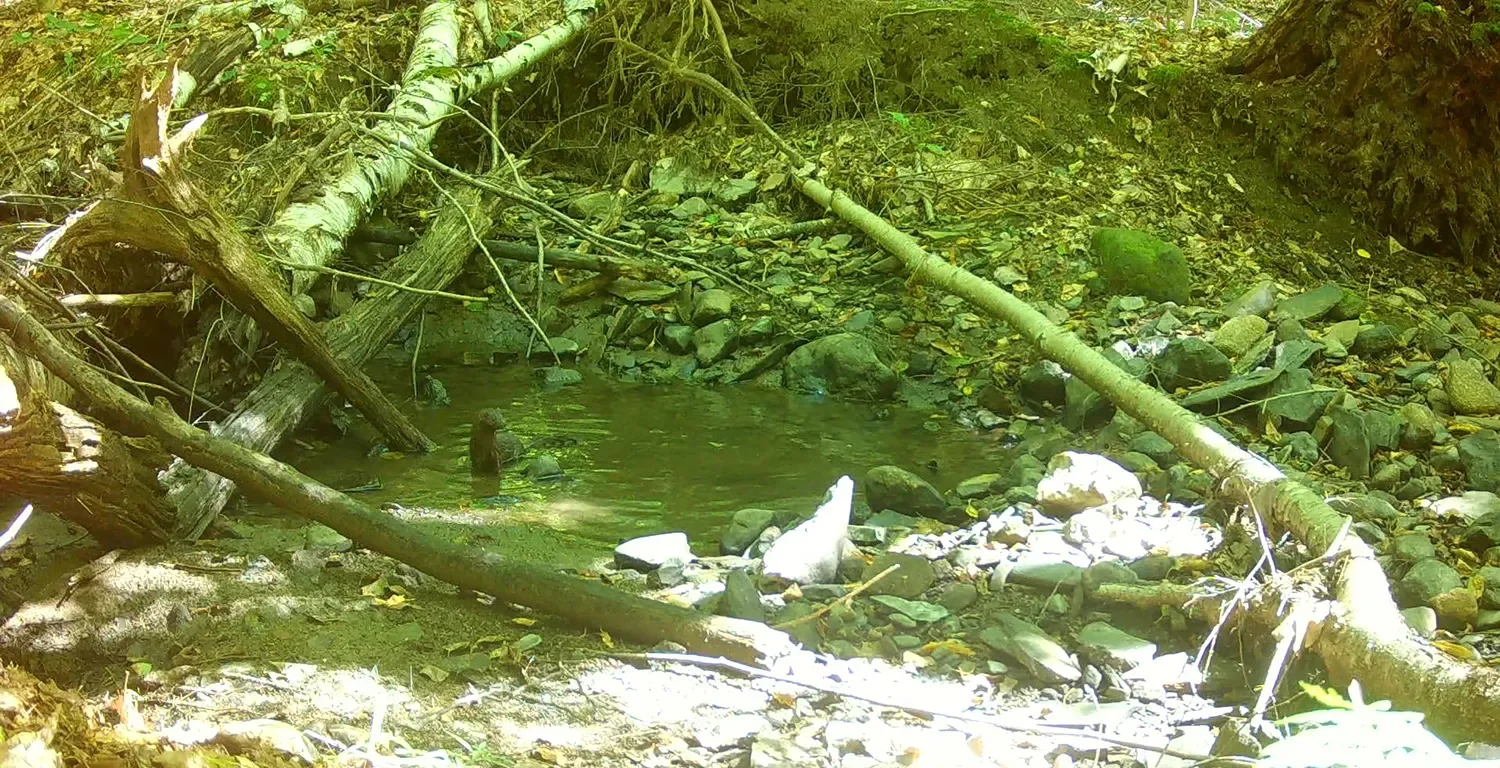
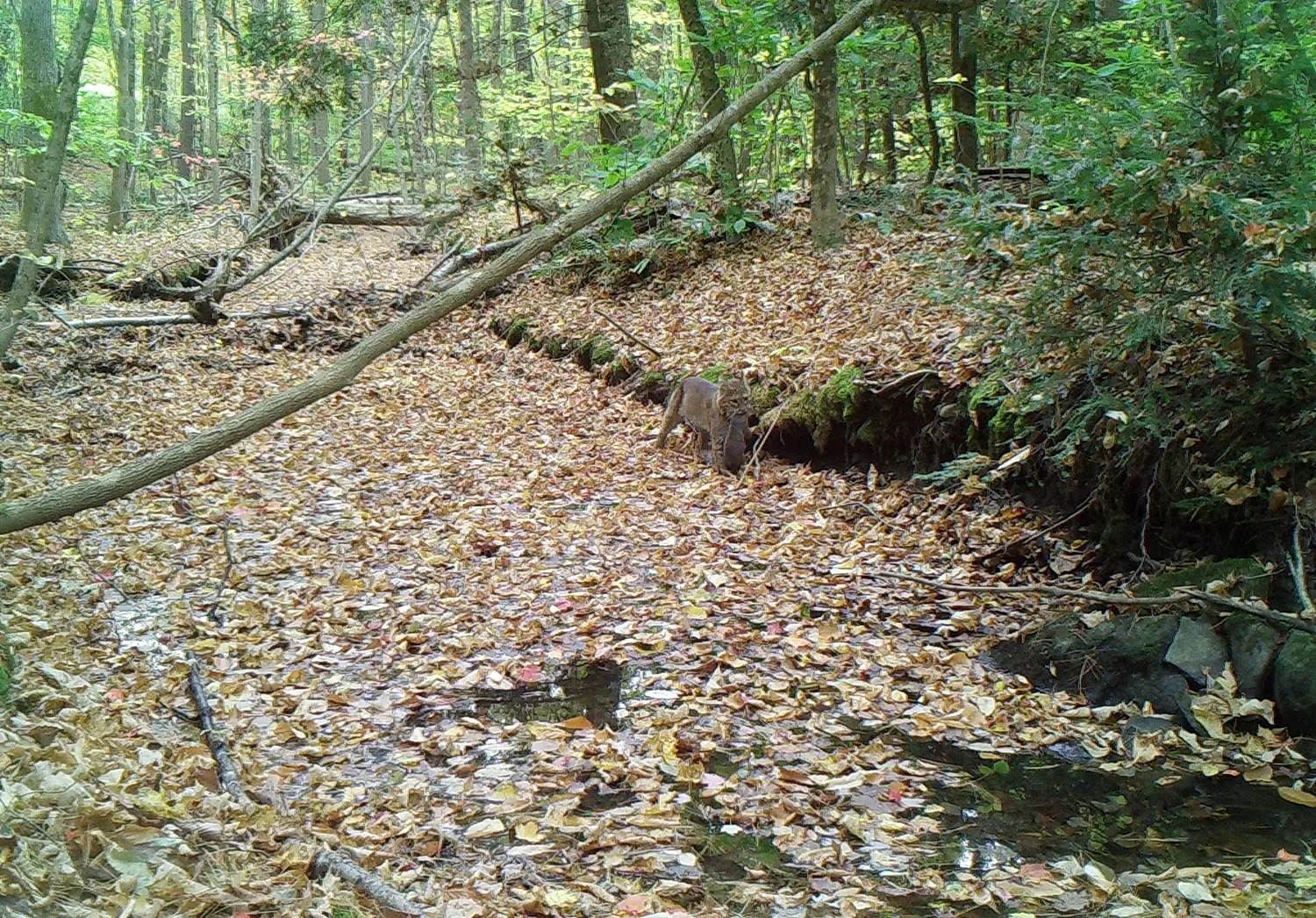
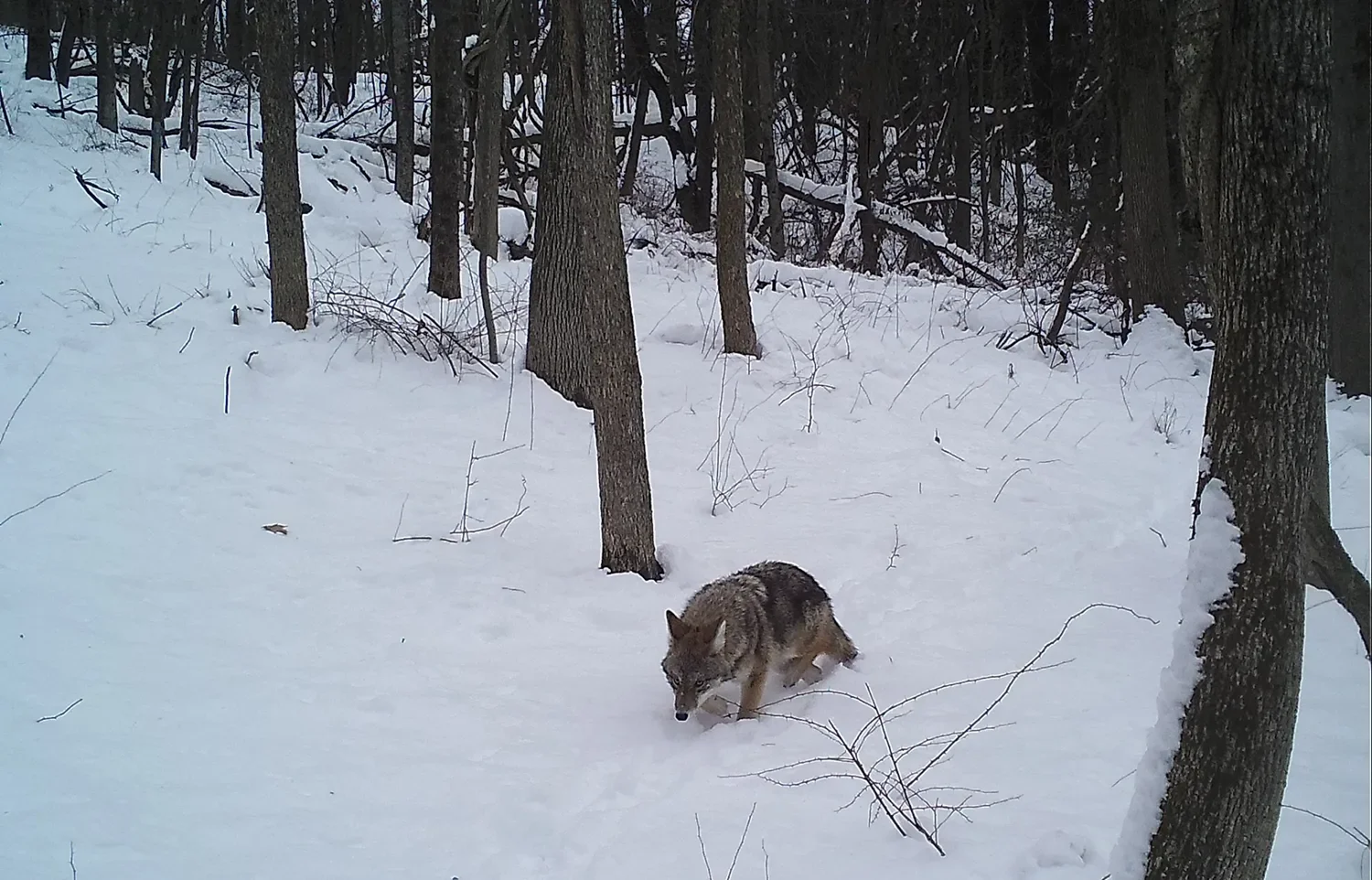
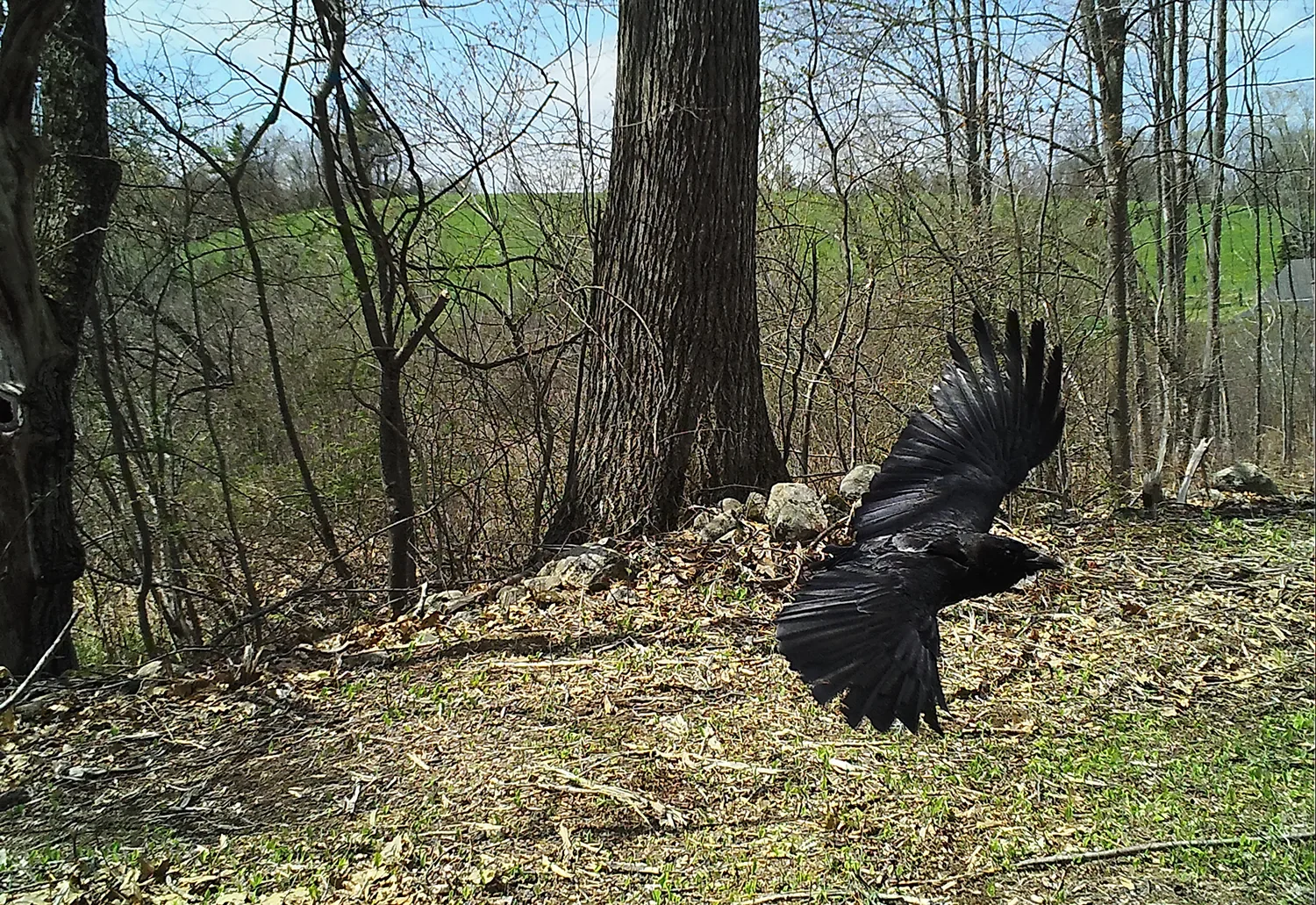
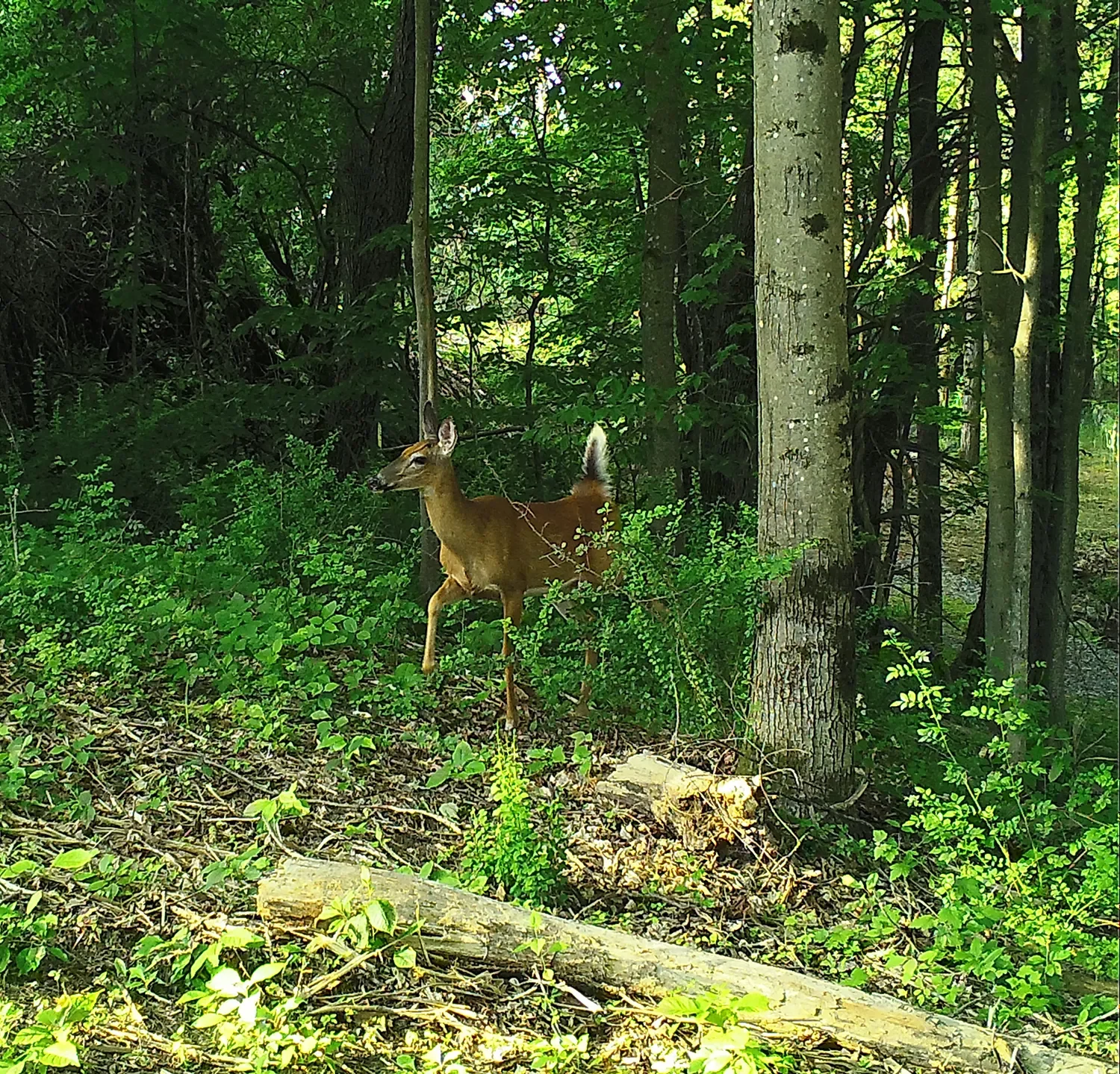
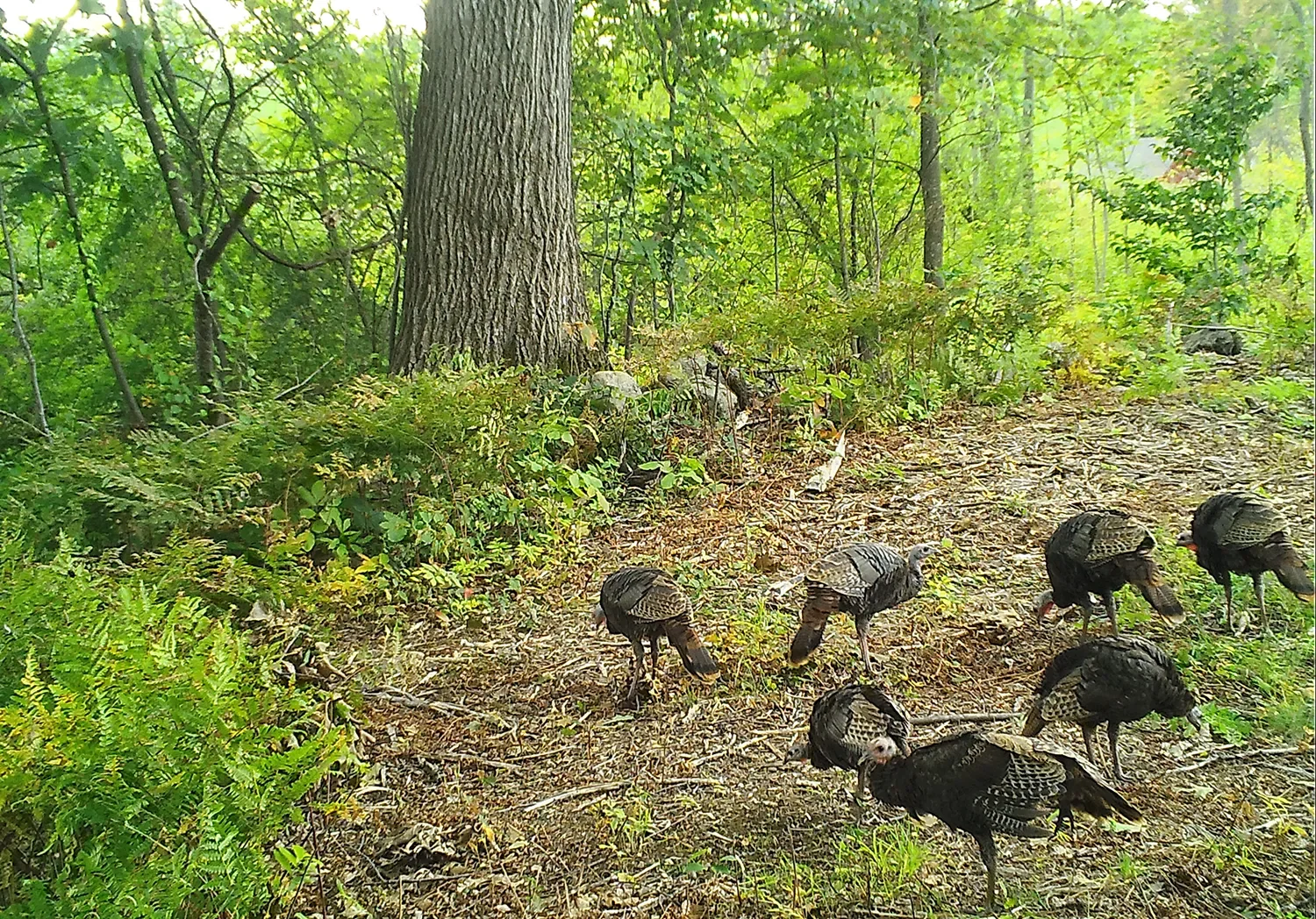
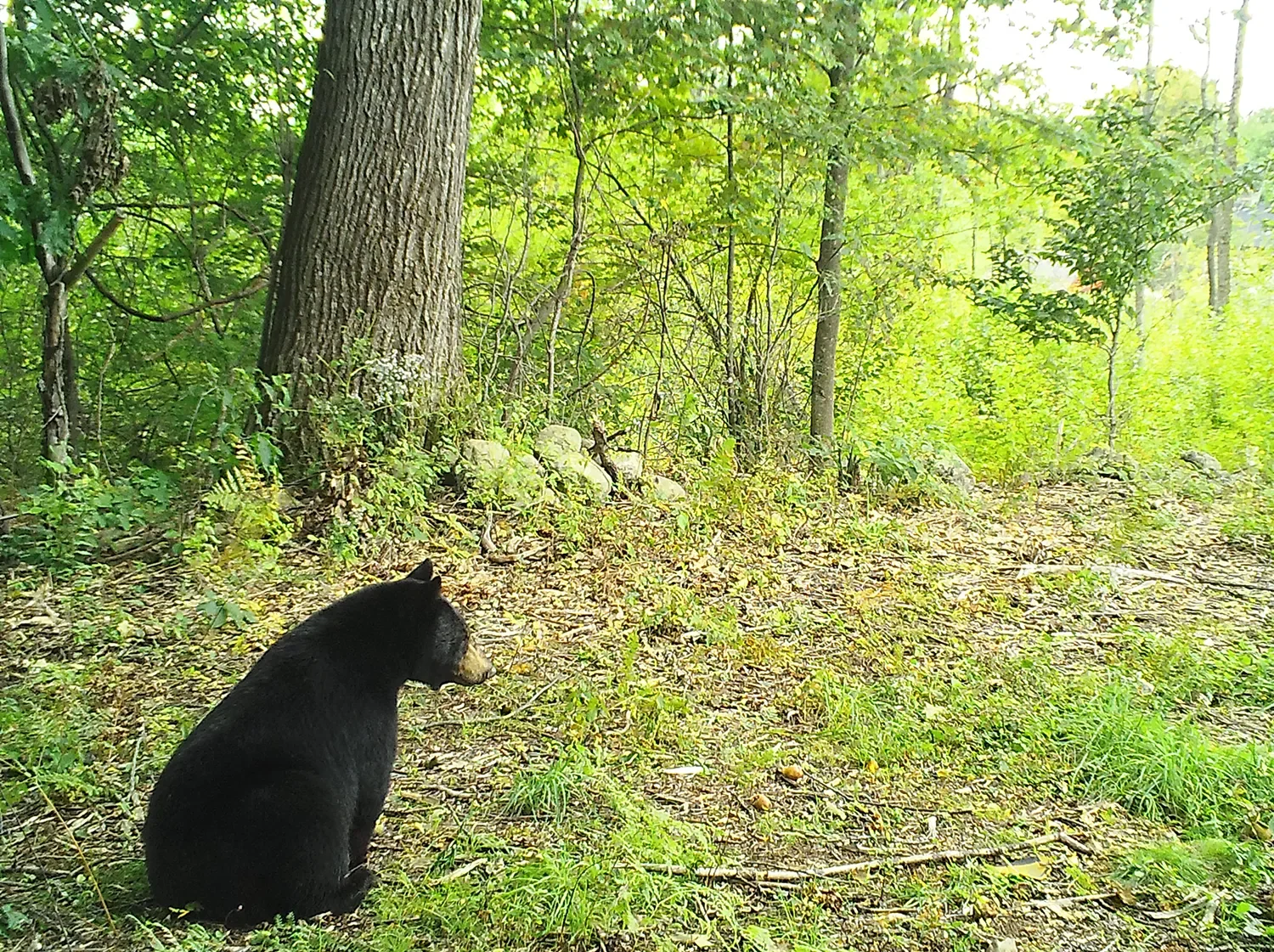
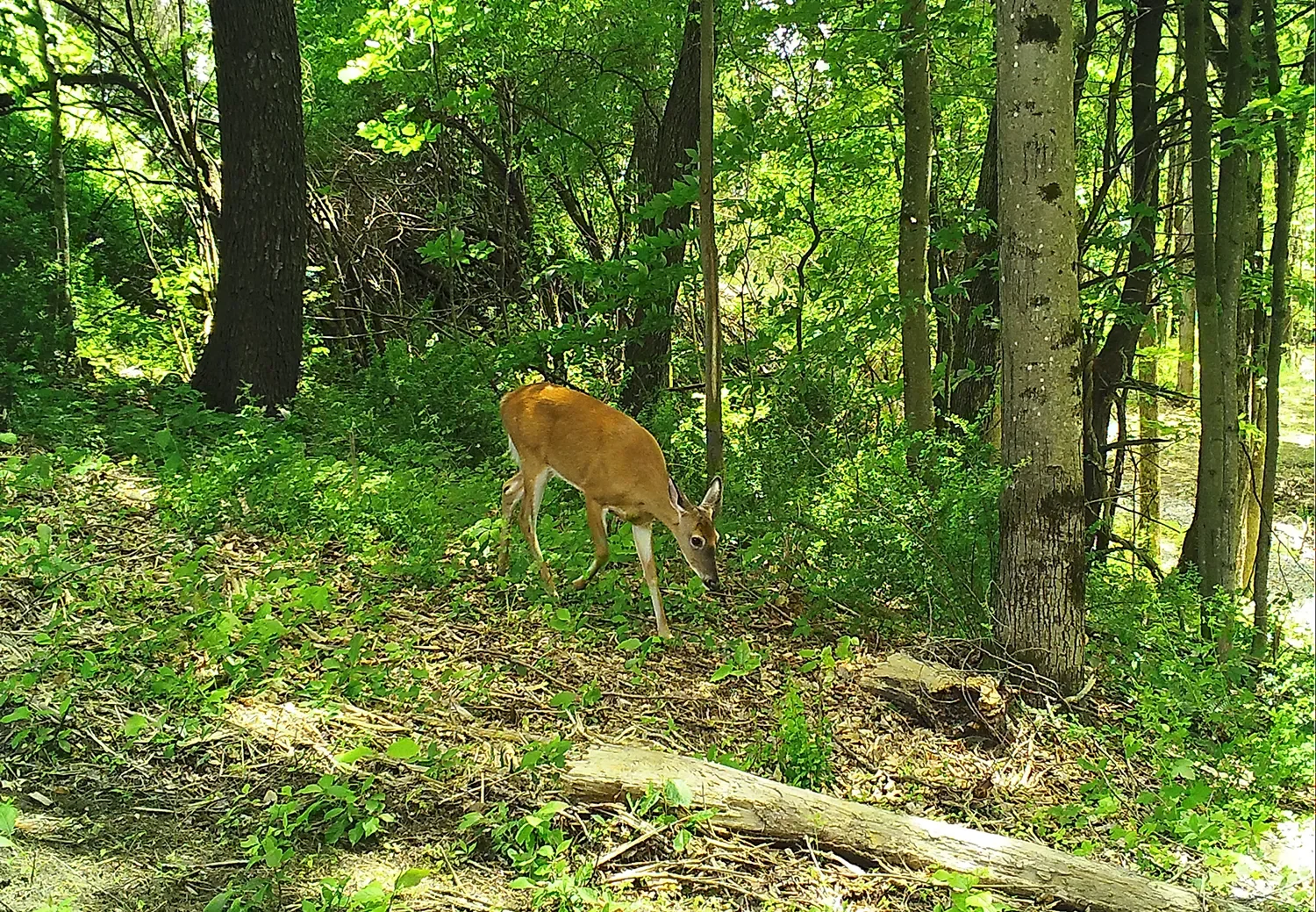
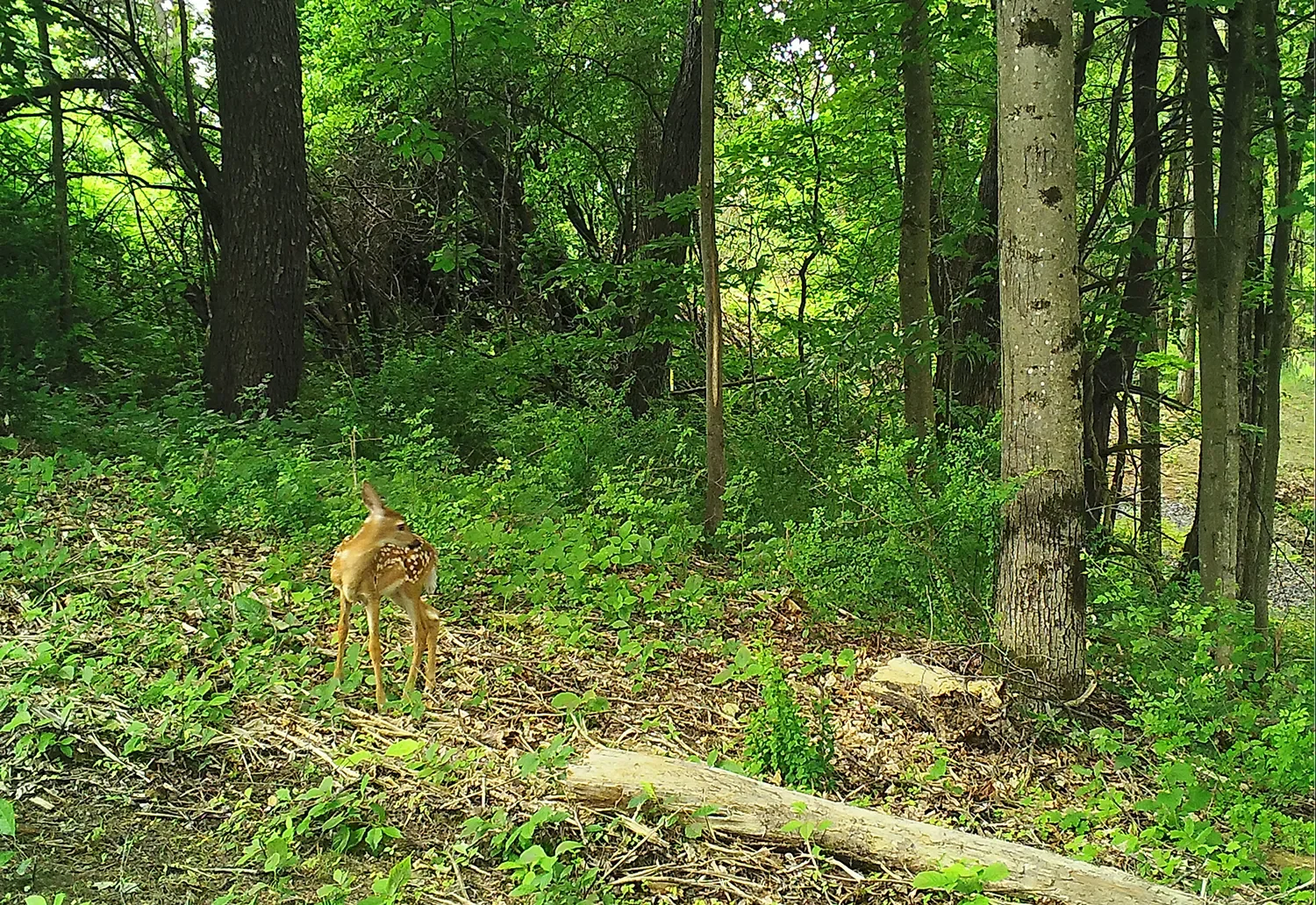
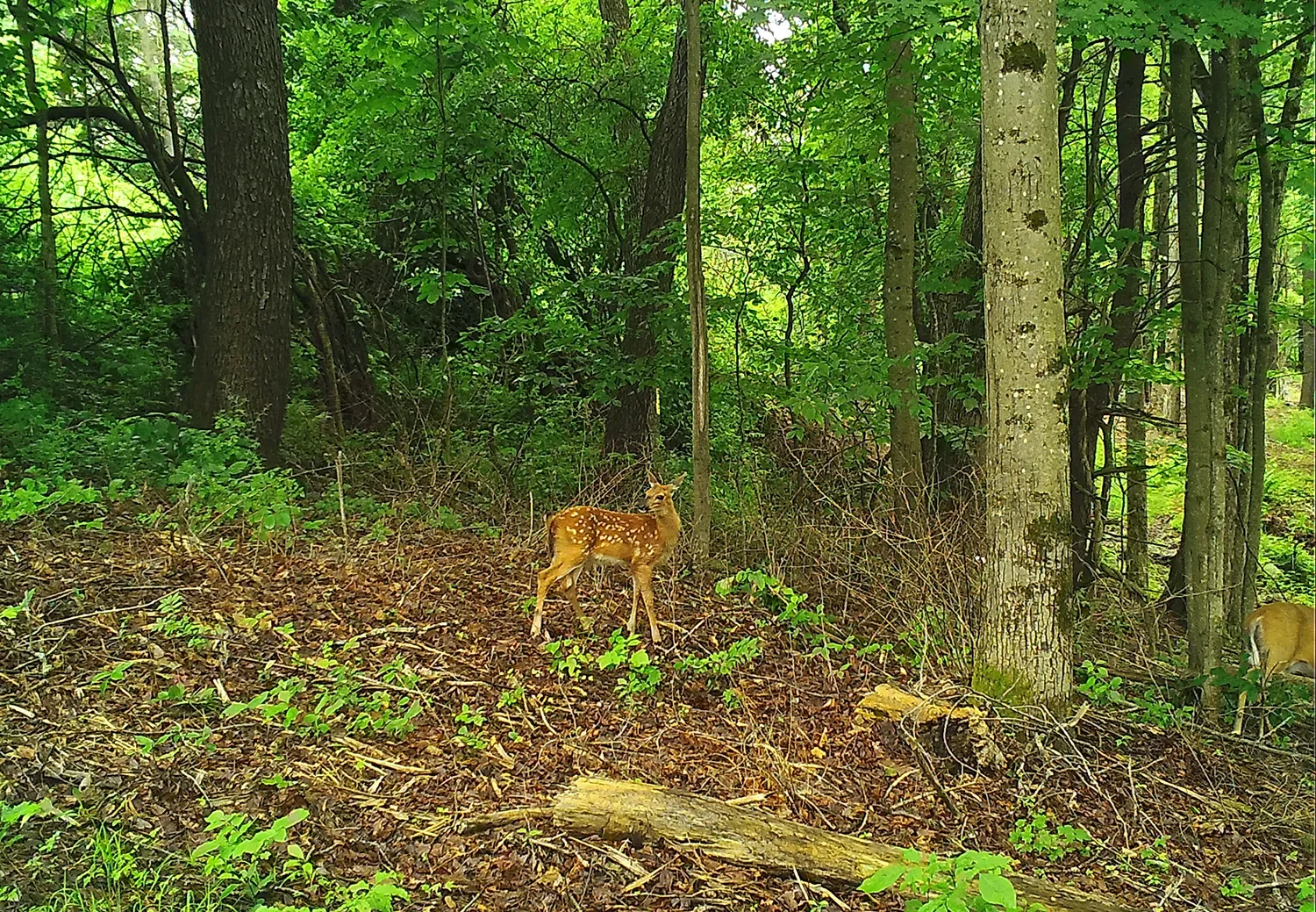
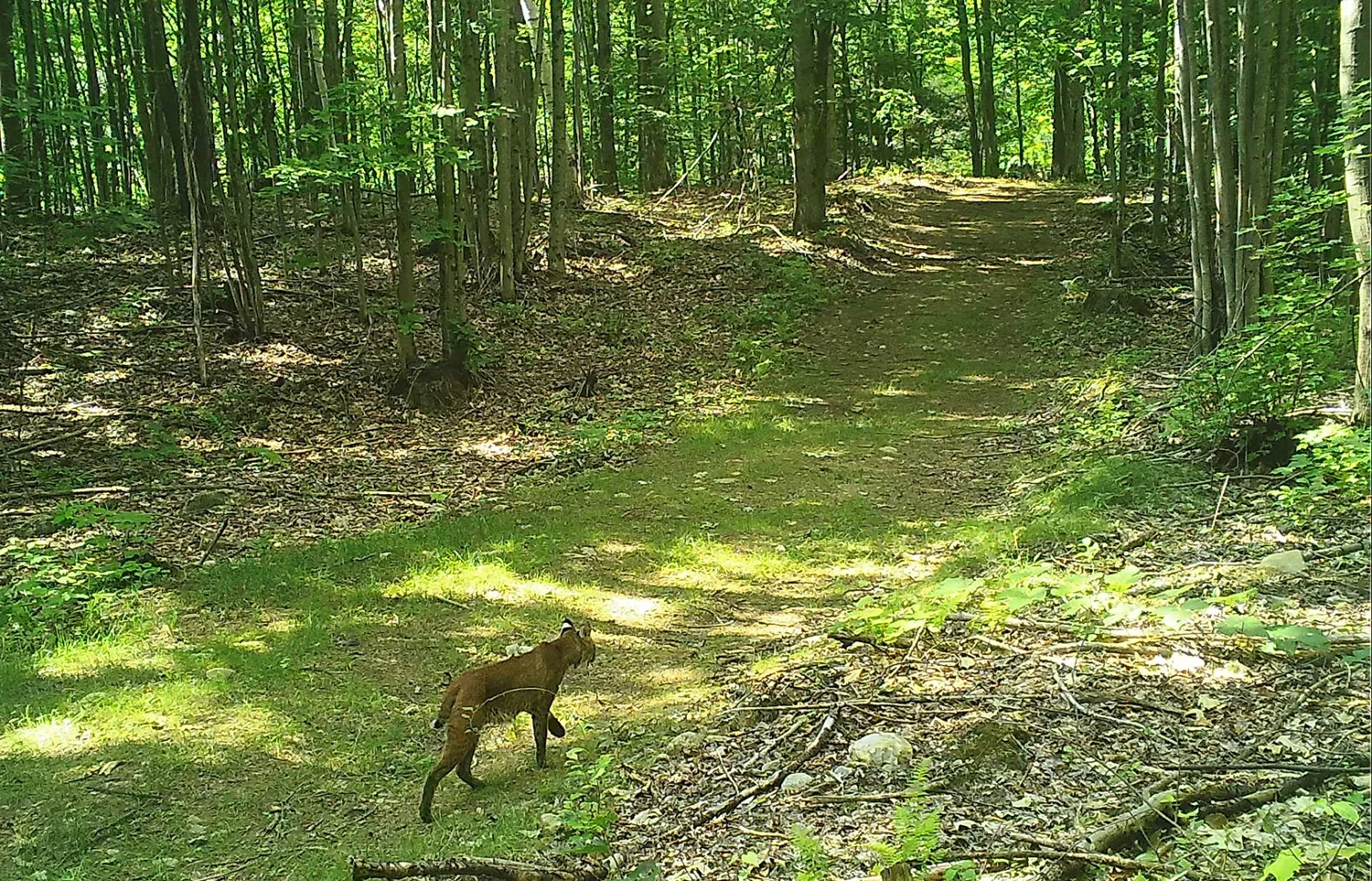
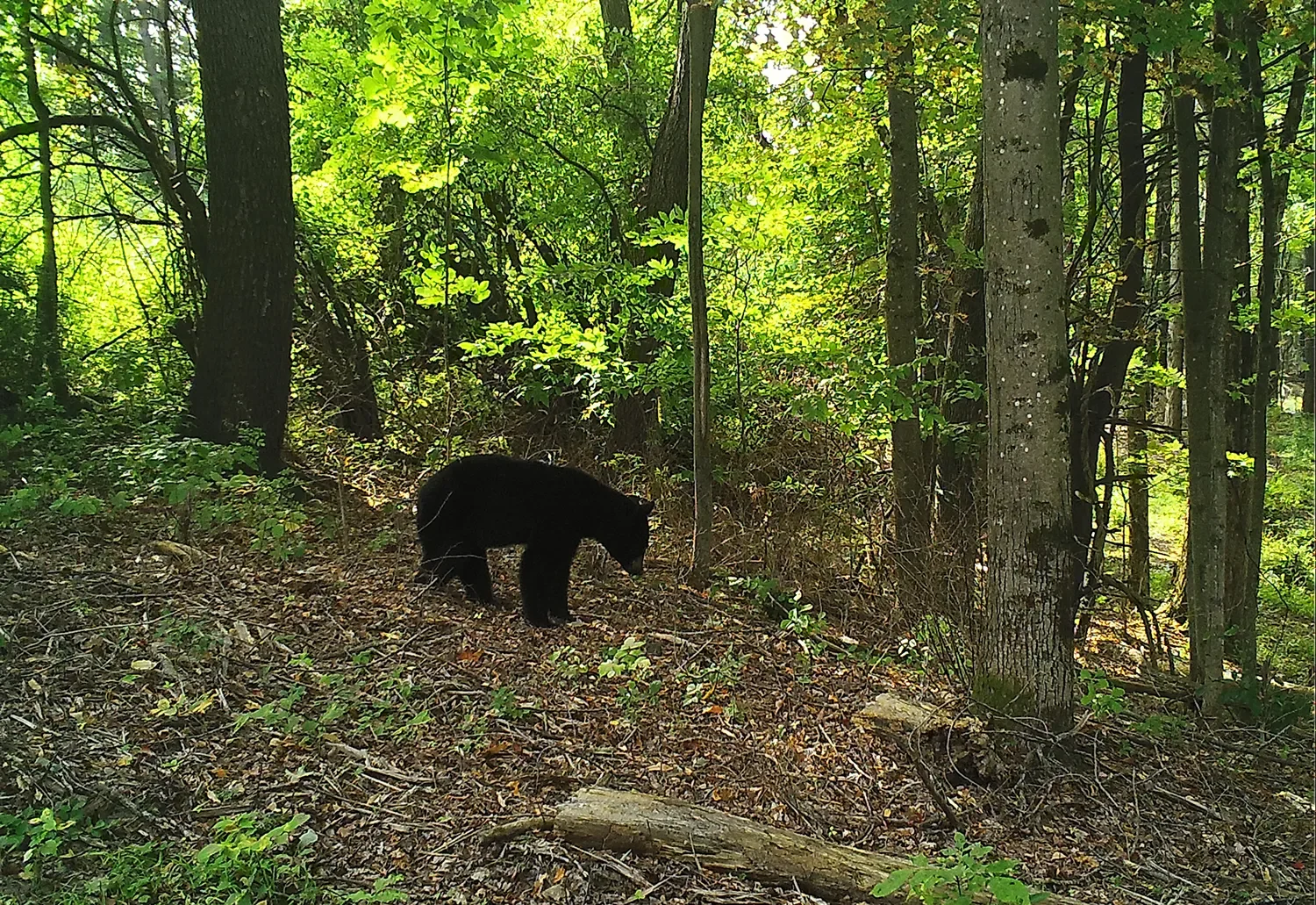
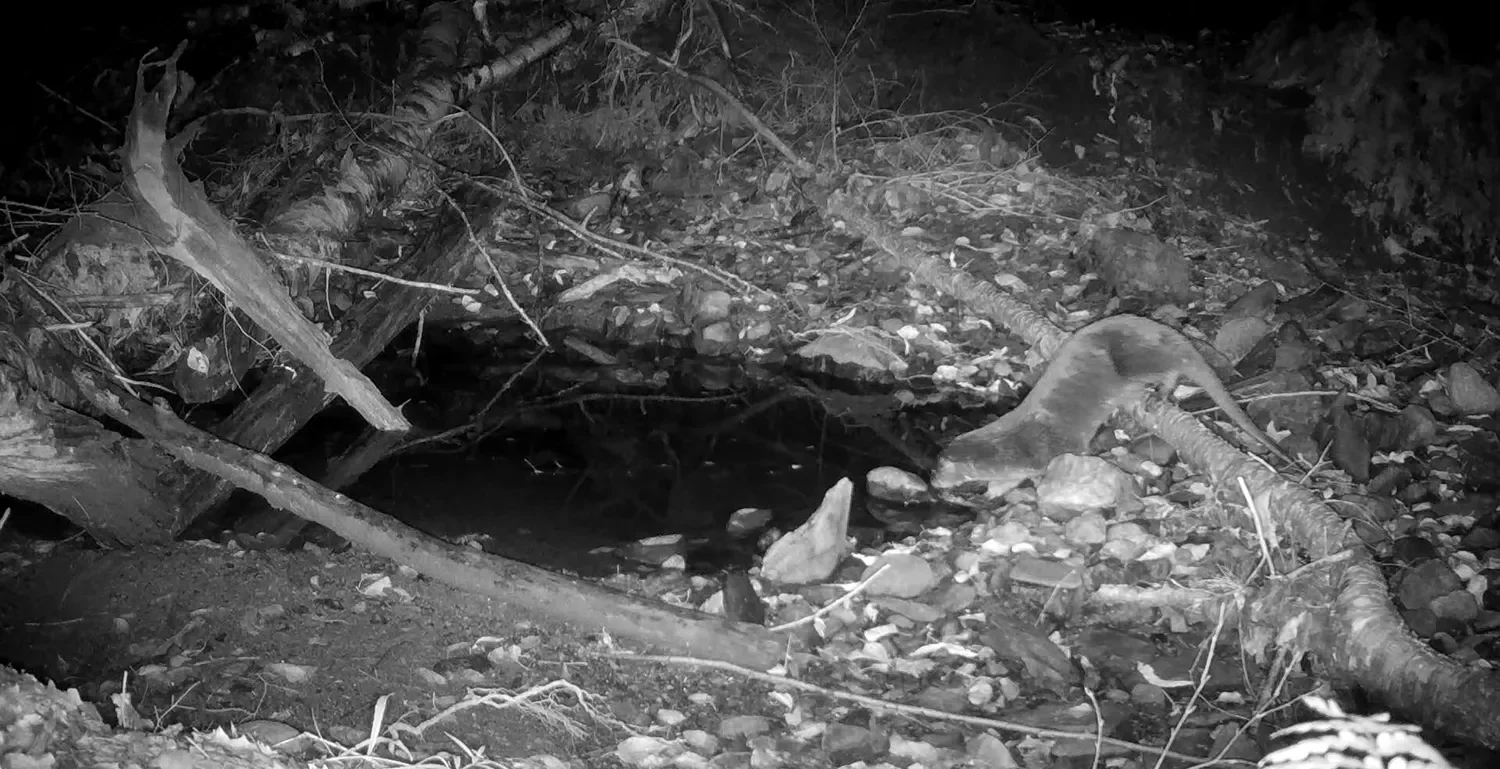
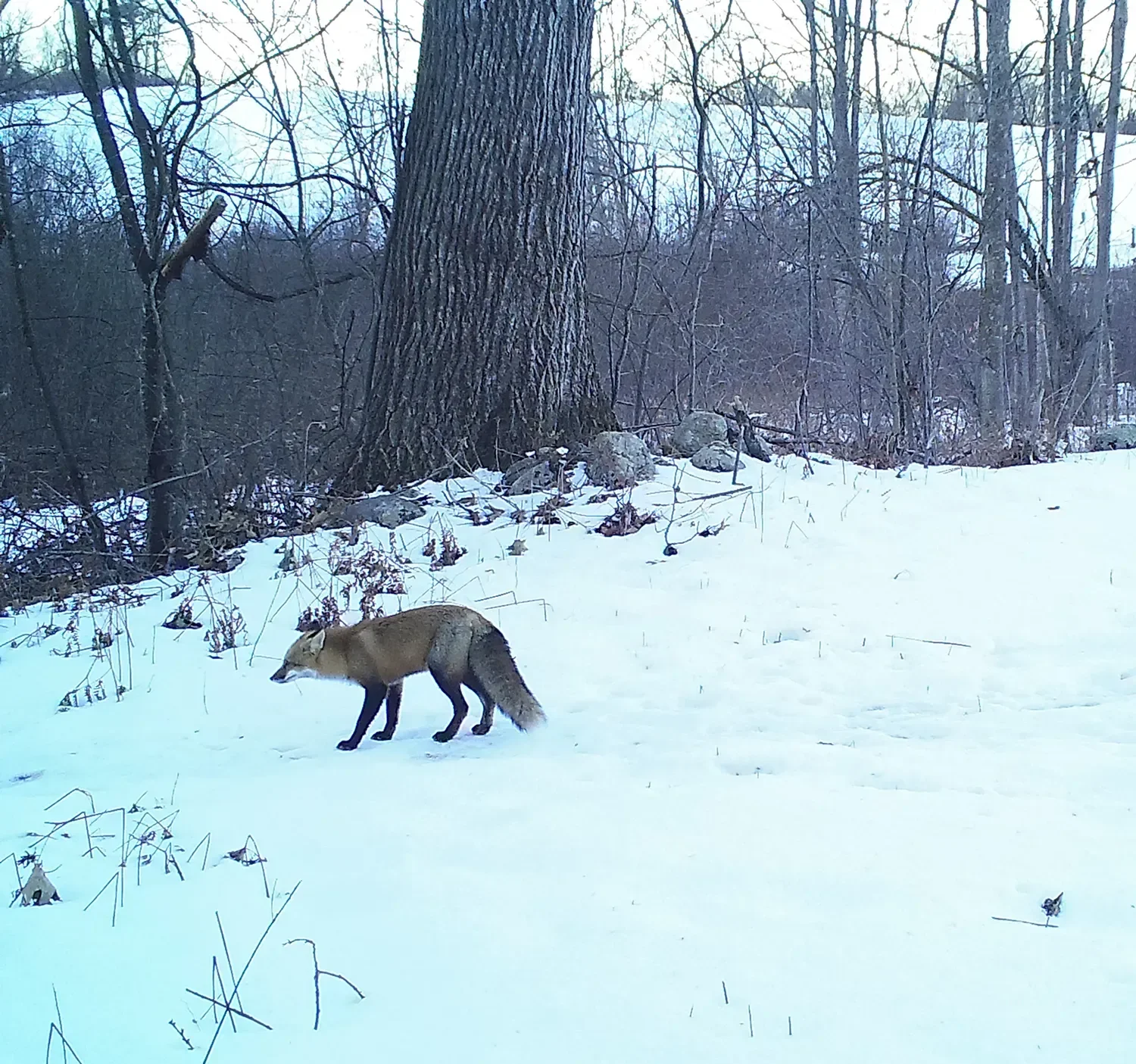
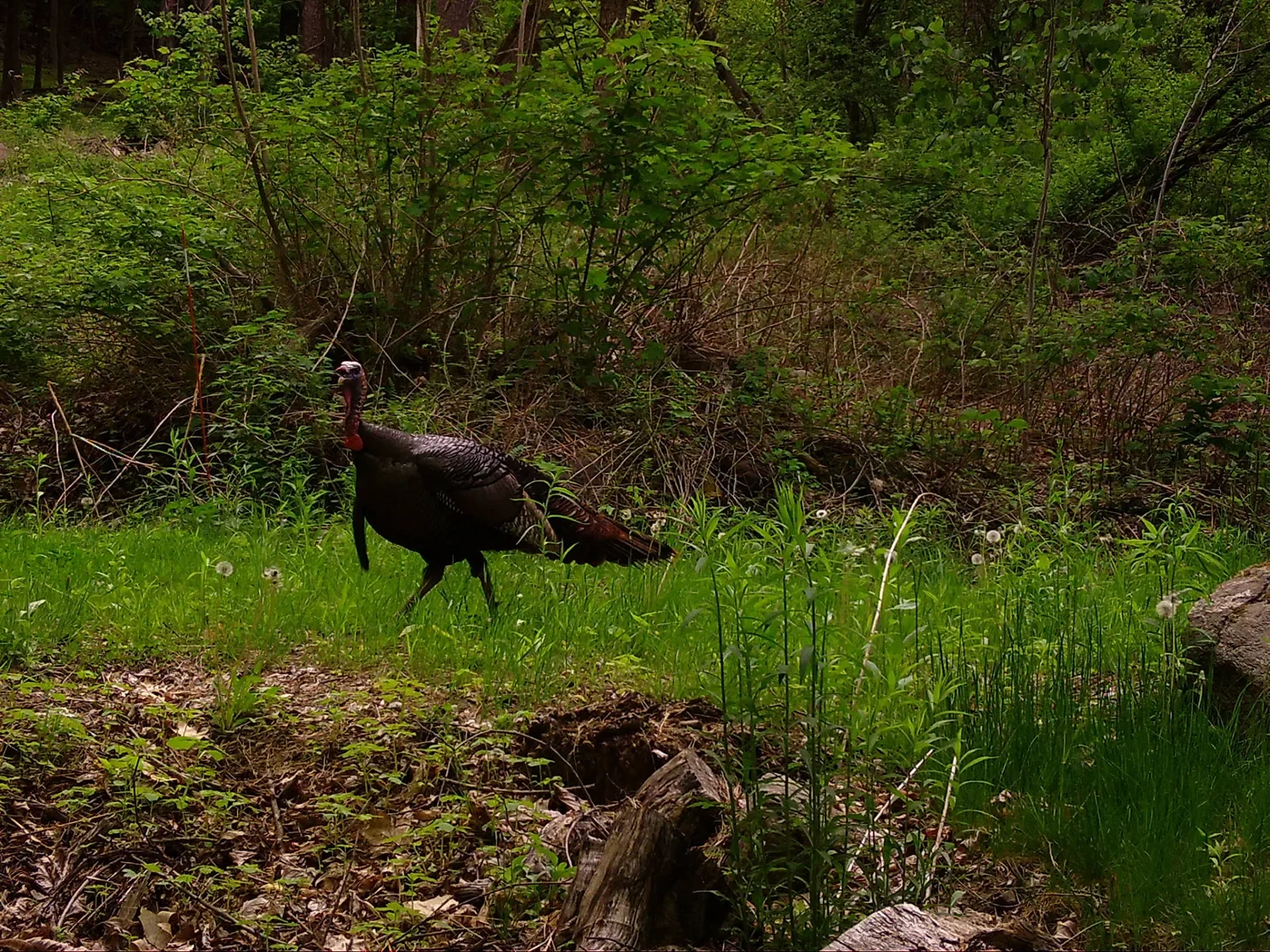
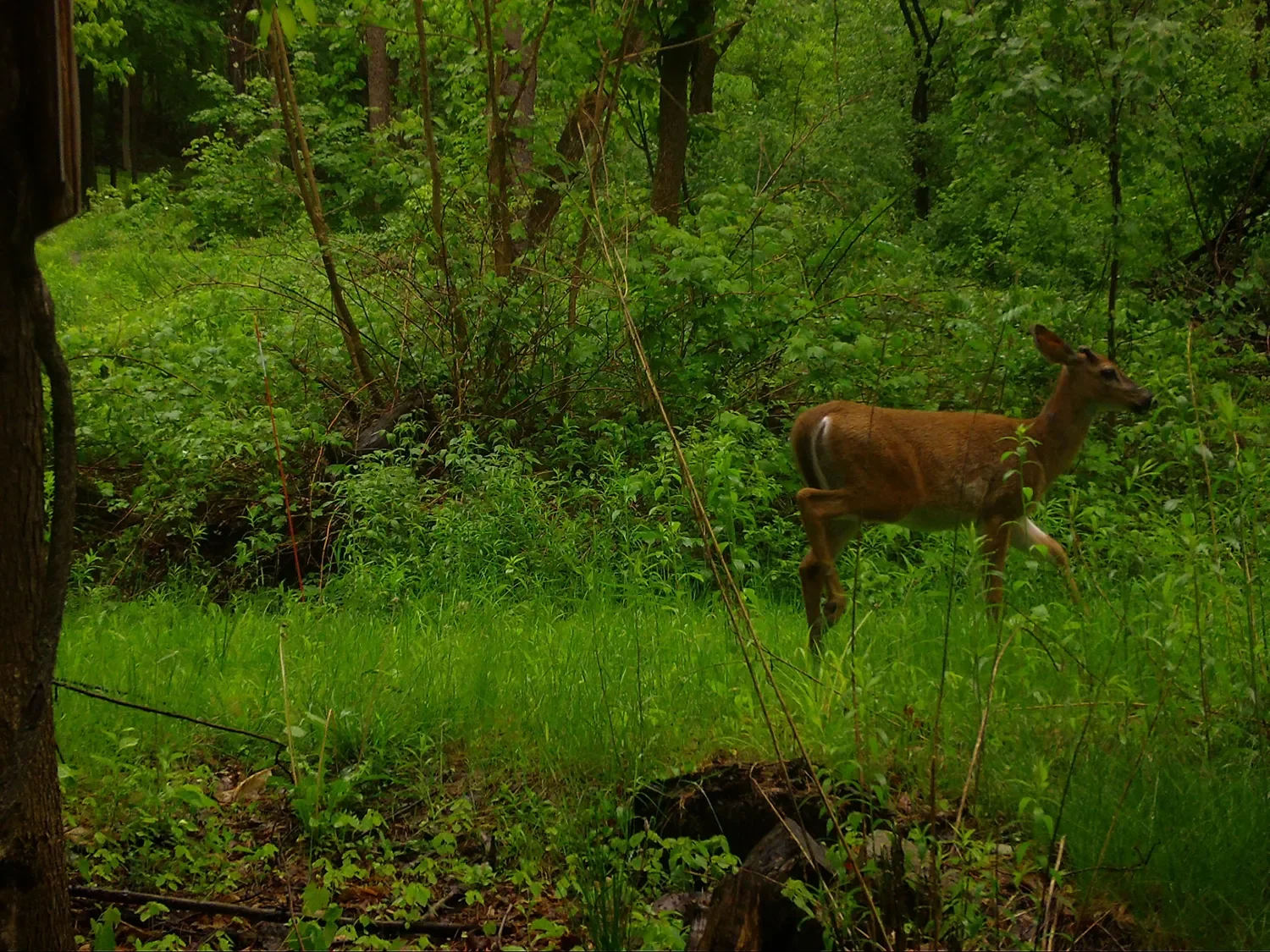
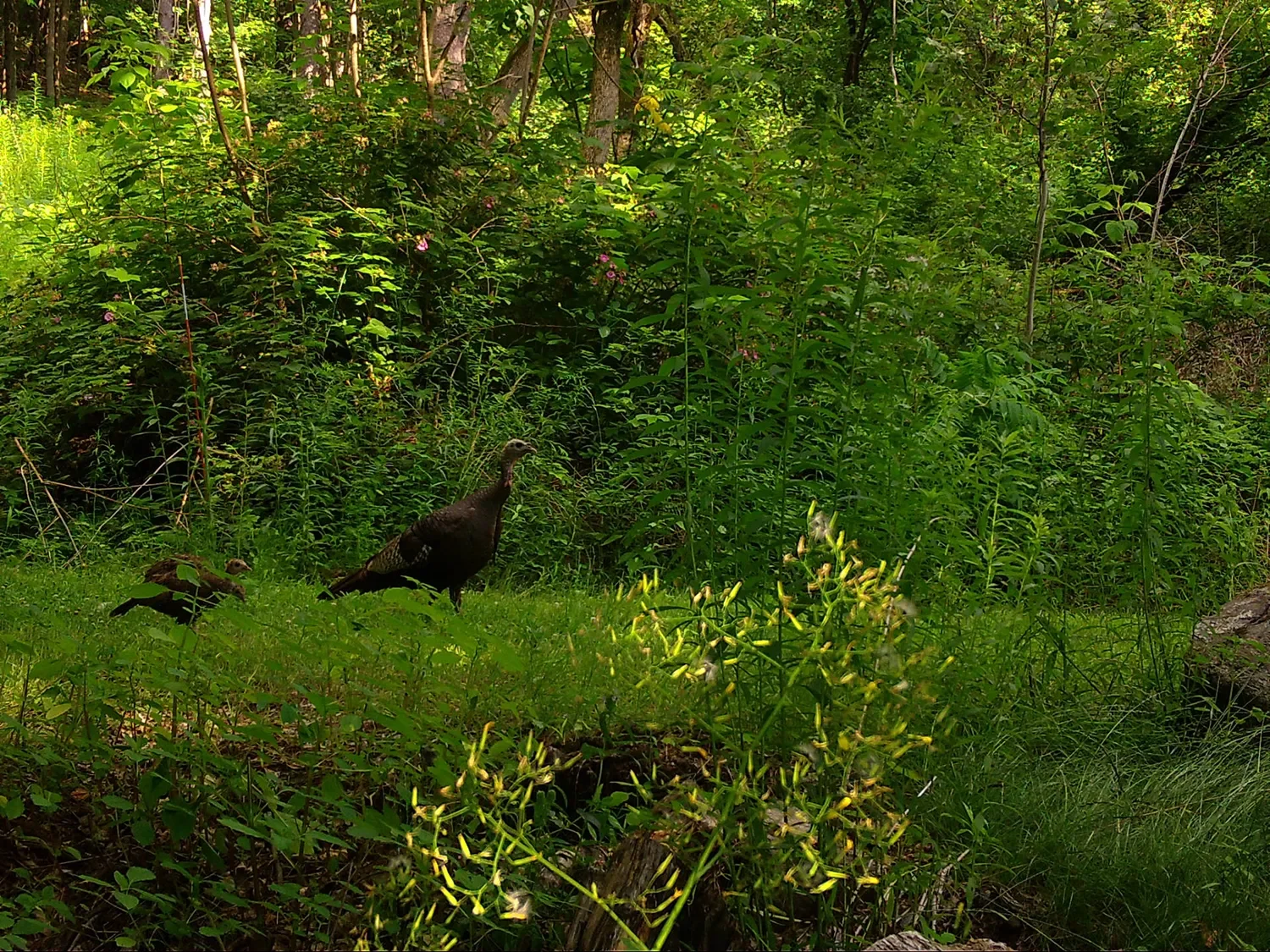
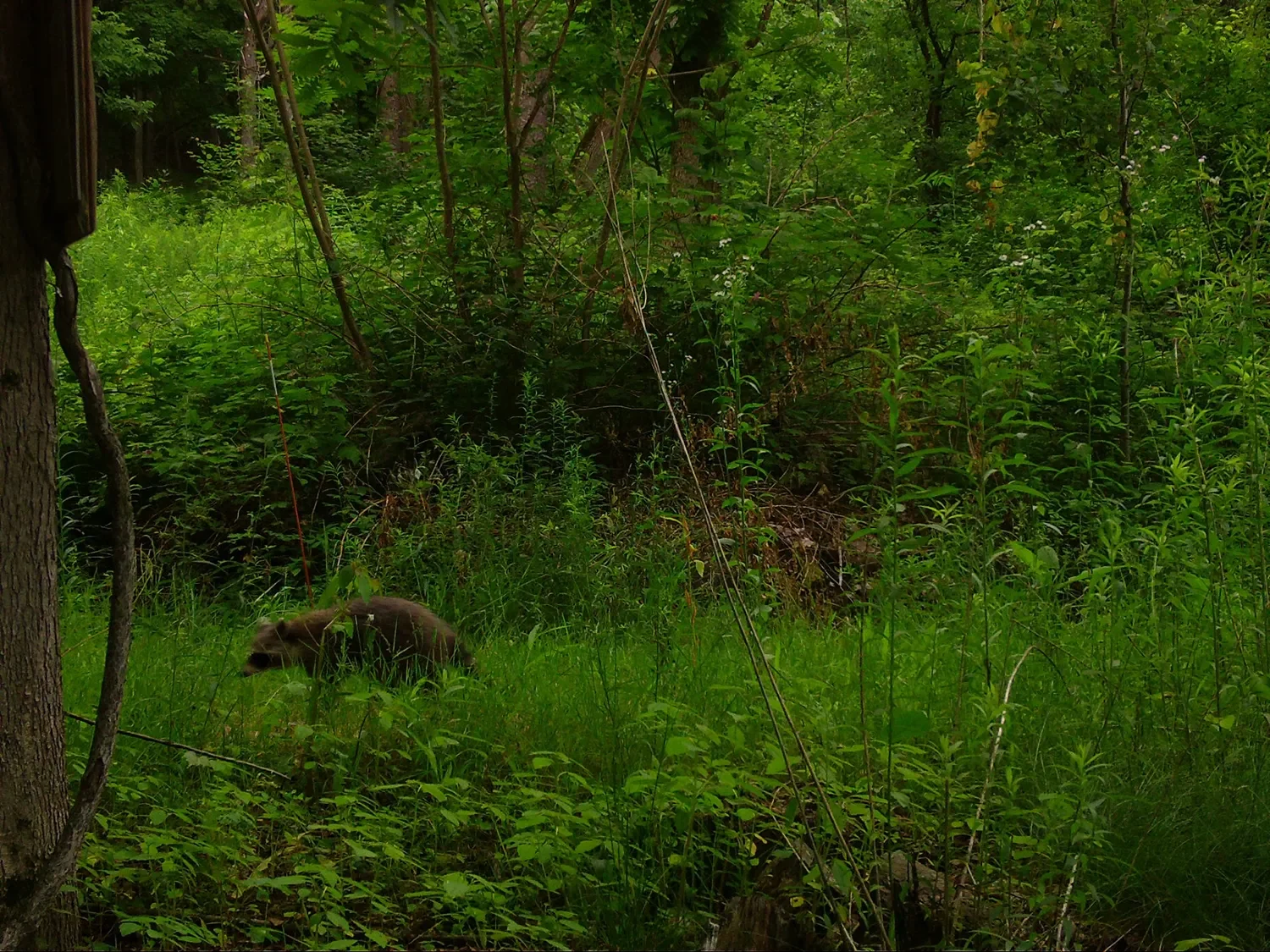
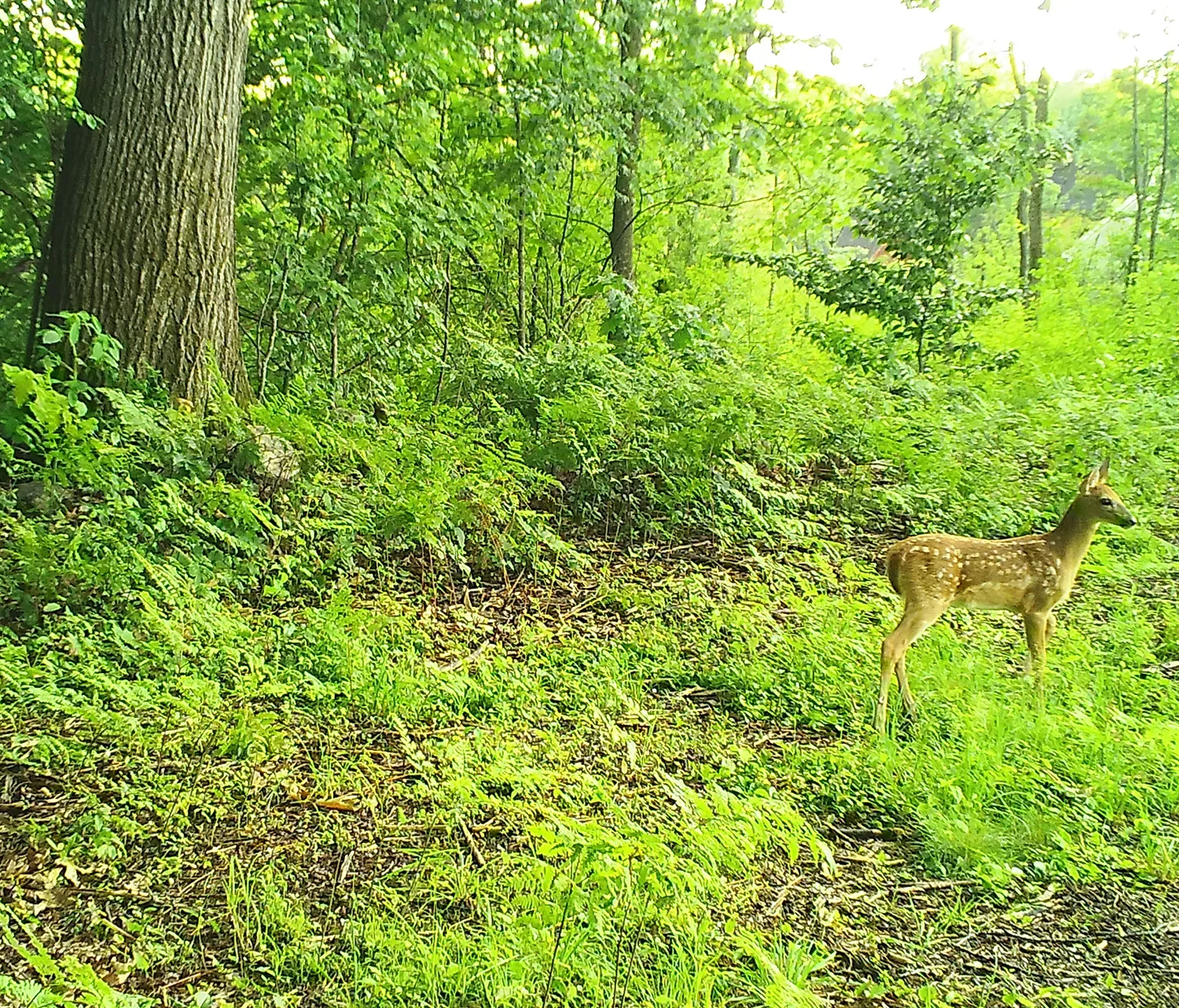
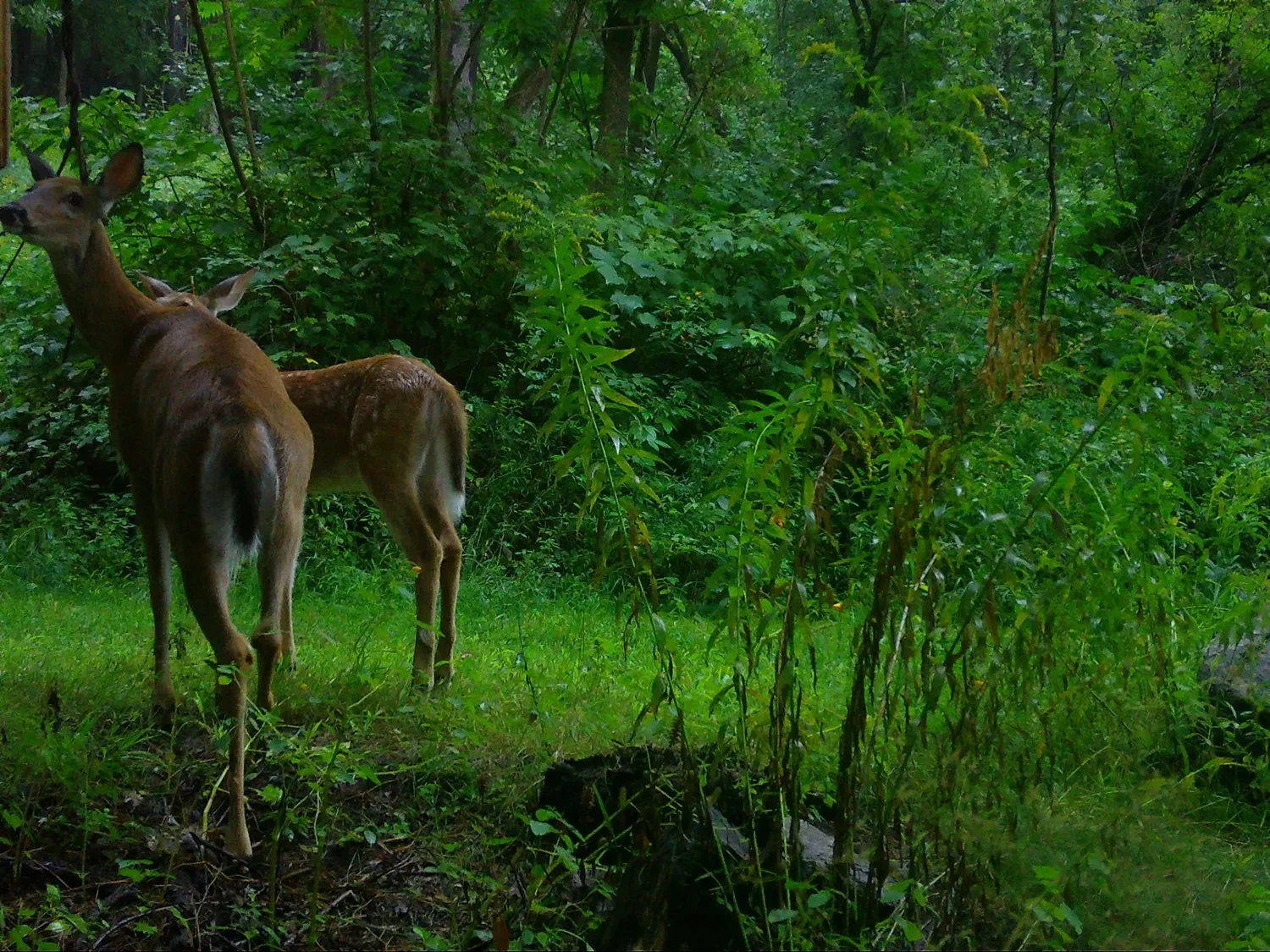
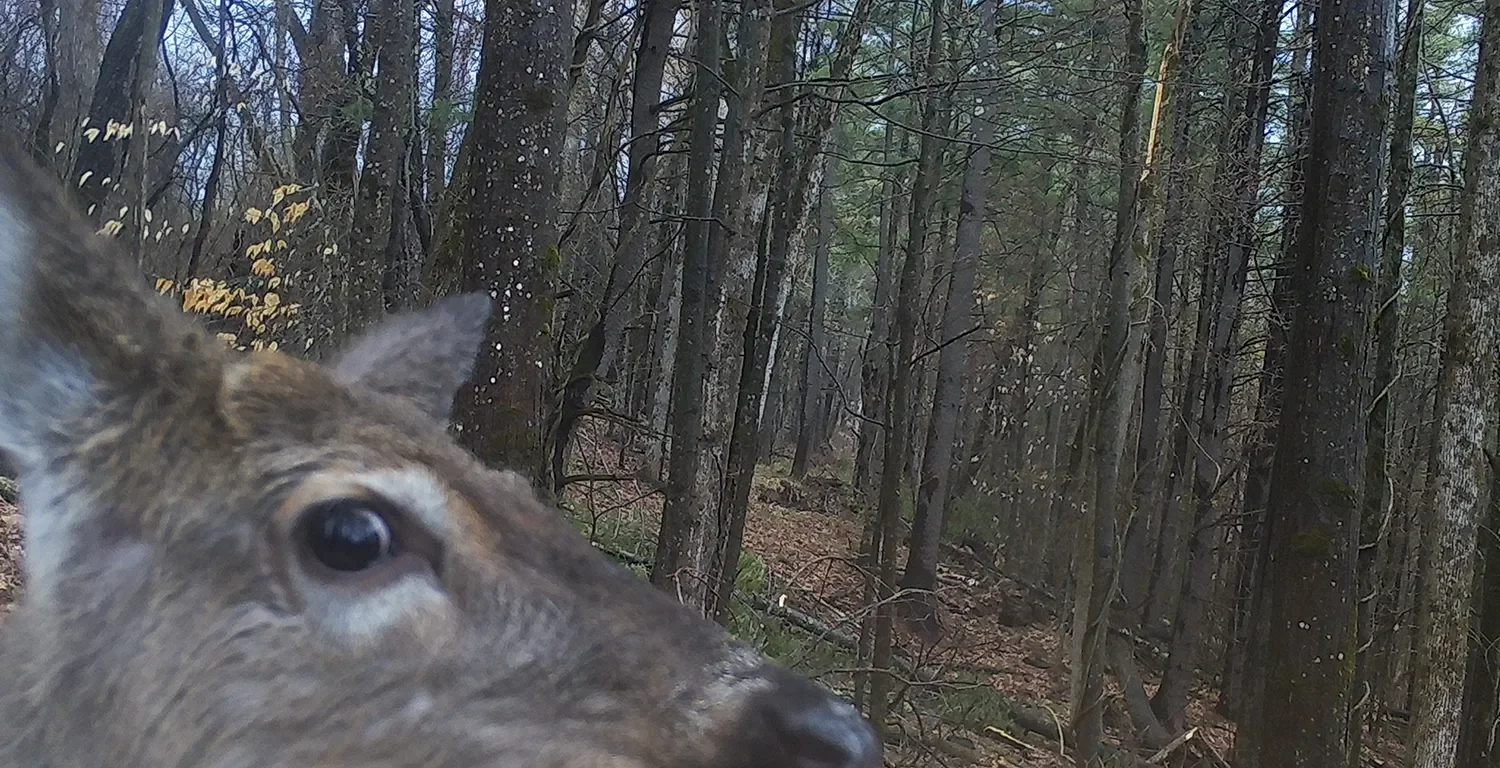
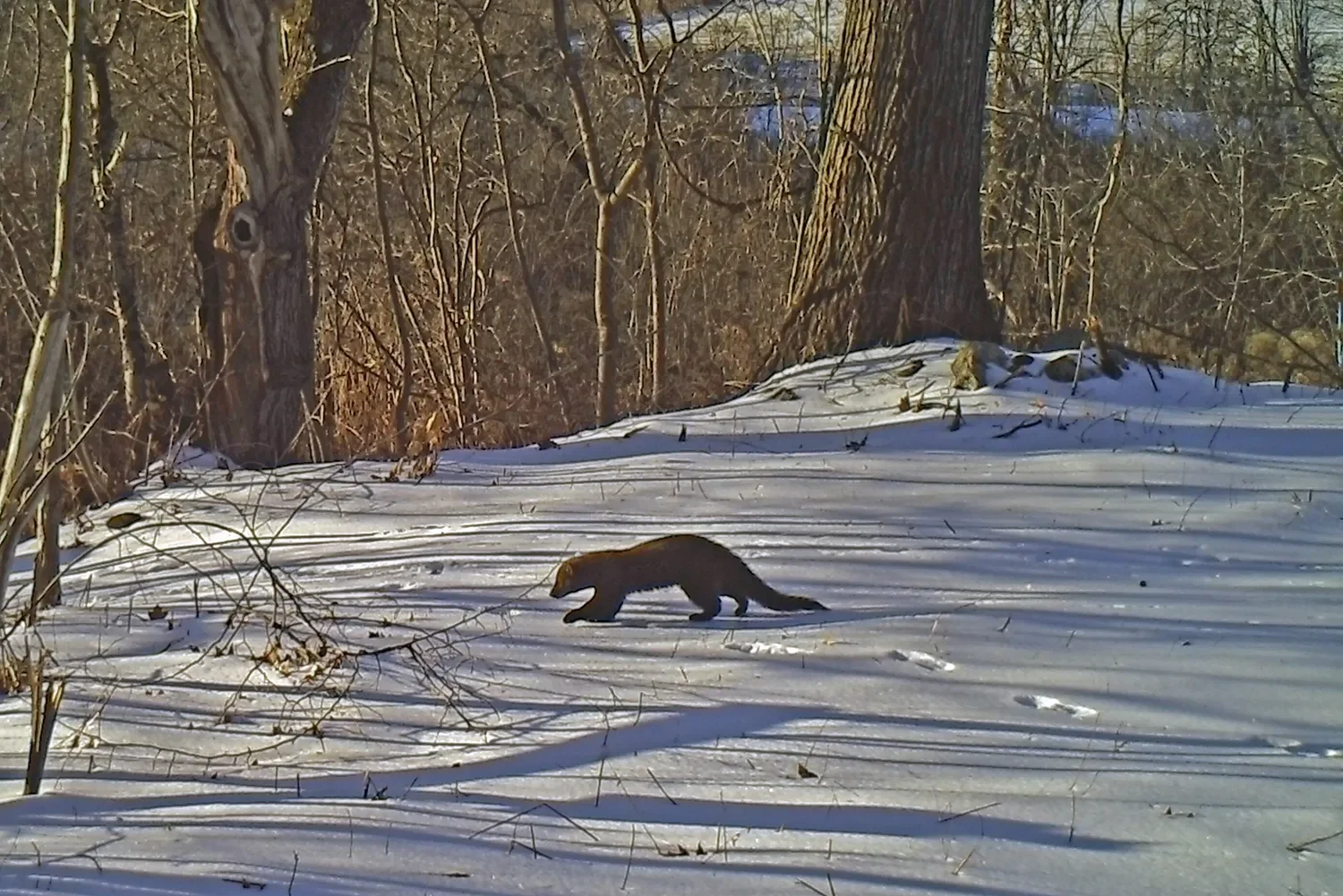
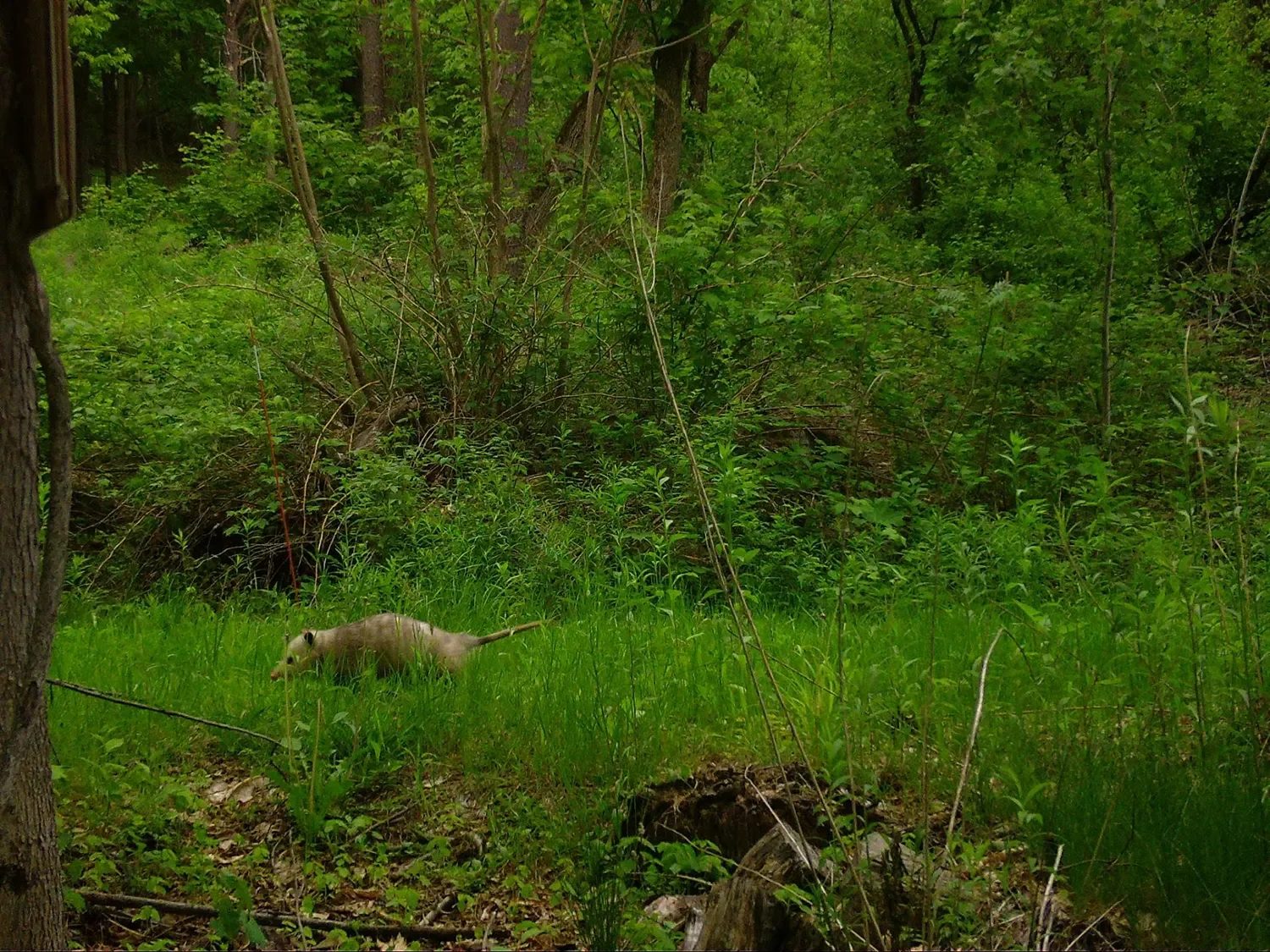
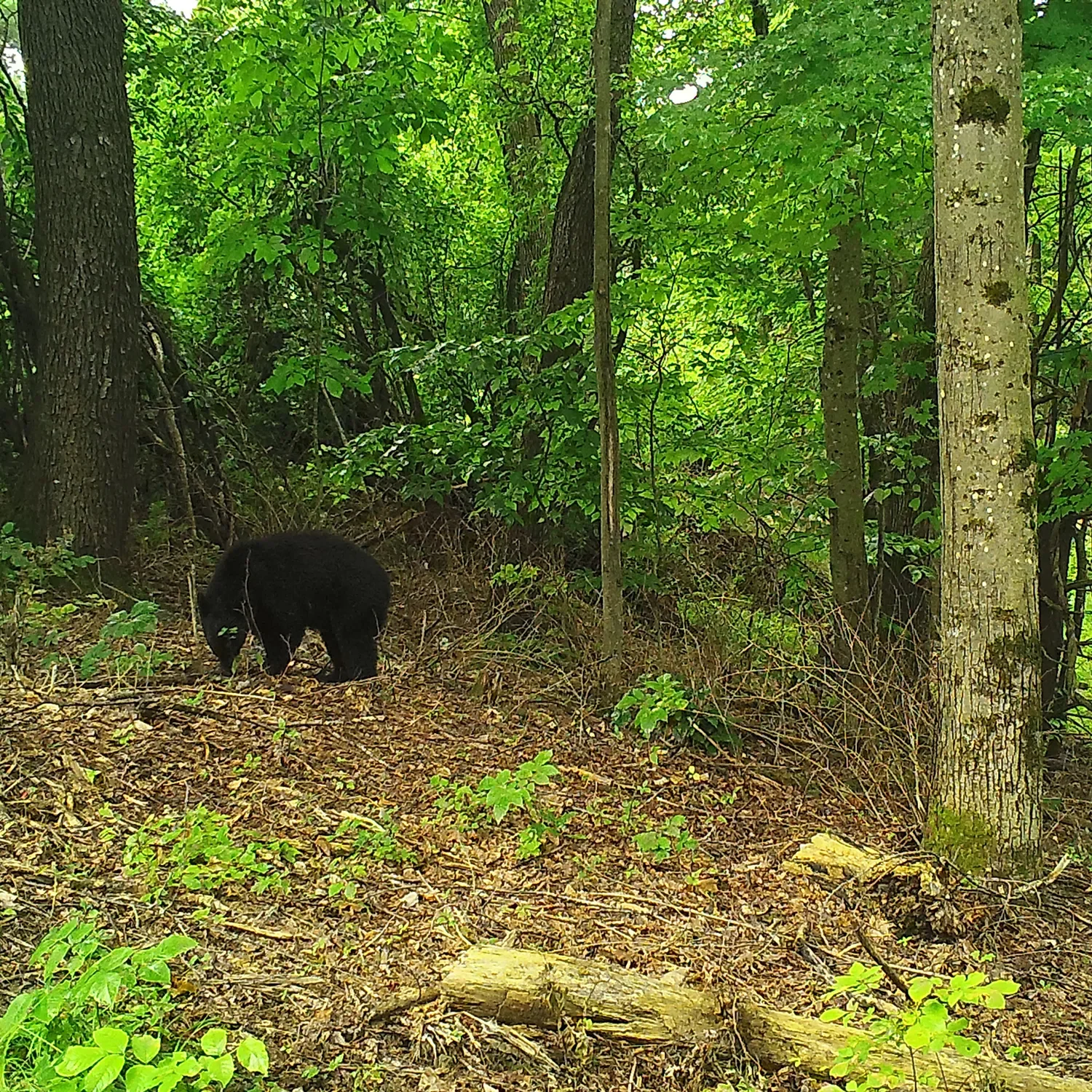
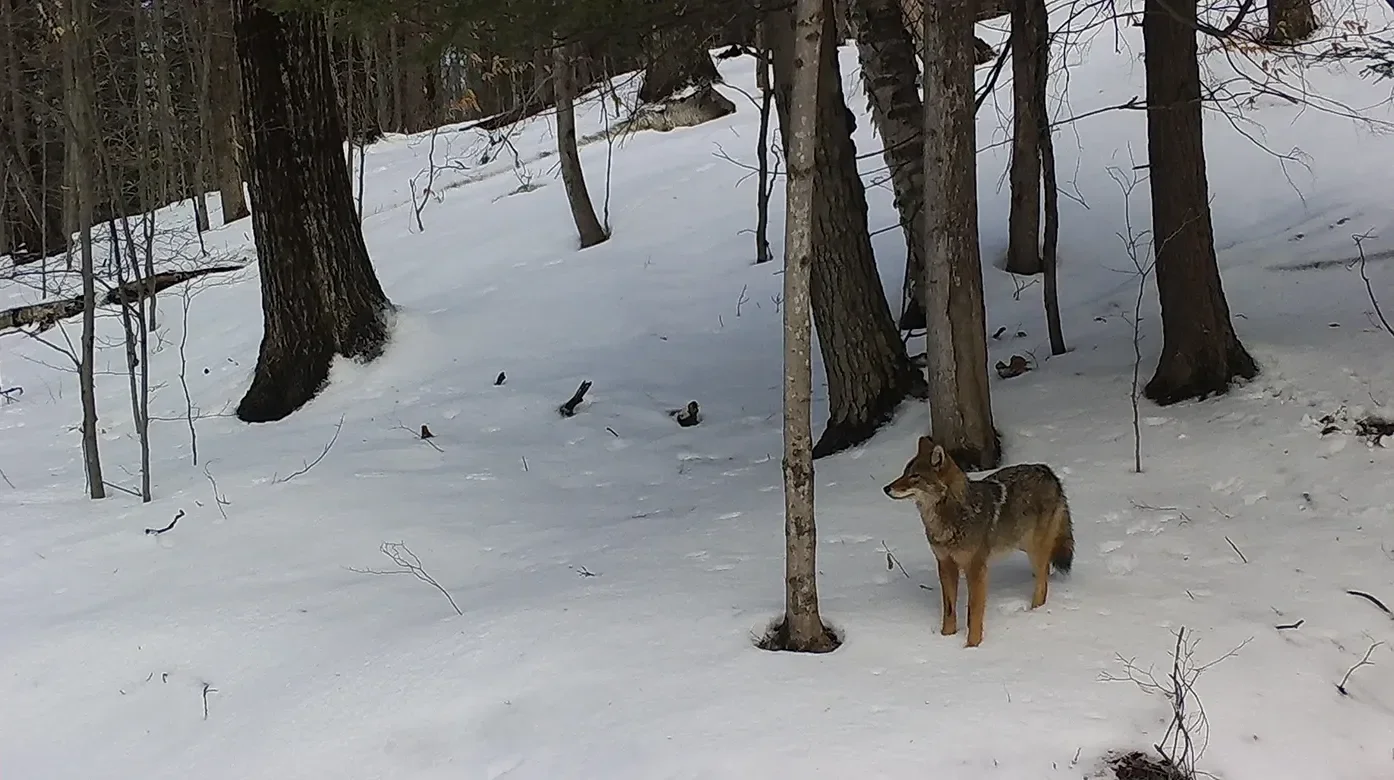
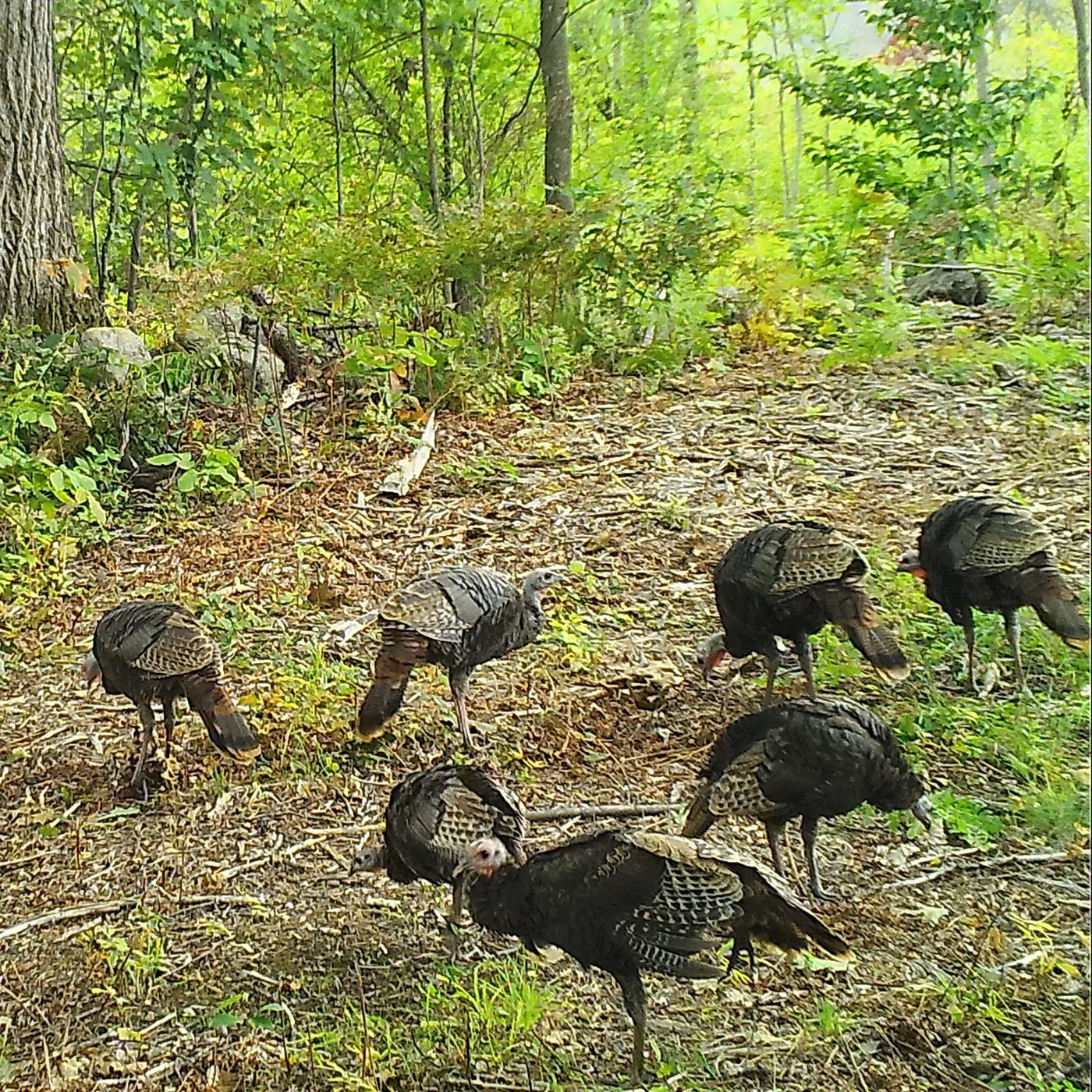
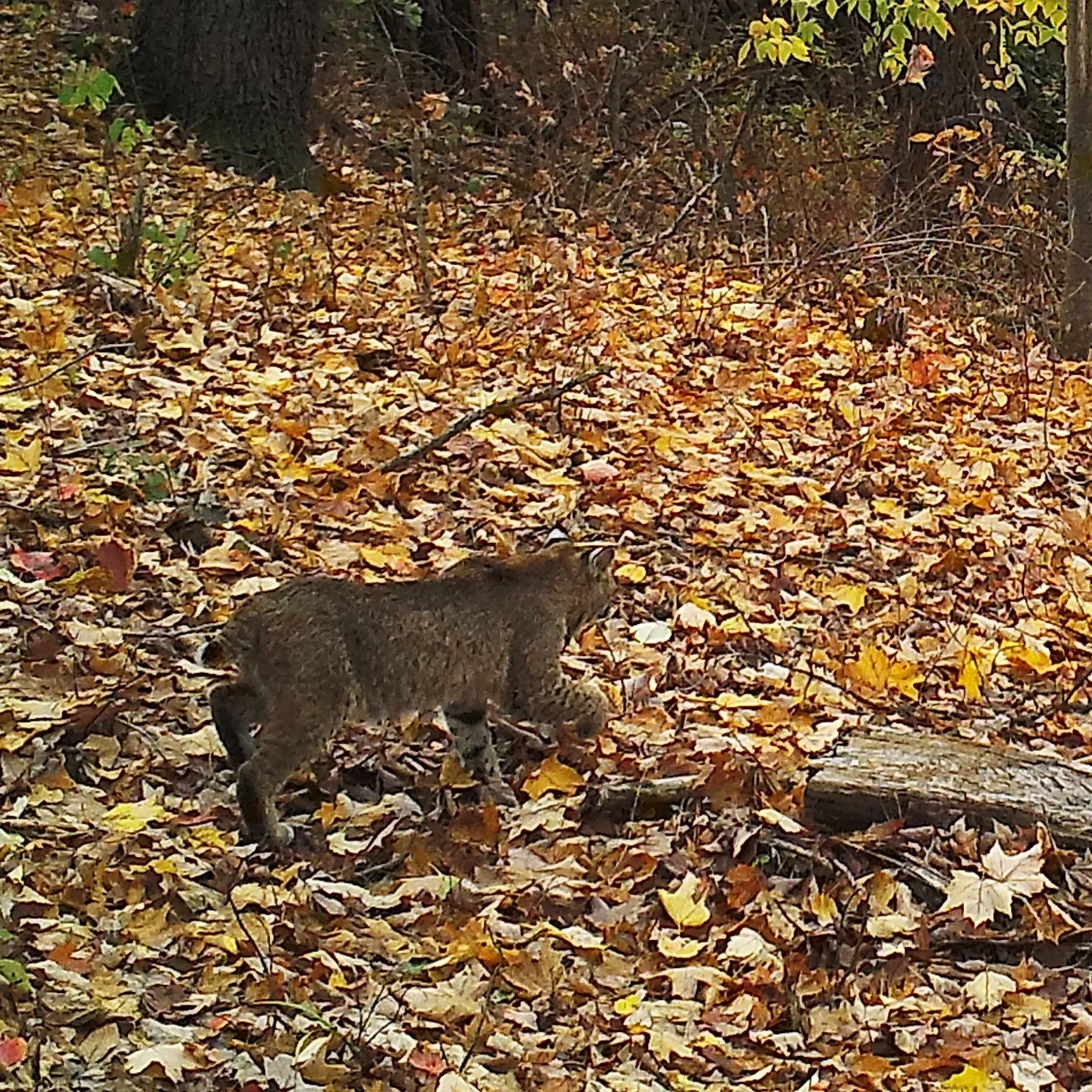
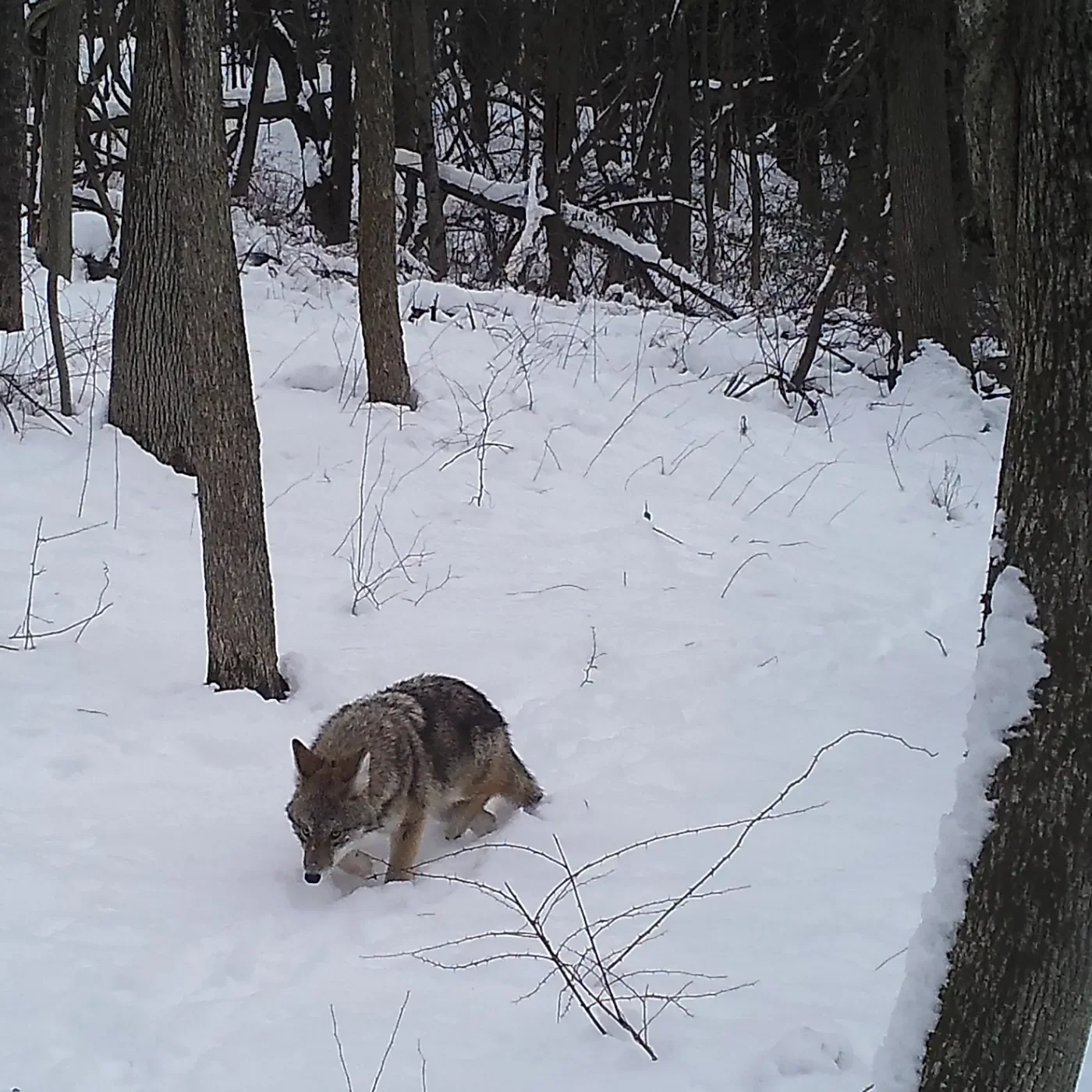
Throughout the property there are trail cameras set up to capture photos of the wildlife that are making Reservoir Woods an essential part of their habitat. Many sightings include white tailed deer, red and gray fox and turkey along with opossum, racoon, bobcat, coyote, black bear, otter, mink and occasionally moose! We are working to catalog and organize the images of these animals with the intention of making the data available for future research.

Nursery & Plantings
Nursery
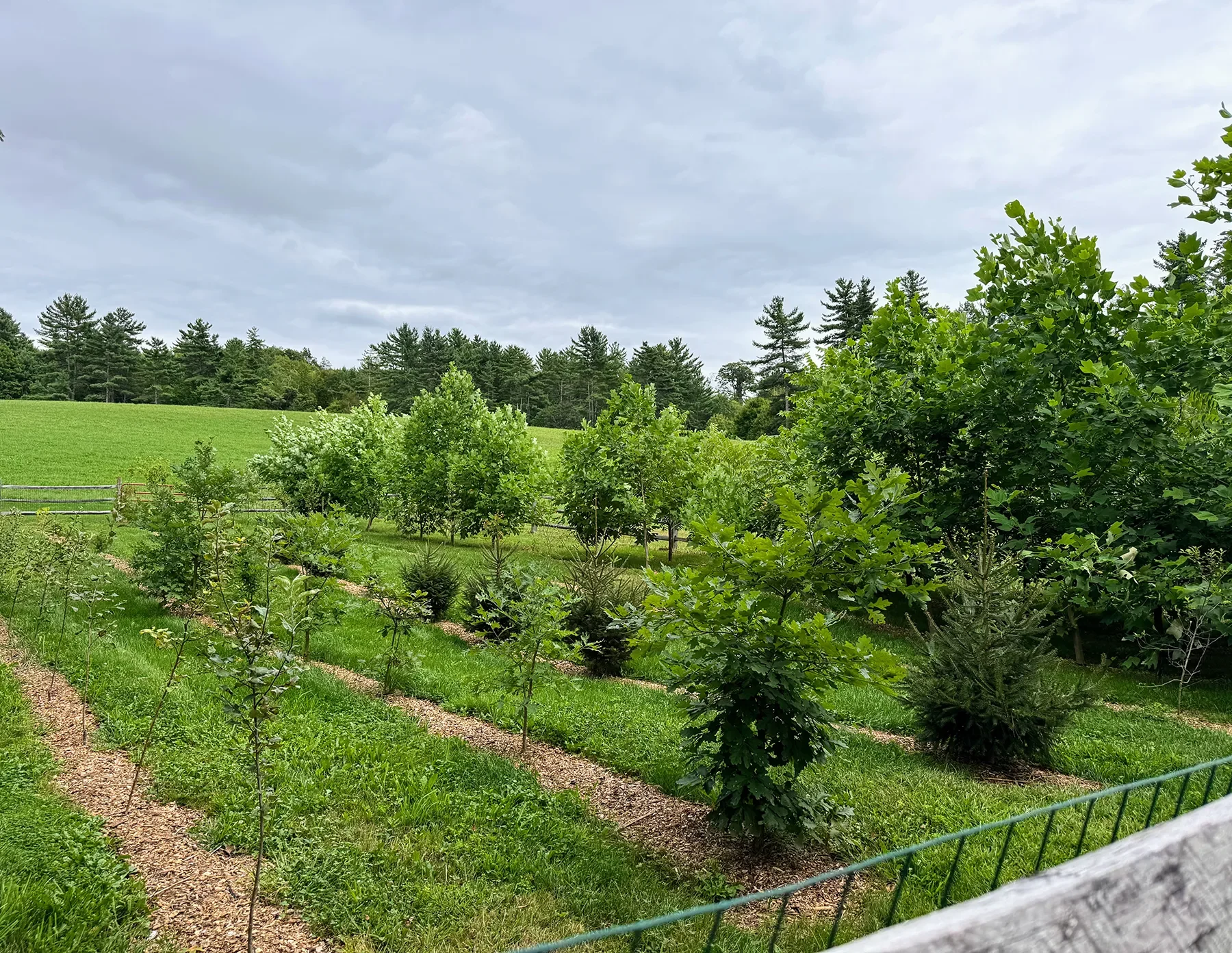
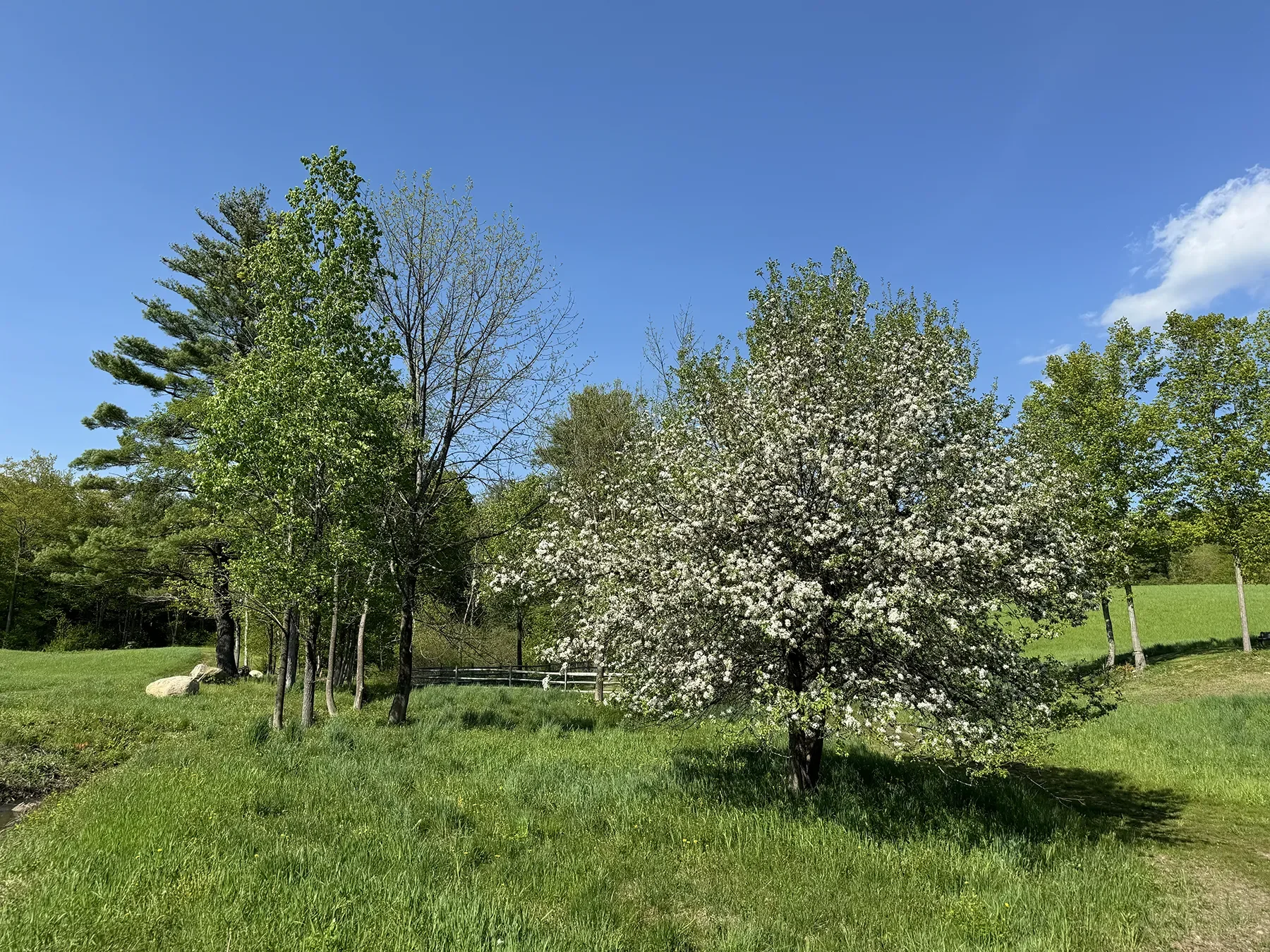
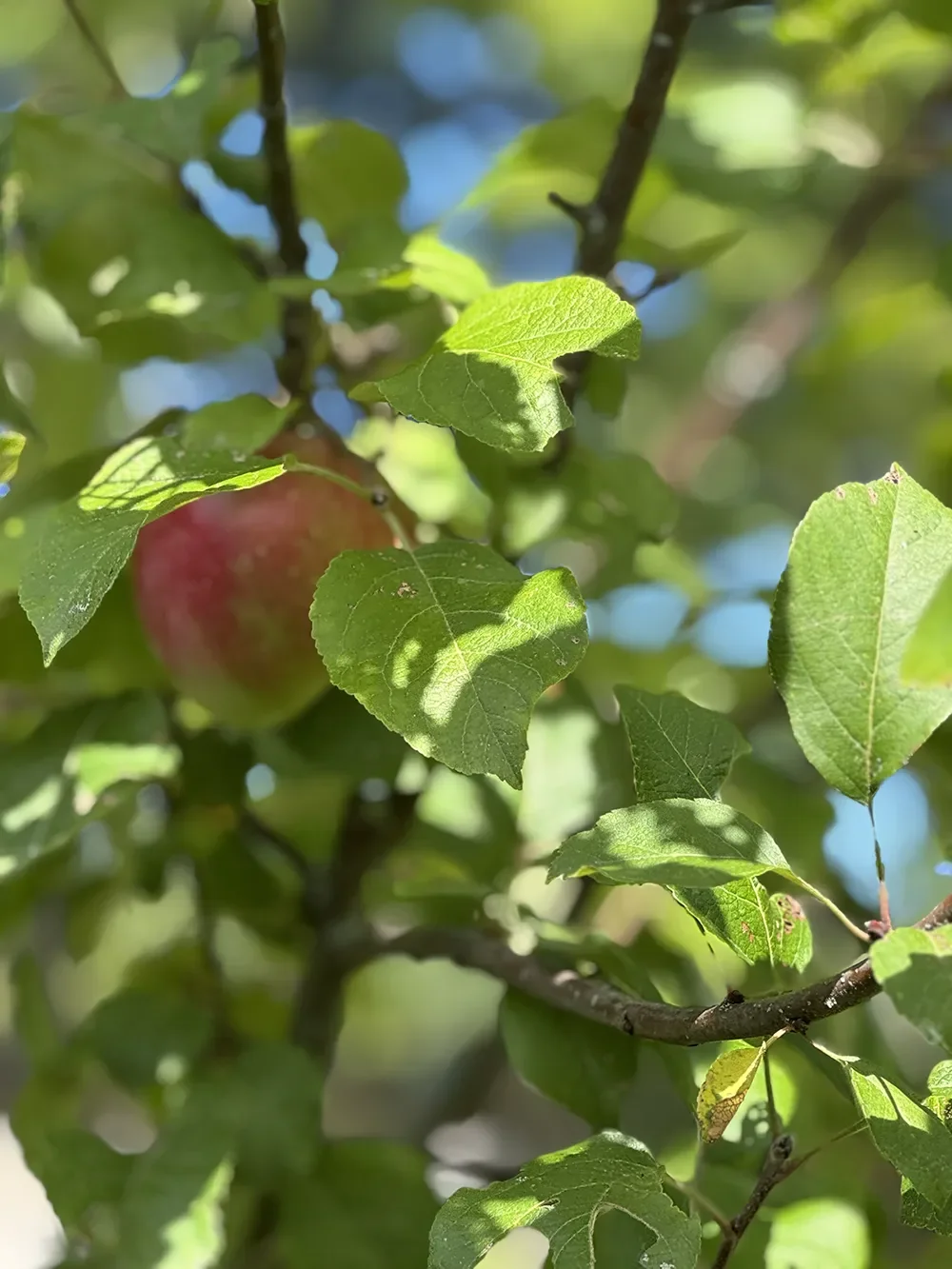
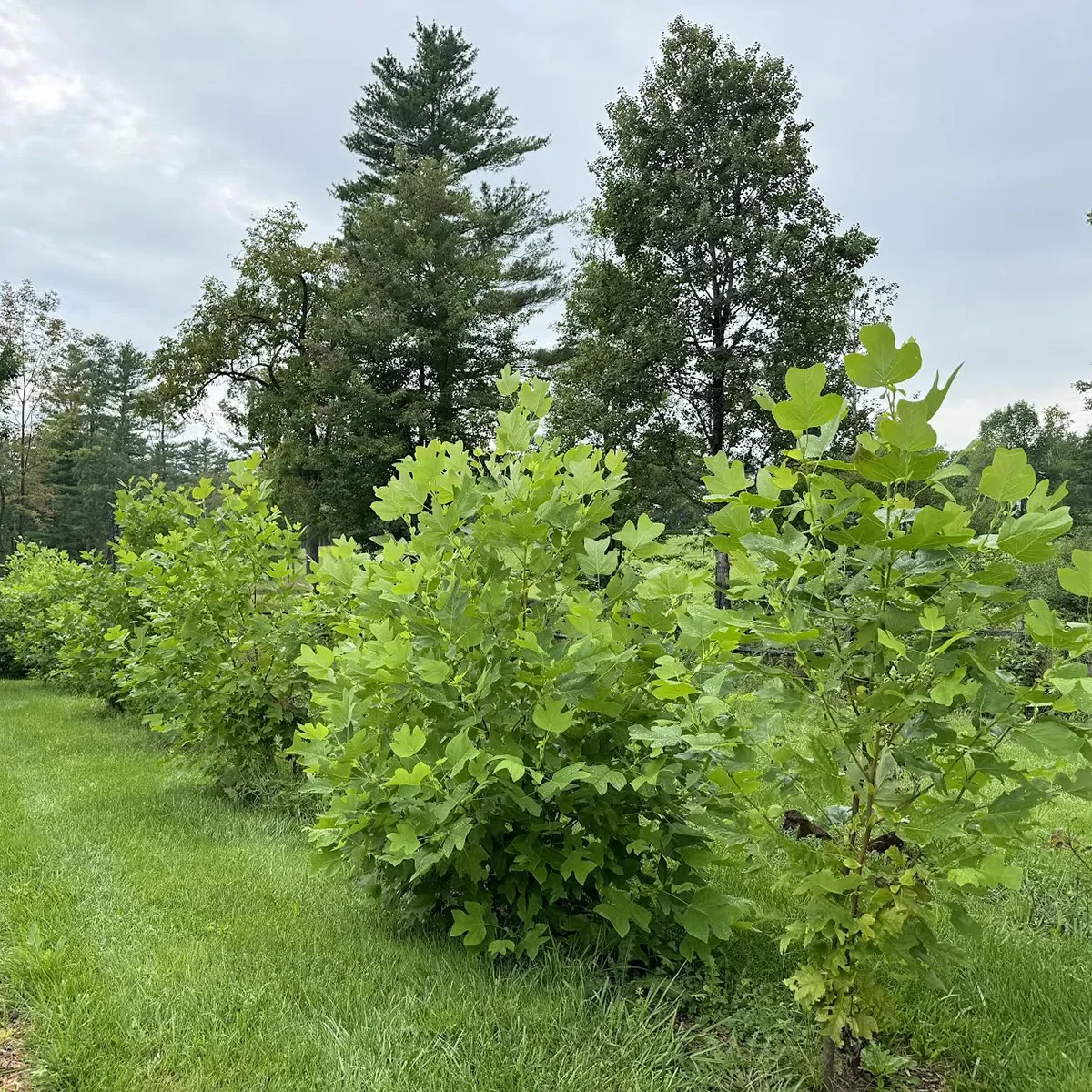
Within the property, a designated area has been created as a nursery in which to cultivate future species of trees. These trees will be transplanted into the larger landscape that will contribute to the food resources for wildlife, both seeds and blossoms and hard and soft mast. We focus on trees that will create and enrich a range of quality habitats for a variety of species, encouraging biodiversity. A favorite tree species is the apple, for its blossoms, sap and fruit. Many bird species benefit from this food source including orioles, woodpeckers, ruffed grouse and purple finch. The sap wells made by the yellow bellied sapsucker provide sap for hummingbirds and insects. The cedar waxwing benefits from eating the blossoms. Many mammals love apples as a food source in the colder months.
This year we planted 16 apple trees around the edges of the fields and streams that had been cultivated within the nursery. Sixteen new replacement apple tree whips were planted back into the nursery. Among the other trees in the nursery are red and white oak, norway spruce, black walnut, tulip poplar, balsam fir, american basswood and bitternut hickory.
Shrub and tree enrichment
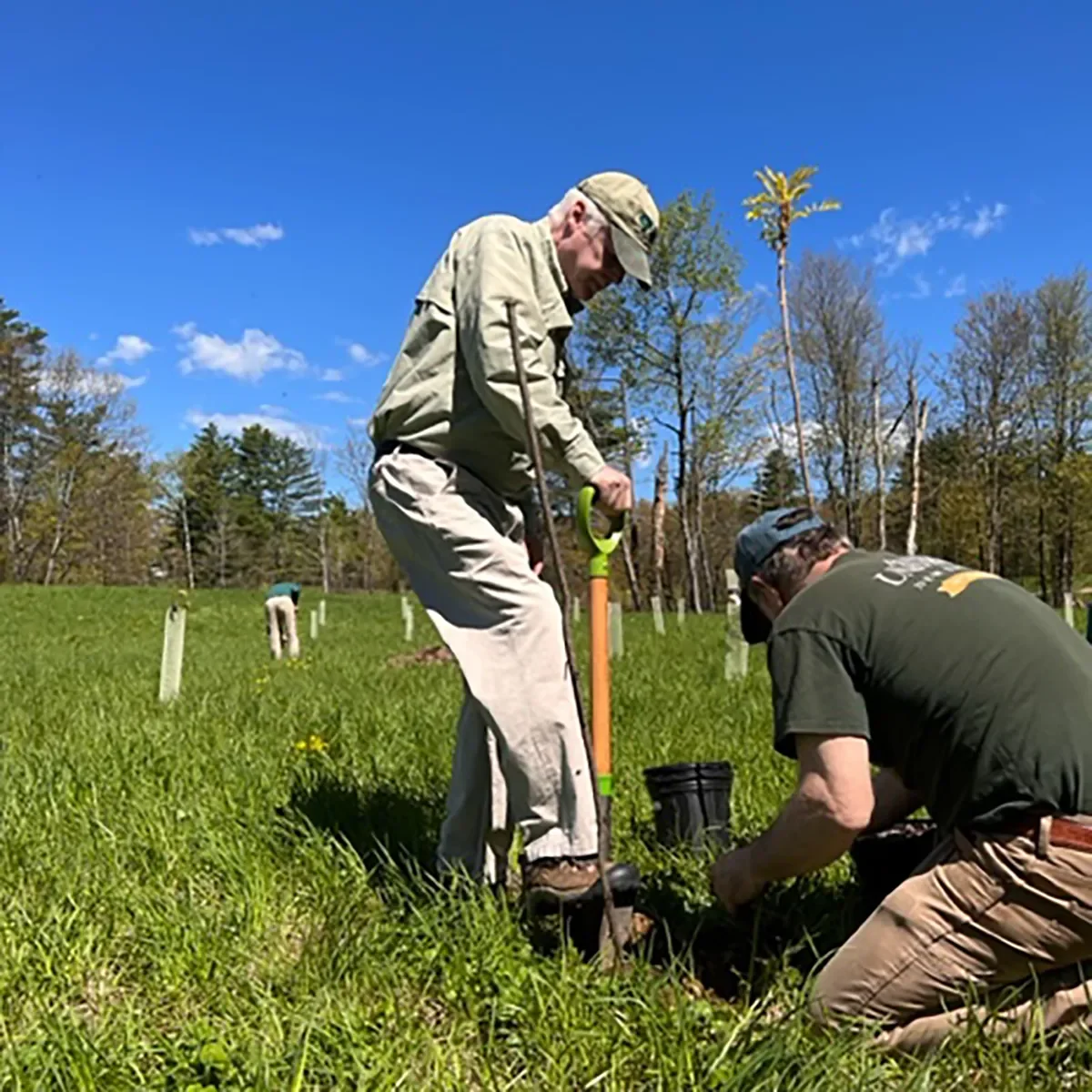
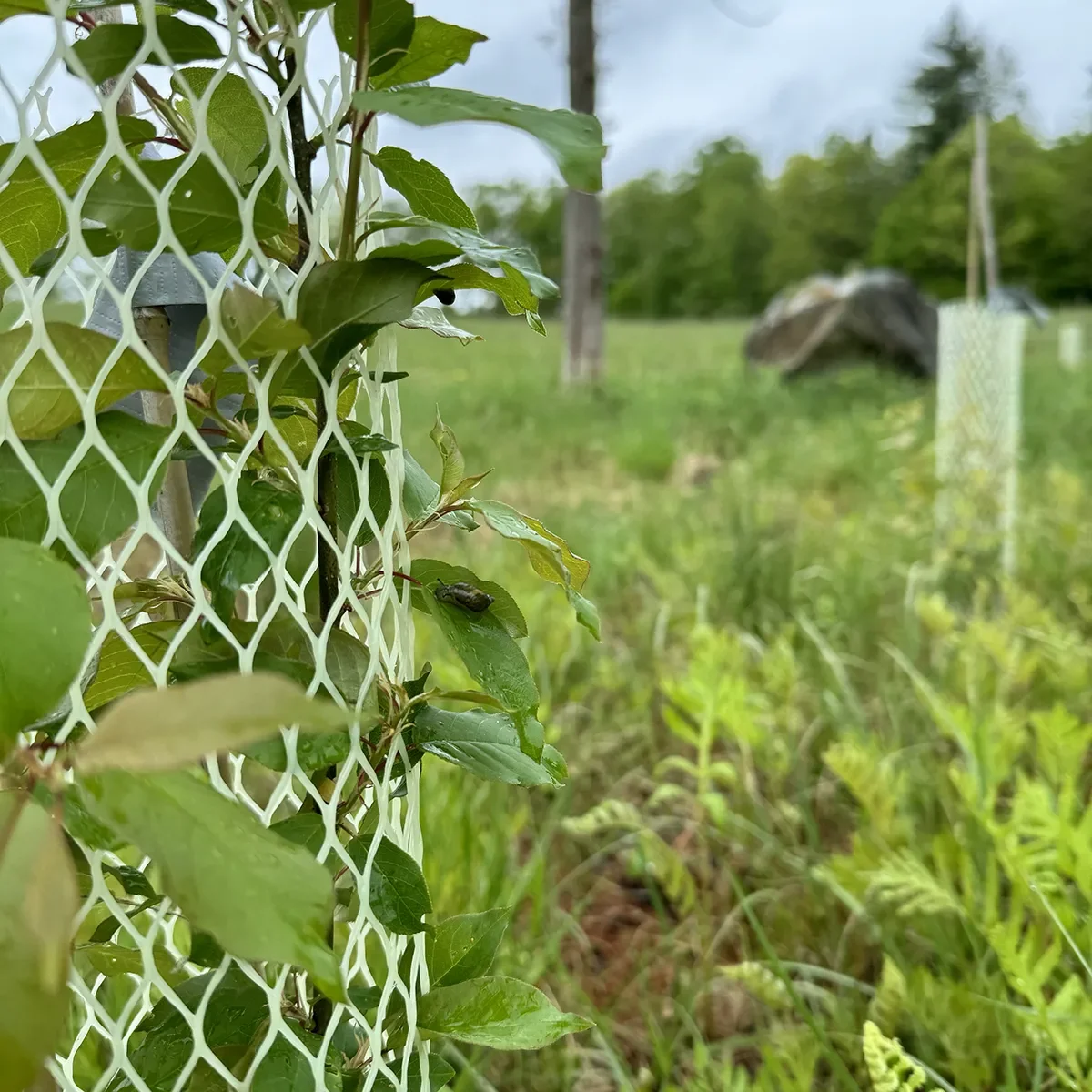
A large-scale native shrub and tree planting, organized by an Antioch grad student, was implemented in spring of 2023. Board members, Antioch students and friends gathered together to successfully plant 230 young whips, or saplings, each protected from deer browse with their own mesh sleeve. The plantings are located in the southern field, divided into 3 separate plots and along both sides of the seasonal stream.
Each plant throughout the growing months was cared for, watered and given a biodegradable weed barrier to aid in its health and continued growth. In late August, each plant is measured and the data collected is compiled into a spreadsheet that we add to every year.
The plantings will provide food, nest sites and shelter for a number of species and additional stabilization and shade for the streambed.
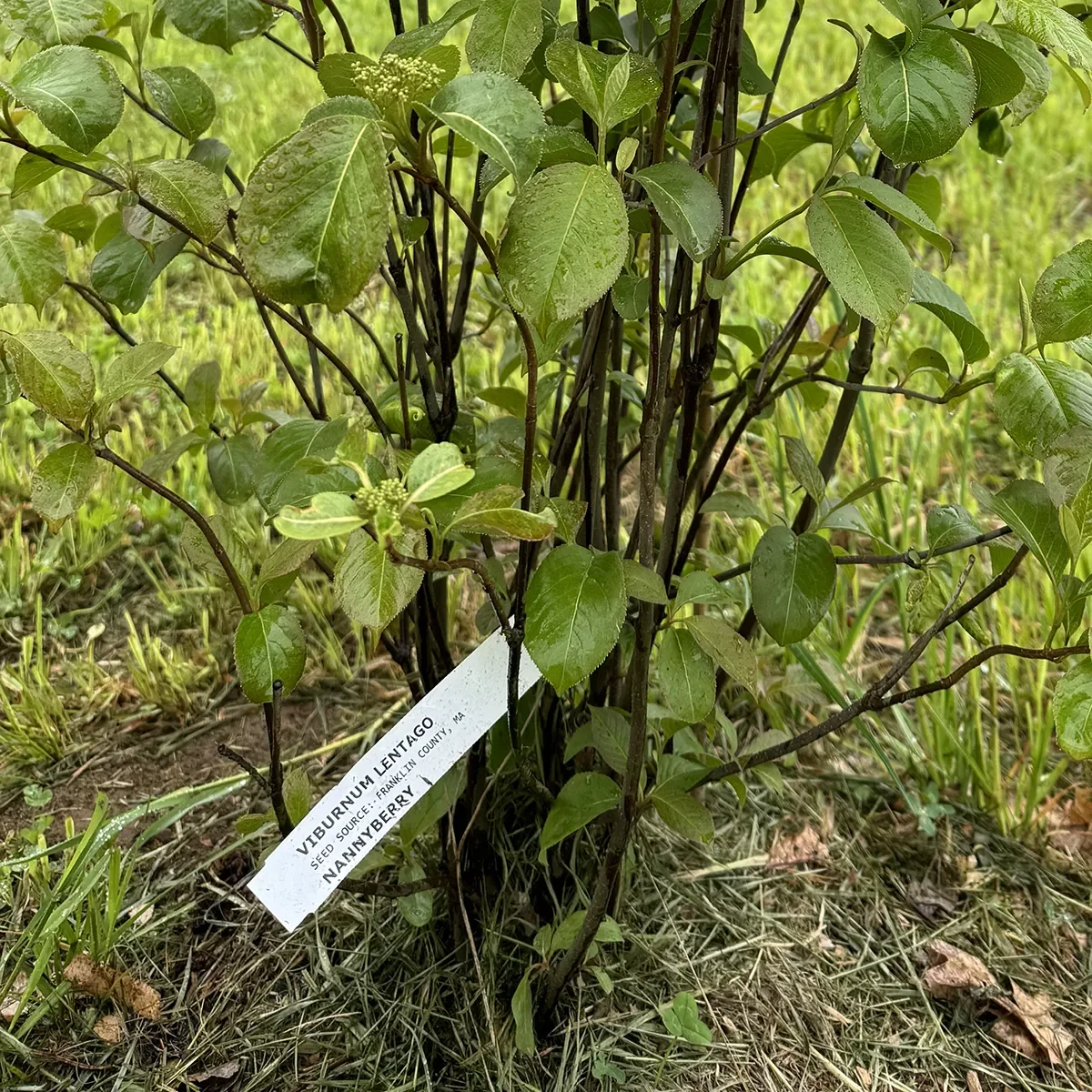
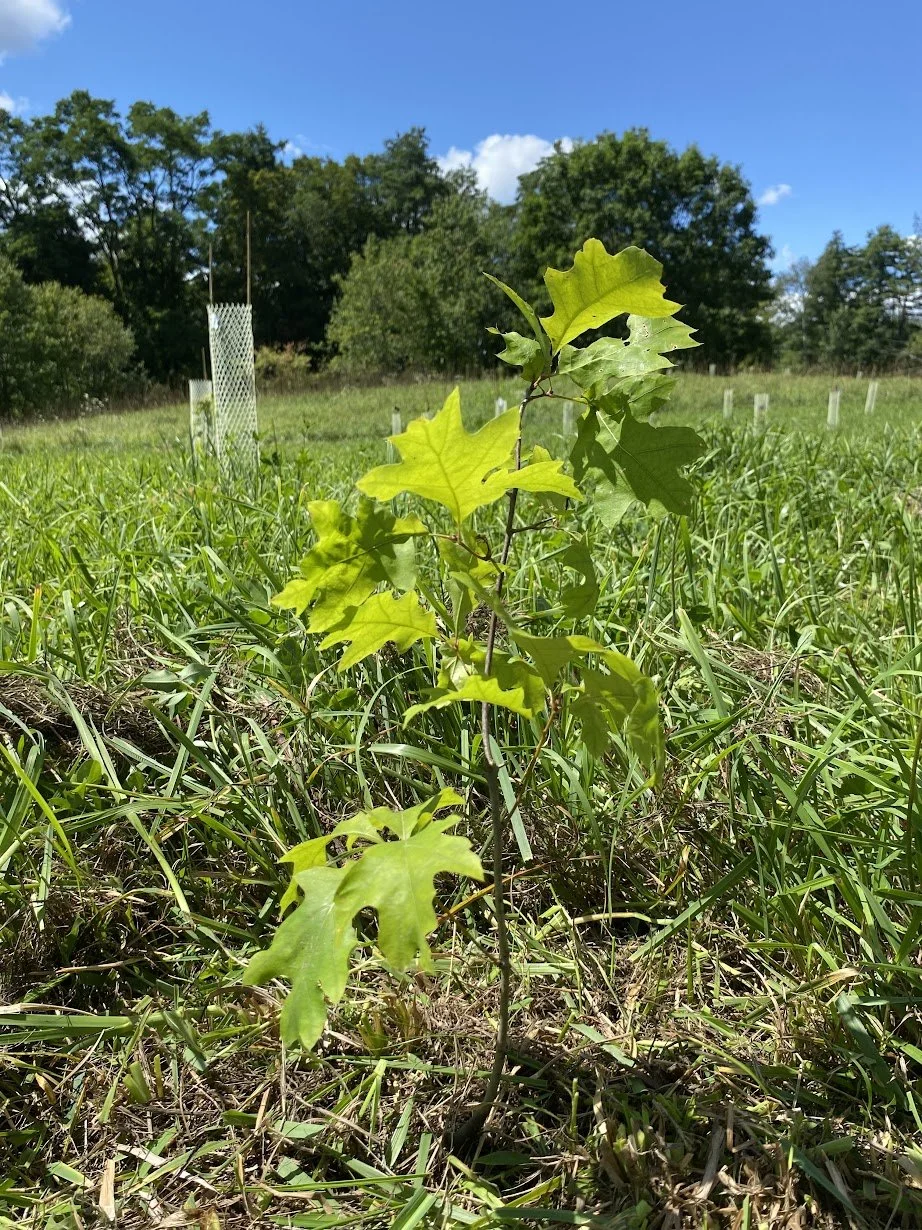
A list of the trees and shrubs planted in 2023
10 hazelnut
52 dogwoods including red osier, alternate leaf, silky, yellow osier and gray
25 red oak
10 scarlet oak
9 black willow
11 buttonbush
12 chokecherry
10 elderberry
10 paper birch
10 serviceberry
19 winterberry
10 sugar maple
12 blueberry (high and low bush)
7 black gum/tupelo
2 smooth serviceberry
4 black elderberry
7 red elderberry
5 staghorn sumac
5 nannyberry
5 bayberry
Pollinators &
Pollinator Habitat
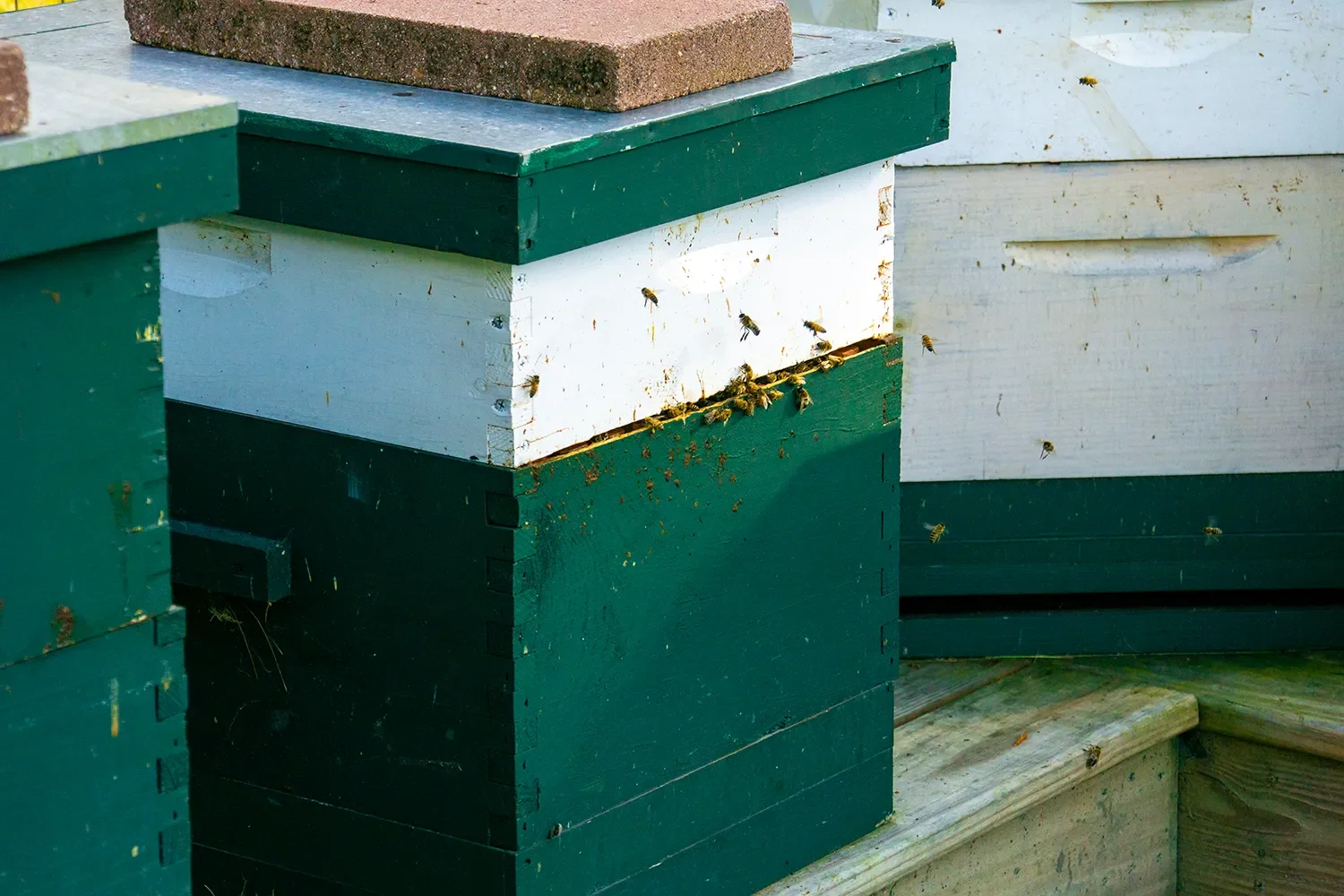
Pollinators are an essential part of sustaining the healthy ecosystems at Reservoir Woods.
In June of 2019, a local beekeeper started keeping honey bees and hives in a small enclosure built by the pond. Each of the hives housed 30,000 - 60,000 bees. Unfortunately, a bear destroyed two of the hives in 2022. A new enclosure with higher fencing was built in a new full-sun location where a dozen new beehives were installed. Since then, the health of the bees has increased as well as survivorship.
In 2022 with sustainable wildlife practices in mind, we increased the diversity of the flowering plants by establishing a pollinator habitat in a meadow surrounding the beehives.
The Cheshire County Conservation District advised us on the different methods of organic site preparation. With help from the Xerces Society, we were given recommendations on a wildflower full-sun seed mix. They also included a list of the ecological gains of the various plant species that support an array of pollinators including butterflies, moths, flies, wasps, fireflies and hummingbirds!
The mix of seeds included little bluestem, sundrops, wild bergamot, wild oxeye sunflower, golden alexanders and new england asters among many others.
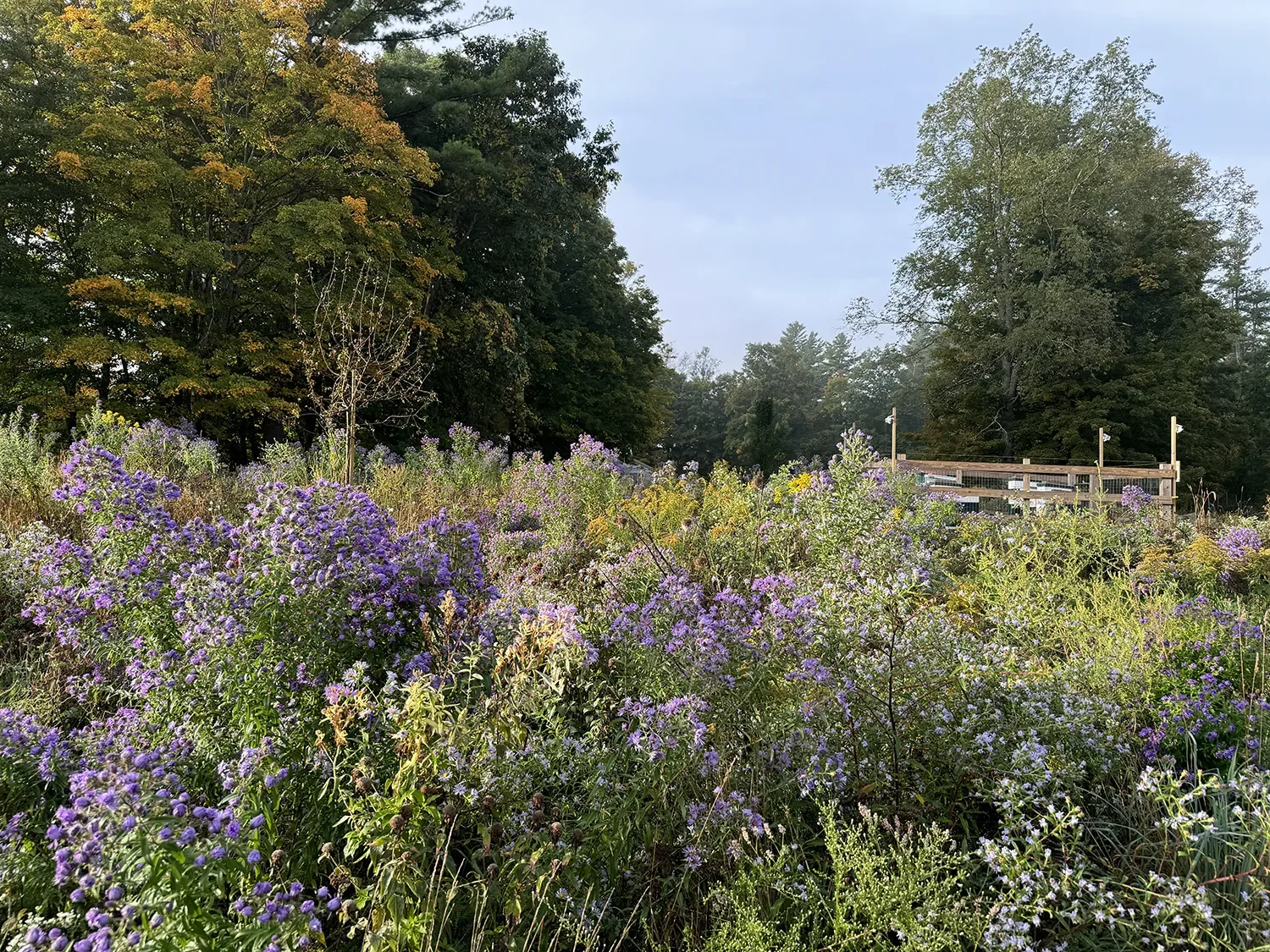
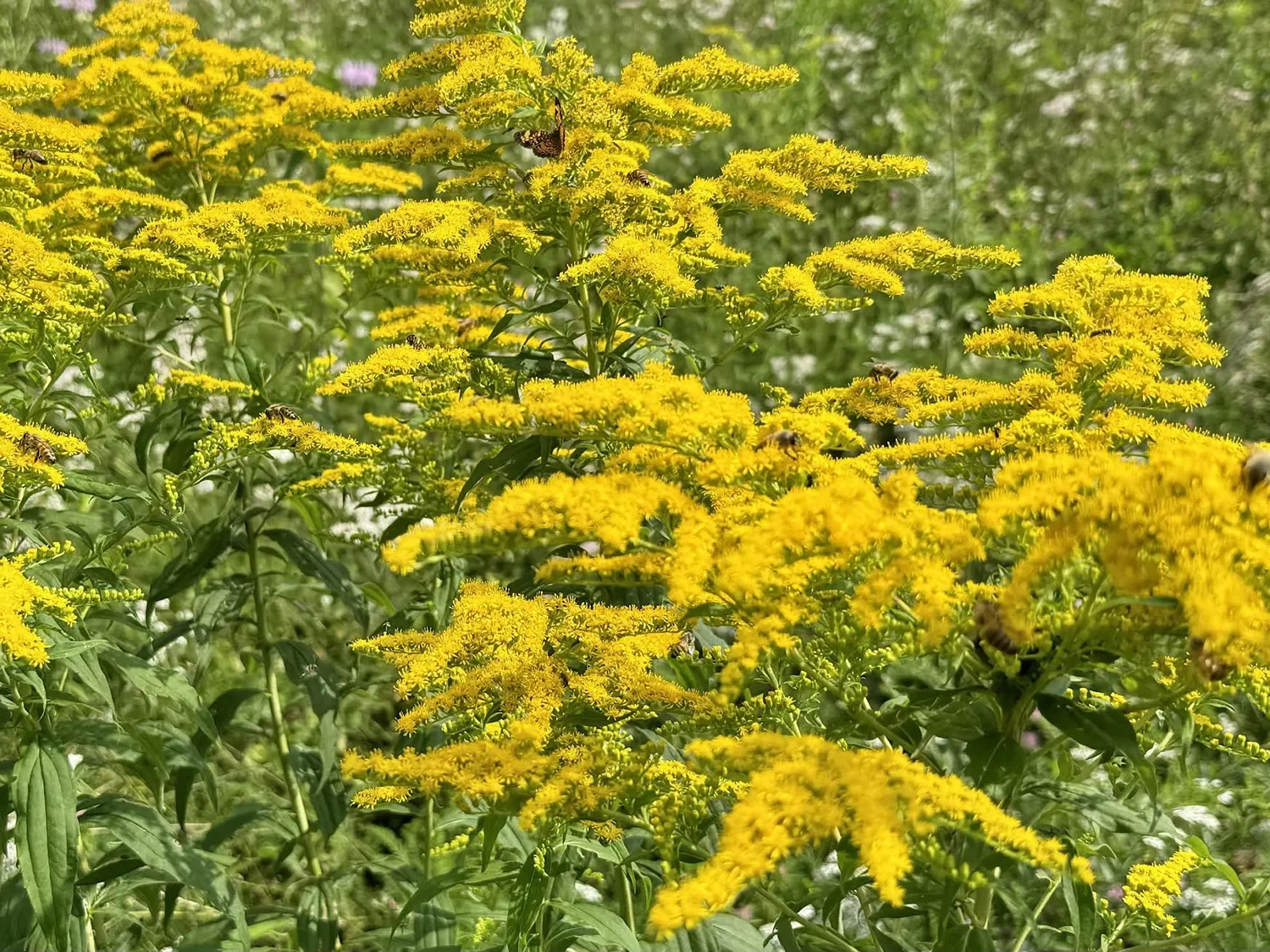
Two years later in the spring of 2024, we planted three apple trees in the wildflower meadow surrounding the bee enclosure to add to the early spring bloom. The fruit, blossoms and sap will provide a food source for many bird and mammal species.
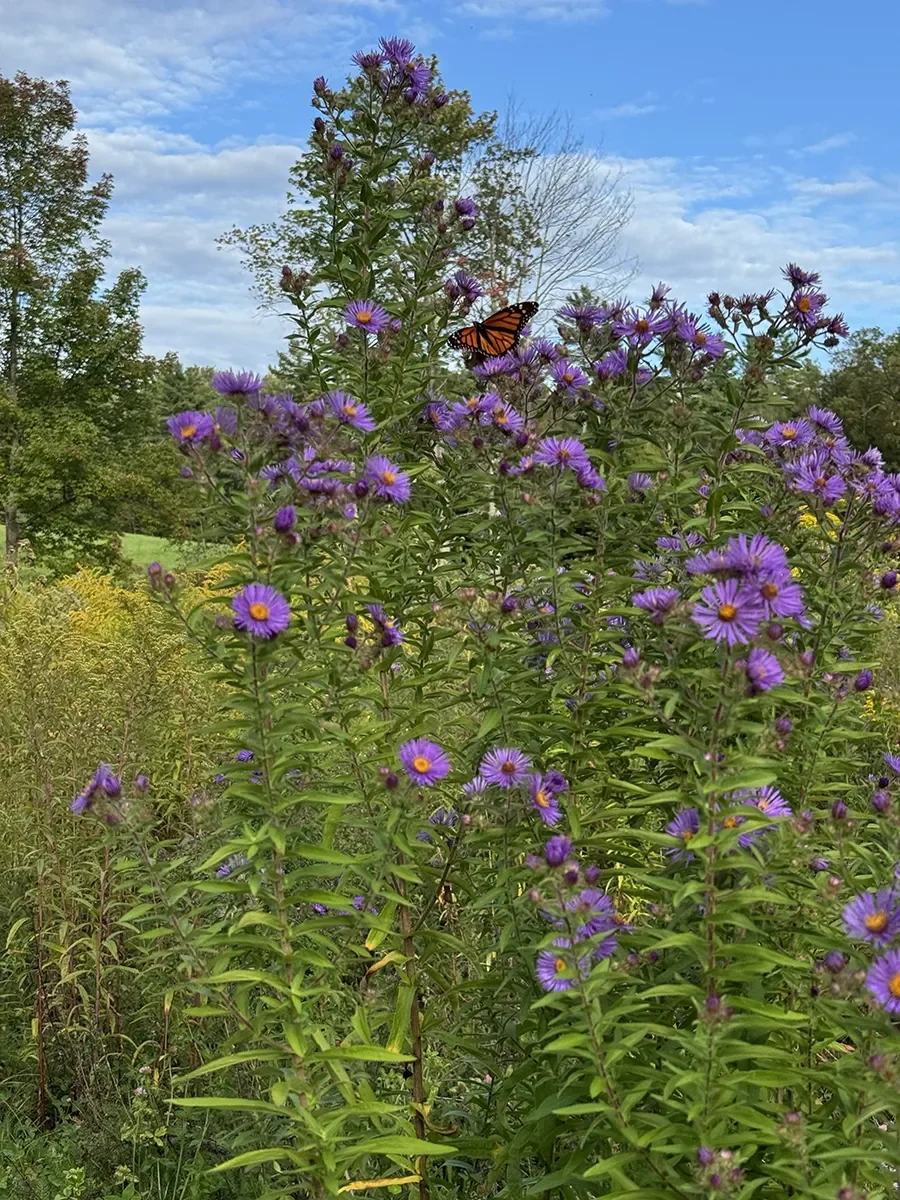
In the summer and fall of 2024, we noticed an increase in the various blooms in the meadow, especially the deep purple asters.
That same year, our resident beekeeper noticed a boost in the production of honey he harvested as well as the health and higher numbers of survivorship of the honey bees.